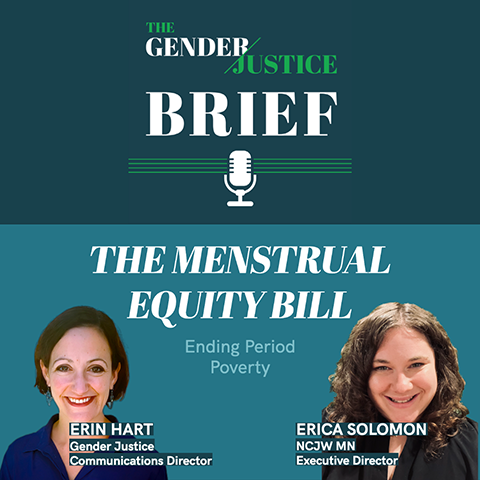
In the annals of legislative triumphs, few victories resonate as deeply—or as universally—as those that dismantle the silent barriers of shame and stigma. Menstrual equity, a term once confined to whispered conversations in feminist circles, has now clawed its way into the marble halls of power, where policies are forged and futures are decided. The ripple effect of one determined lawmaker’s crusade has transformed classrooms from sites of exclusion into sanctuaries of dignity. This is the story of how a single act of defiance became a blueprint for change, and how other states, emboldened by its success, followed suit.
The Spark That Lit the Fire: A Legislator’s Radical Vision
It began not with a bang, but with the quiet urgency of a question: *Why are we still treating menstruation like a secret?* The answer, of course, lay in centuries of patriarchal conditioning, where the natural functions of half the population were relegated to the shadows. But when one lawmaker—armed with data, empathy, and an unshakable resolve—introduced a bill mandating free menstrual products in schools, she didn’t just propose a policy. She declared war on the systemic neglect that had left generations of students bleeding through makeshift solutions or skipping class altogether.
The legislation wasn’t just about tampons and pads. It was about dismantling the myth that poverty and period poverty were unrelated. It was about recognizing that a student’s ability to focus in math class shouldn’t hinge on whether they could afford a $5 box of tampons. And it was about refusing to accept that a young person’s dignity should be bartered for basic hygiene. The bill passed. The first domino had fallen.

From Policy to Practice: The Nuts and Bolts of Implementation
Legislation, no matter how groundbreaking, is only as powerful as its execution. The real magic happened in the trenches—where school districts, often resistant to change, were forced to confront their own complicity in the status quo. Suddenly, janitorial closets became stocked with supplies. Bathrooms, once devoid of disposal bins, now bore discreet but unmistakable signs: *Free menstrual products here.* Teachers, trained in sensitivity, stopped treating periods like a disciplinary issue and started treating them like what they are: a biological reality.
But implementation wasn’t seamless. Some districts dragged their feet, citing budget constraints or “cultural concerns.” Others attempted to water down the law, replacing “free” with “available at cost” or restricting access to certain grades. The backlash was swift. Activists mobilized. Students testified. The media amplified the stories of those who had been failed by the system. Slowly, the resistance crumbled. The law wasn’t just a piece of paper anymore—it was a living, breathing commitment to equity.
The Domino Effect: How Other States Joined the Revolution
Legislative victories are contagious. Once one state proved that menstrual equity wasn’t a utopian fantasy but a tangible, achievable goal, the floodgates opened. States that had previously dismissed the issue as “not a priority” suddenly found themselves scrambling to keep up. Some passed identical laws. Others went further, expanding access to prisons, shelters, and even public parks. The movement wasn’t just about schools anymore—it was about erasing the boundaries between who deserves dignity and who doesn’t.
Yet, the spread of these policies wasn’t uniform. In conservative strongholds, debates raged over whether such laws were “encouraging” menstruation or “normalizing” it. In progressive enclaves, the fight shifted to ensuring that the products provided were of high quality—no more cheap, irritating brands that did more harm than good. The lesson? Equity isn’t a one-size-fits-all endeavor. It requires constant vigilance, adaptation, and an unwavering refusal to accept half-measures.

The Human Cost of Delay: Stories That Demand Action
Behind every statistic—3 in 10 students struggling to afford menstrual products, 1 in 5 missing school during their period—are faces. A 16-year-old in Ohio who resorted to using socks when she couldn’t afford tampons. A 14-year-old in Texas who fainted in class because she was too embarrassed to ask for help. A 12-year-old in New York who scribbled a desperate note to her teacher: *“Please, I need pads.”*
These aren’t isolated incidents. They’re symptoms of a society that has, for too long, treated menstruation as a personal failing rather than a shared responsibility. The laws that followed the original breakthrough didn’t just allocate funds—they saved lives. They kept students in classrooms. They prevented infections from improper hygiene. They gave young people the unspoken permission to exist without shame. And yet, for every story of progress, there are still thousands untold—waiting for the day when their legislature finally listens.
The Cultural Shift: From Shame to Solidarity
Perhaps the most profound change wrought by these laws wasn’t logistical—it was cultural. For generations, periods were whispered about in hushed tones, if they were discussed at all. Now, they’re on the agenda of school board meetings. They’re debated in statehouses. They’re normalized in conversations between parents and children. The stigma didn’t vanish overnight, but it was dealt a body blow. Young people, especially girls and nonbinary students, began to see their bodies not as burdens but as part of a collective experience.
This shift extended beyond schools. Workplaces started offering menstrual leave. Public restrooms installed dispensers. Even the language around menstruation softened—no more euphemisms like “that time of the month” or “the curse.” The movement had moved from the margins to the mainstream, and in doing so, it had rewritten the rules of what was considered acceptable to discuss—and demand.
The Road Ahead: What’s Next for Menstrual Equity?
The fight isn’t over. Far from it. While some states have made strides, others remain stubbornly resistant. The federal government has yet to pass a nationwide mandate, leaving millions vulnerable to the whims of local politics. And even in progressive states, enforcement is inconsistent. Some schools treat menstrual products like contraband, locking them away or making students jump through bureaucratic hoops to access them.
But the momentum is undeniable. The original legislation proved that change is possible when people refuse to accept the unacceptable. The question now is: What’s the next frontier? Will we see menstrual products in homeless shelters? In refugee camps? In the hands of incarcerated individuals? Will we finally acknowledge that menstrual equity isn’t a niche issue but a cornerstone of human rights? The answers lie in the hands of those who are willing to keep pushing—until no one has to choose between their health and their education.









Leave a Comment