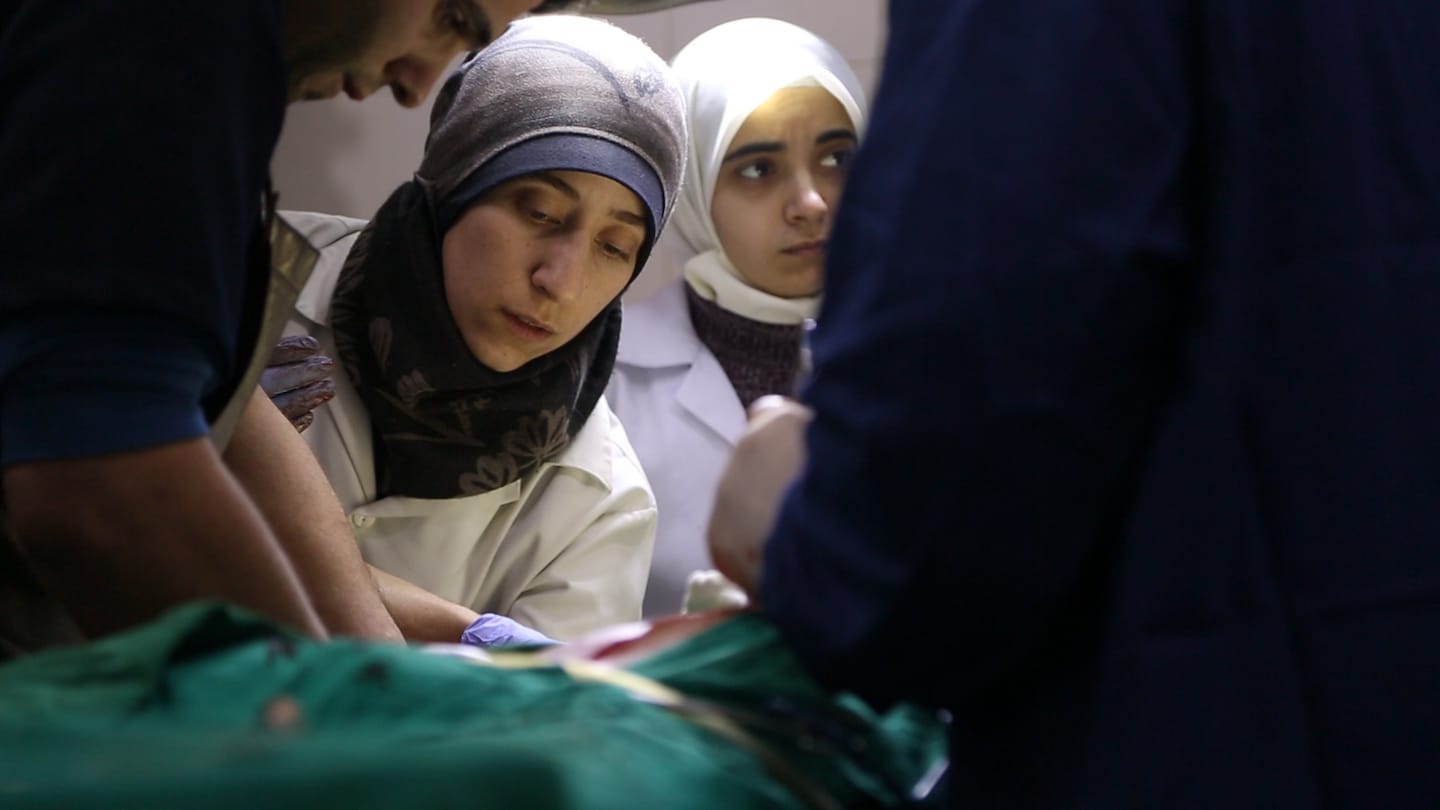
In the heart of a country shattered by war, where the echoes of artillery once drowned out the cries of newborns, a single act of defiance emerged—not with bullets, but with scalpels. A woman, whose name history might forget but whose legacy will not, dared to stitch together not just wounds, but futures. She built a women’s hospital in war-torn Syria. And the question lingers, like a whispered secret in the ruins: What happens when the world burns, but women refuse to let the light go out?
The Spark in the Ashes: A Vision Born from Ruin
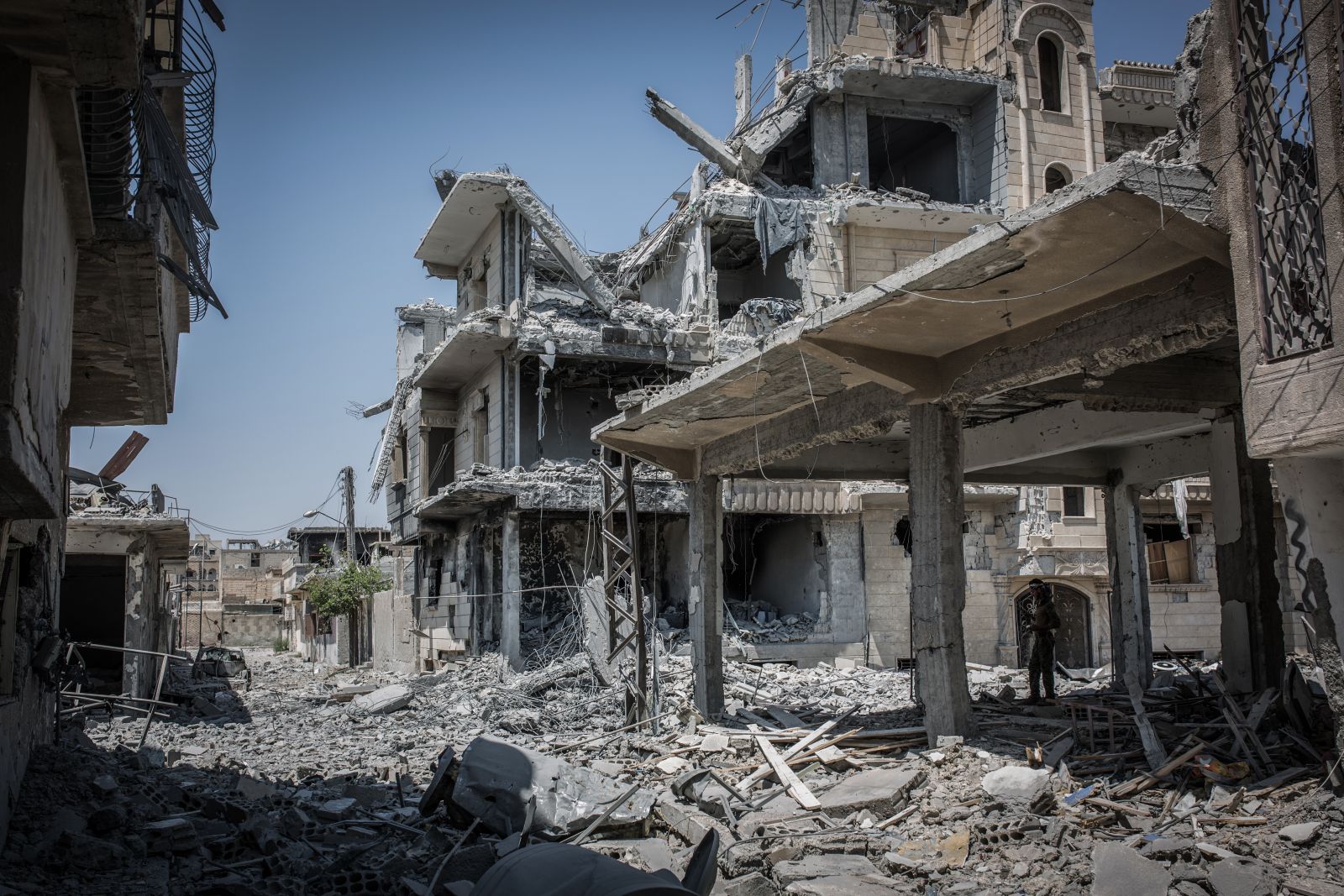
Imagine a landscape where the sky is not blue, but the color of smoke and sorrow. Where hospitals are not places of healing, but targets of war. Where women, already bearing the weight of displacement, must give birth in basements or tents, their bodies trembling not just from labor, but from the fear of what comes next. This was Syria—not long ago, and still, in places, today. Yet, in the midst of this desolation, a woman named Dr. Amani saw something others missed: not just destruction, but possibility. Not just absence, but the space to create.
She didn’t wait for permission. She didn’t wait for aid to arrive. She began with a sketch on the back of a napkin—four walls, a roof, a promise. She rallied a team of midwives, nurses, and engineers who had lost everything but refused to lose hope. They scavenged for supplies: generators from abandoned clinics, beds from collapsed schools, antibiotics smuggled across borders in backpacks. The hospital wasn’t built with concrete and steel alone—it was built with stubbornness, with love, with the quiet fury of women who refused to be erased.
The First Breath: When Medicine Meets Defiance
The day the hospital opened, the air smelled of antiseptic and gunpowder. The first patient was a young mother, her labor pains sharp against the backdrop of distant explosions. The staff worked in shifts, their hands steady despite the tremors in their chests. No epidurals. No incubators. Just determination, and a makeshift delivery room where a single lamp flickered like a stubborn star.
They delivered a baby girl. The mother named her “Amal”—hope—in a language that has known too little of it. That child, born in the crucible of war, became a symbol. Not just of survival, but of resistance. Every time a woman walked through those doors, she carried more than a pregnancy—she carried a challenge to the idea that war should dictate who lives and who dies.
But here’s the twist: the hospital didn’t just save lives. It redefined them. Women who had never held a newborn without fear now cradled their children in rooms painted sky-blue, with murals of olive branches on the walls. Midwives who had delivered babies in bomb shelters now taught prenatal classes. The hospital became a sanctuary, yes—but also a classroom, a courtroom, a whisper network of survival.
The Unseen Battle: When Compassion Meets the Machine Gun
Of course, the challenges were not just logistical. They were existential. Every delivery was a gamble. Every supply run was a risk. The hospital’s location—chosen for its relative safety—was still within mortar range. One night, a shell landed a kilometer away. The windows shattered. The generator died. The mothers screamed—not from pain, but from terror. The staff didn’t run. They lit candles. They sang lullabies. They turned fear into fuel.
But the real war wasn’t outside. It was inside the minds of the women themselves. Many had been told their bodies were not their own—by husbands, by tradition, by the cruel arithmetic of war. Some arrived with stories of rape, of forced marriages, of being treated as collateral damage. The hospital didn’t just heal wounds—it began to dismantle the belief that women’s pain was inevitable.
Yet, even here, the patriarchy fought back. Some male relatives refused to let their wives be treated by female doctors. Others demanded dowries for “allowing” their daughters to work in the hospital. The staff had to become diplomats, educators, sometimes even protectors. They turned the hospital into a space where women could reclaim agency—not just over their bodies, but over their futures.
The Ripple Effect: How One Hospital Became a Movement
Word spread. Not through press releases, but through whispers in refugee camps, through coded messages in tea shops, through the proud gait of women walking home with their babies swaddled in donated blankets. Soon, other women began to build. Not just clinics, but schools. Not just hospitals, but cooperatives where widows could sell embroidery. Not just shelters, but networks where survivors could find each other.
The hospital became a blueprint. A manifesto. A middle finger to the idea that war should mean surrender. Dr. Amani’s team trained women from neighboring towns, who then went back to their villages and replicated the model. They didn’t wait for NGOs. They didn’t wait for peace. They built anyway.
And then came the earthquake. The ground split open, and with it, the fragile structures of survival. The hospital, still standing, became a triage center. Women who had once delivered babies now dug through rubble to pull out survivors. The same hands that had stitched up wounds now set broken bones. The cycle of destruction and defiance continued—but so did the cycle of care.
The Question We Dare Not Ignore: What If She Hadn’t Built It?
Let’s play a game of hypothetical horror. What if Dr. Amani had waited? What if she had said, “The world is too broken. I cannot fix it.” What if she had let the women of Syria become statistics in a UN report, another footnote in the annals of forgotten wars? The answer is simple: more women would have died. More babies would have been born in the dirt. More daughters would have grown up believing their lives were worth less than a bullet.
But she didn’t wait. She built. And in doing so, she posed a challenge to every one of us: If a woman can stitch together a hospital in a war zone, what excuse do we have for not building justice in our own backyards?
This isn’t just a story about Syria. It’s a story about what happens when women stop asking for permission and start taking up space. When they turn their pain into power. When they refuse to let war have the last word.
The hospital still stands. The women still come. And the world? The world is still burning. But now, in the ashes, there is light.






Leave a Comment