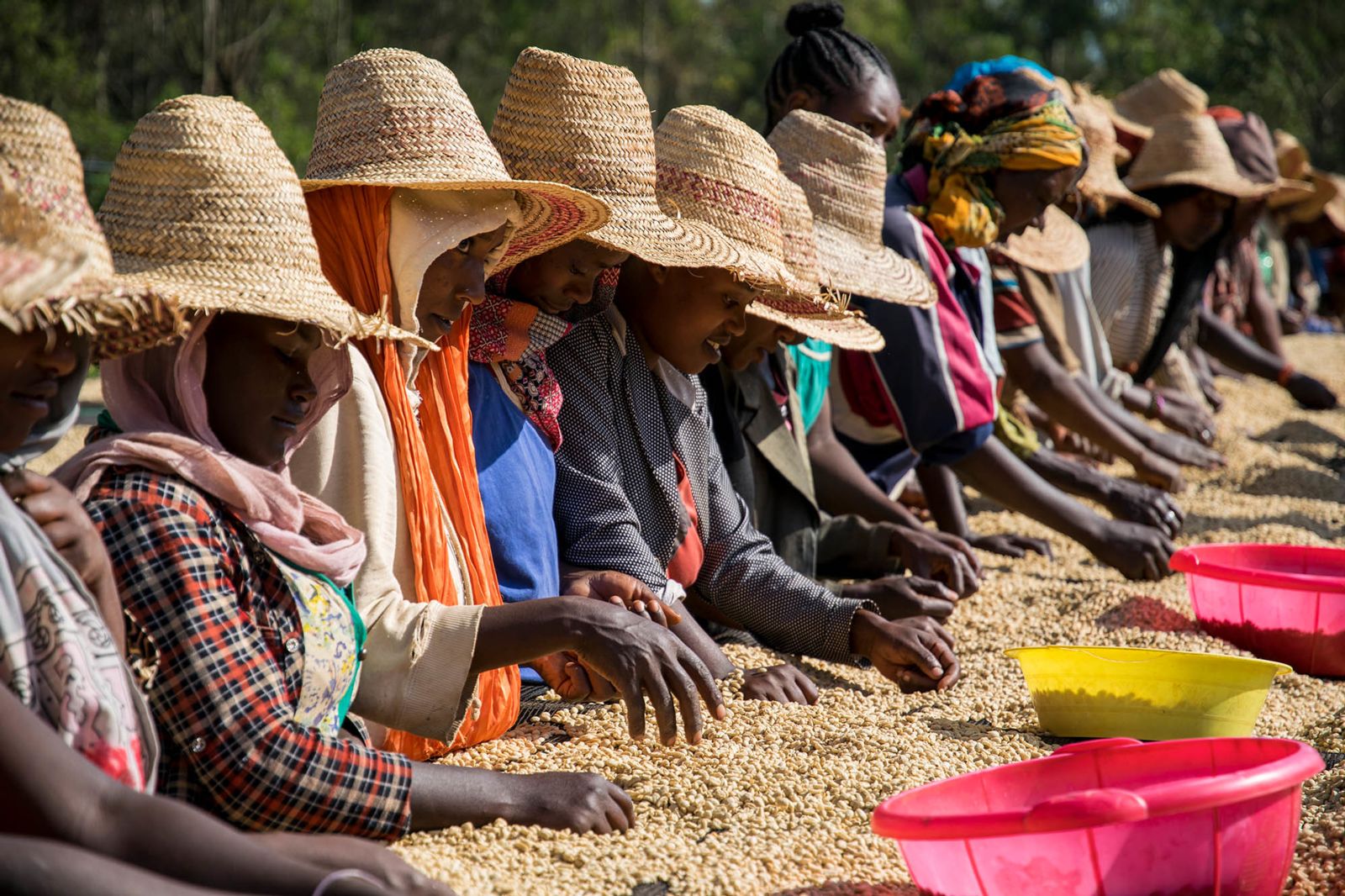
The feminist co-op isn’t just a workplace—it’s a revolution wrapped in a pay stub. In an era where corporate hierarchies stretch like corporate rubber bands, where CEOs earn 300 times more than their lowest-paid workers, and where the myth of the “self-made woman” still haunts boardrooms like a ghost of capitalism past, a quiet but seismic shift is unfolding. Women are not just demanding seats at the table. They are dismantling the table. They are building new ones. And they are inviting everyone to sit—equally, intentionally, and without apology.
The Myth of the “Boss Babe” and the Reality of Worker-Owned Power
We’ve been sold a seductive fantasy: the “boss babe,” clad in athleisure, sipping cold brew, and scaling her empire with a hashtag and a dream. She’s the Instagram avatar of neoliberal feminism—a woman who “hustles” her way to the top, who turns exploitation into empowerment by slapping a motivational quote on it. But what if the real power isn’t in becoming the boss? What if it’s in abolishing the boss altogether?
That’s the audacious gamble of the feminist co-op. It rejects the cult of the individual genius. It scoffs at the idea that success must be measured in stock options and corner offices. Instead, it asks a radical question: What if the people who do the work—the ones who clean the floors, answer the phones, design the products, care for the children—actually owned the means of production? What if the surplus value they create didn’t vanish into offshore accounts or private jets, but flowed back into their communities, their families, their futures?
This isn’t utopian dreaming. It’s happening. In warehouses and cafes, in tech collectives and childcare centers, women are forming cooperatives where every voice carries weight, every decision is collective, and every profit is shared. They are not waiting for permission. They are seizing the means of reproduction—of life, of labor, of liberation.

From Wage Slavery to Worker Sovereignty: The Alchemy of Autonomy
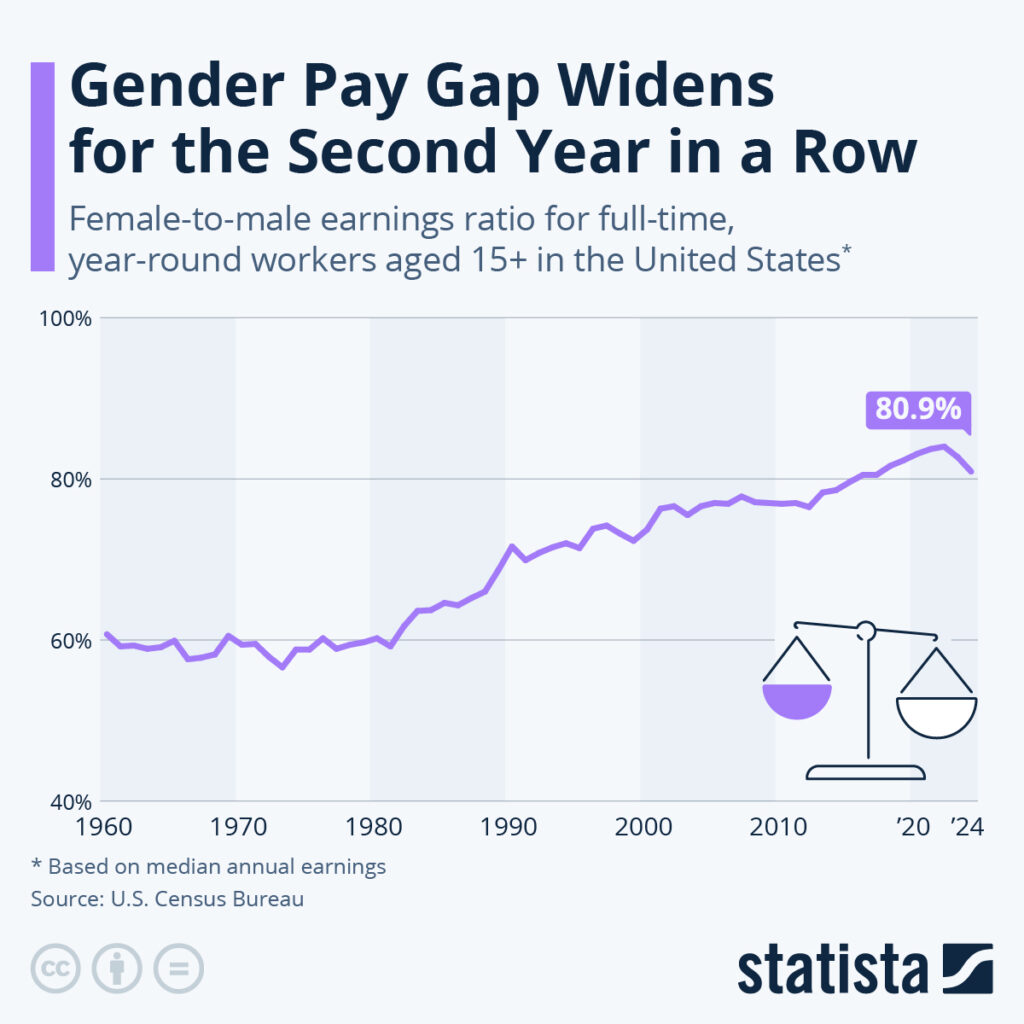
Consider the average woman worker. She clocks in at 7:30 AM, often after dropping her kids at daycare or caring for an aging parent. She endures microaggressions from managers who call her “too emotional.” She watches her male colleagues get promoted for the same work. She leaves exhausted, underpaid, and invisible. This is not a bug of the system. It’s the operating system.
Now imagine she walks into a room where the walls aren’t painted corporate beige, but a deep, defiant purple. The desks aren’t assigned by title, but by rotation. The budget isn’t a secret, but a shared ledger. The profits aren’t distributed by a distant board, but voted on by everyone. This is not a charity. This is a co-op. And it’s not just changing how she works—it’s changing who she is.
Research shows that worker cooperatives reduce gender pay gaps, increase job satisfaction, and foster leadership among women who were previously sidelined. But the magic isn’t just in the numbers. It’s in the alchemy of autonomy. When women control the conditions of their labor, they stop seeing themselves as victims of the economy—and start seeing themselves as its architects.
They begin to ask: Why should we accept poverty wages in feminized industries like care work or retail? Why should we tolerate harassment in silence? Why should we wait for a benevolent CEO to “empower” us, when we can empower ourselves—together?
The Feminist Co-op as a Mirror: Reflecting What Capitalism Erases
Capitalism doesn’t just exploit labor—it erases it. It turns care into charity, teaching into tuition, love into a line item. It frames women’s work as “nurturing” when it’s profitable, and “unskilled” when it’s not. The feminist co-op flips the script. It doesn’t just employ women—it redefines what work can be.
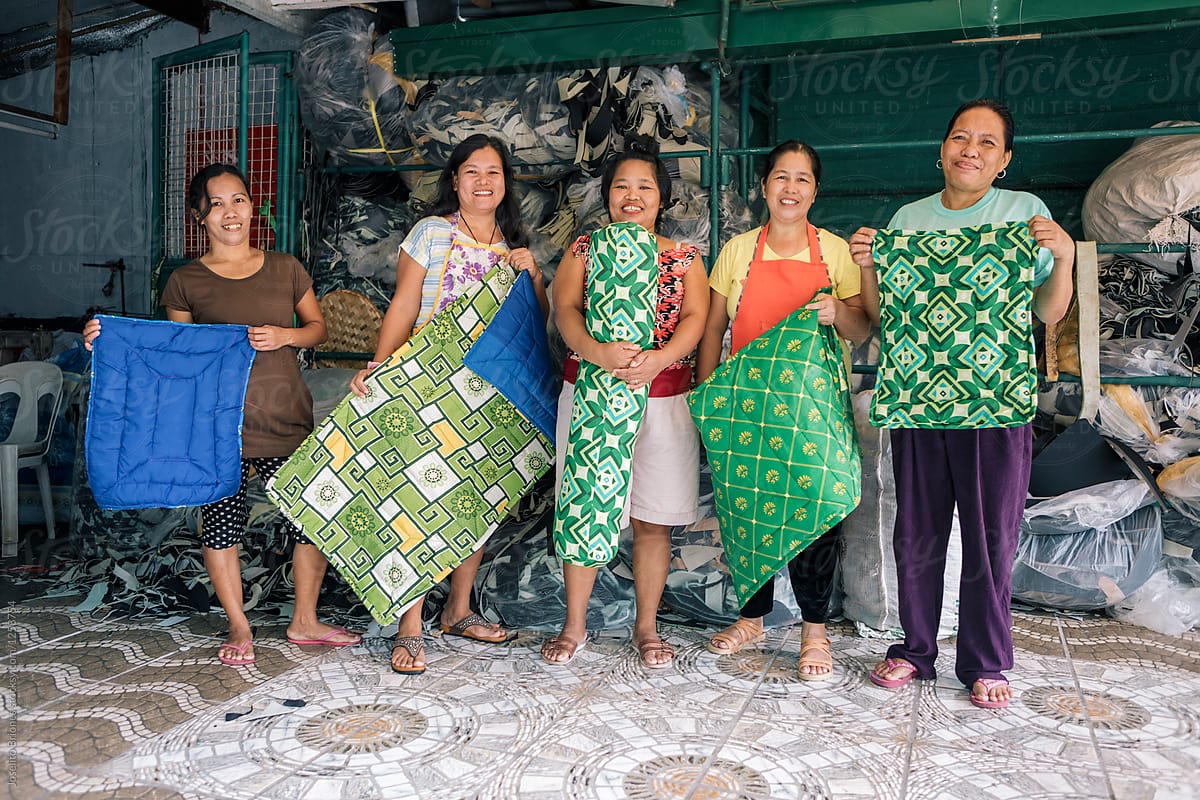
In a co-op, the woman who stitches the clothes isn’t just a “seamstress.” She’s an owner. The woman who cleans the office isn’t just “housekeeping.” She’s a member. The woman who raises the children in a daycare co-op isn’t just a “provider.” She’s a stakeholder. Every role is dignified because every role is essential—and every person has a say in how the work gets done.
This isn’t just economic justice. It’s epistemic justice. It says: Your labor matters. Your knowledge matters. Your voice matters. Not because a corporation decided to be “inclusive,” but because the structure of work itself was rebuilt to honor your humanity.
The Hidden Curriculum: What Co-ops Teach About Power
There’s a quiet curriculum embedded in the feminist co-op. It teaches women that power isn’t a zero-sum game. It isn’t hoarded. It isn’t earned through ruthless competition. It’s cultivated through trust, transparency, and shared risk. In a co-op, you don’t just learn how to lead—you learn how to listen. You don’t just learn how to manage—you learn how to care. You don’t just learn how to work—you learn how to belong.
This is radical in a world where women are constantly told to “lean in” to broken systems. The co-op says: Don’t lean in. Build your own table. And then invite others to sit with you.
It also exposes the fragility of the status quo. When women own their work, they stop begging for raises. They stop tolerating abuse. They stop accepting the lie that their labor is worth less than a man’s. They start demanding what they’re worth—and they start defining worth on their own terms.
The Future Isn’t Corporate—It’s Cooperative
The feminist co-op isn’t a boutique experiment. It’s a blueprint. From the Mondragon Corporation in Spain—one of the world’s largest worker co-ops—to the Black women-led co-ops in the American South that emerged from the civil rights movement, cooperatives have long been a tool of resistance. But today, they’re becoming a movement of reinvention.
As automation threatens to hollow out entire industries, as climate collapse demands new models of production, as the gig economy turns workers into disposable gigs—cooperatives offer something radical: stability. Not the false stability of a 401(k) tied to a volatile market, but the real stability of collective ownership, shared risk, and democratic control.
This is the future feminists are building—not just a world where women have more seats at the table, but a world where the table itself is dismantled and rebuilt by those who were never meant to sit at it.
The question isn’t whether the co-op will survive. The question is: Can capitalism survive without it?









Leave a Comment