What happens when the self-designated “default parent” decides to relinquish the invisible crown? Imagine a world abruptly bereft of the usual organizer, the relentless scheduler, the emotional anchor—what then? Chaos, of course. It’s the natural upheaval that follows the shattering of an entrenched family dynamic, a tumultuous yet fertile ground for transformation and growth. This is more than a simple role shift; it’s a seismic recalibration of expectations, boundaries, and identities. The uprising of autonomy in others often comes wrapped in the cloak of pandemonium. But isn’t that exactly where real evolution begins?
The Tyranny of the Default Parent
Being the default parent is less a role and more a conscription—a societal mandate cloaked in the guise of love and duty. This title rarely arrives by choice. It’s an invisible burden that accumulates gradually, like unnoticed dust thickening on a shelf, until one day it becomes unbearable. The default parent often shoulders the emotional labor, logistical masterminding, and crisis management solo, resembling less a partner and more a one-person command center.
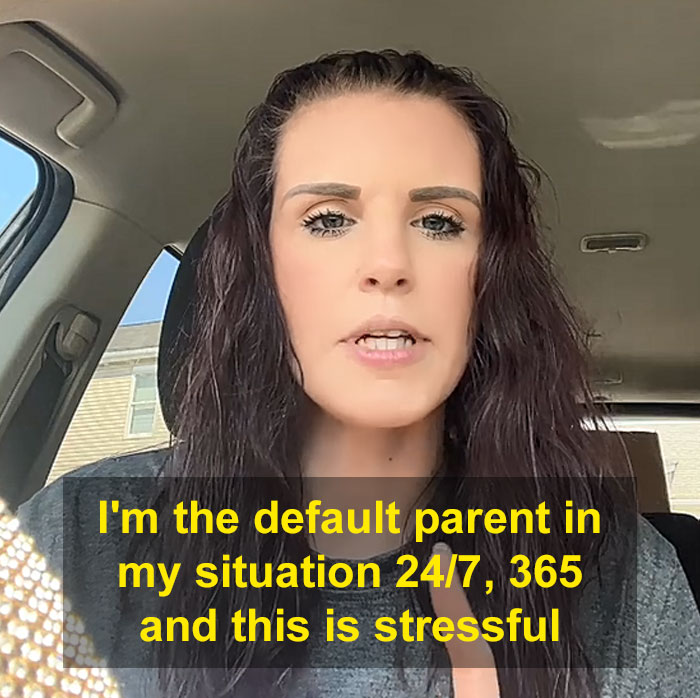
What happens to the person carrying this weight? Exhaustion seeps into their bones, identity narrows to caregiver mode. They morph into roles dictated by necessity rather than desire, and resentment quietly sprouts. The very people closest—the partner, the children—often become unintentional beneficiaries of this labor monopoly.
The Great Surrender: She Stops Being the Default
Now, envision her standing at a crossroads, sweat on her brow, heart pounding with trepidation and hope. She decides to stop being the default parent. This is not a mere act of rebellion; it’s a radical proposal to redistribute power and responsibility. But who will fill the void? Will the family implode or coalesce in newfound solidarity? The answer isn’t simple.

The initial fallout is predictably disorderly. Calendars go unchecked. Appointments missed. Meals skipped. The chaos is visceral and disheartening. But herein lies the paradox: this disruption is not a breakdown—it is a breakthrough. It cracks open the rigid structures of family dynamics, challenging the complacency of default roles and forcing others to step into arenas they once sidestepped.
Chaotic Ripples: The Family Reacts
When the relentless engine pauses, the entire family feels the jolt. Partners who had relegated parenting tasks to the fringe are thrust center stage, grappling with schedules, moods, and minor crises they had long ignored. Children, too, meet new expectations—of autonomy, empathy, and participation—often begrudgingly but inevitably growing.
The emotional and operational turbulence can be brutal. Accusations of detachment and irresponsibility fly like arrows. The default parent’s withdrawal exposes the skeletal frame of unequal labor. Yet, this upheaval breeds awareness. Awareness fertilizes dialogue. Dialogue cultivates empathy.
Reconstruction: Growth Through Redistribution
It is in this tender phase of reconstruction that the real metamorphosis unfolds. Shared responsibility emerges not as a chore but as a form of respect and acknowledgment. Partners who once floated downstream suddenly learn to navigate rapids. Children, understanding that their voices and choices bear weight, begin to mature not just in years but in wisdom.
Her decision to step back catalyzes a collective awakening. The family begins to function less like a tyrannical machine driven by one, and more like a living organism—fluid, adaptive, and resilient. Roles blur and shift dynamically, enabling personal growth and mutual support. Nourishing this ecosystem demands patience and persistence, but the benefits ripple beyond the familial sphere, influencing workplace dynamics and social interactions.
The Beauty and Burden of Boundaries
Crucial to this transformation is the establishment of boundaries—those invisible fences that guard wellbeing. The default parent, once a prisoner of invisible demands, learns to say no, to retreat, to enforce limits without guilt. Boundaries are not signs of weakness; they are declarations of self-respect and tools of empowerment.
Yet, setting boundaries can feel like drawing battle lines. Resistance arises from partners and society alike. The narrative glorifying sacrificial parenting confronts the sobering reality of burnout and neglect. This clash is the crucible where new meanings of caregiving and partnership are forged, challenging patriarchal assumptions about labor and love.
Beyond Default: Toward Equitable Partnerships
Ultimately, ceasing to be the default parent is an invitation—a provocateur tempting the family to reimagine itself. It asks a provocative question: Can we abandon archaic scripts and embrace a more equitable, collaborative, and conscious form of parenting? The challenge is immense, but so is the potential for liberation.
Families that dare to take this leap often discover deeper connections, richer emotional landscapes, and a shared sense of purpose. The default parent is dethroned, not in defeat, but as a herald of collective empowerment. This revolution isn’t televised, but it is deeply transformative, reshaping the contours of modern family life.

In the end, the abandonment of default parenting is less about abdication and more about affirmation—an affirmation of growth, boundaries, equity, and radical care. It invites everyone to take center stage, bearing the complexity, chaos, and unspeakable beauty of shared responsibility.







Leave a Comment