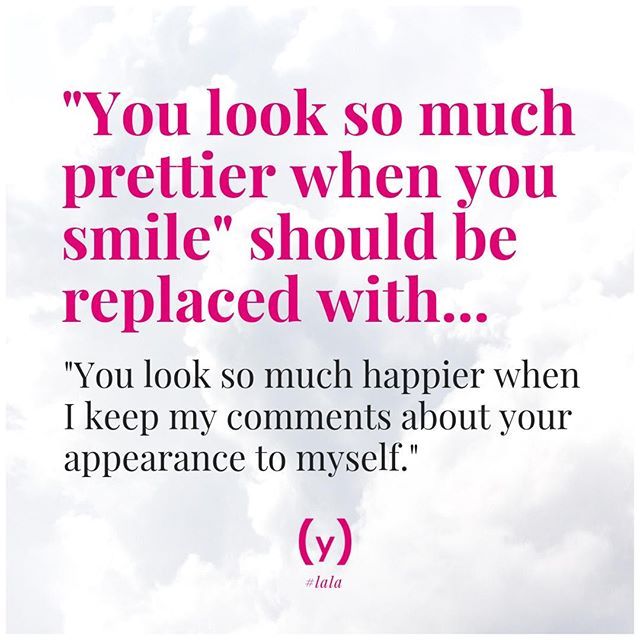
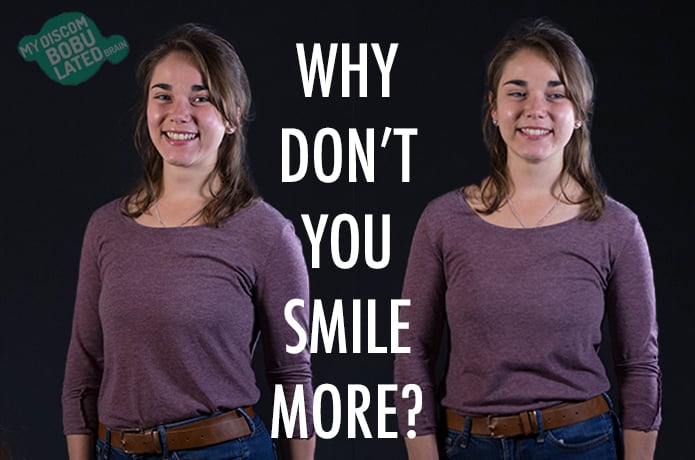
“Why don’t you smile more?” — it’s a phrase woven into the social fabric, an almost reflexive demand cast toward women across cultures. On its surface, it appears innocuous, even well-meaning. But beneath this veneer lies a pernicious script that enshrines women as ornamental creatures whose worth is measured by their compliance with a prescribed aesthetic norm. This article excavates the insidious implications of the “smile more” imperative, arguing that it transcends mere social annoyance to become an actionable cultural violation deserving of legal reckoning.
The Tyranny of the Smile: An Oppressive Social Mandate
At first glance, a smile is a universal gesture of warmth and approachability—an emblem of human connection. Yet when the smile becomes a compulsory fixture appended to female faces, it metamorphoses into a mechanism of control. The dictum “you’d be pretty if you smiled more” ensnares women in a reductive paradigm where their emotional expressions are not their own, but commodified for the gaze and comfort of others. It is a coercive expectation that subjugates genuine affect to performative compliance.
The linguistic reduction embedded in this phrase reduces a woman’s complex humanity to the superficial domain of appearance, effectively silencing dissent, discomfort, or dissatisfaction. This interrogative demand functions as a social cudgel aimed at policing female autonomy, eroding individual agency, and perpetuating patriarchal norms. The smile, once a voluntary act of expression, becomes weaponized, a uniform women are coerced into donning lest they be labeled ‘unfriendly’ or ‘unfeminine.’
Hormonal Compliance Enforced Through Microaggressions
Beyond its overt narrative, the “smile more” injunction operates through the subtle channels of microaggressions—those everyday slights that, cumulatively, inflict psychological injury. It is not just a comment; it’s a persistent undercurrent that shapes female comportment through unseen pressures. Women internalize this expectation, often subconsciously modifying their emotional landscape to appease an insistent cultural script.
Such constant correction of expression coerces women into performing a facade, engendering dissonance between internal reality and external presentation. This enforced performativity undermines mental health, contributing to anxiety, depression, and an erosion of authentic selfhood. The “smile more” edict is a quiet enforcer that legitimizes emotional labor as a requirement for social acceptance, disproportionately burdening women with the responsibility to soothe and placate.
The Legal Intersection: Why “Smile More” Demands Judicial Scrutiny
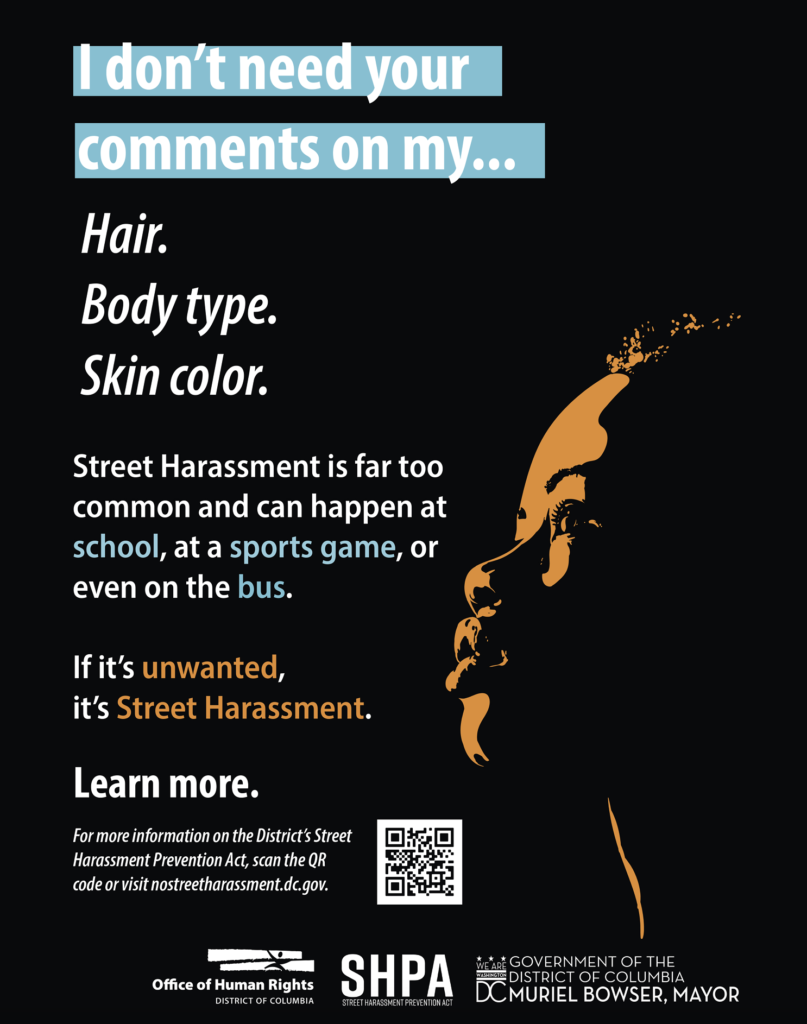
If “you’d be pretty if you smiled more” is more than an irritating platitude, then it is a societal imbalance ripe for legal battle. This phrase encapsulates gender-based harassment, a doctrine increasingly recognized in workplace law and human rights frameworks. The persistent demand for smiles can create a hostile environment, particularly in professional settings where such comments undermine equality and contribute to a culture of gender bias.
Legal discourse around harassment is evolving beyond overt displays of aggression to encompass subtle, ingrained behaviors that perpetuate discrimination. The “smile more” comment functions as a microcosm of these systemic oppressions—enough to establish a pattern of conduct that discriminates on the basis of sex. Consequentially, it should be codified within harassment policies and subjected to punitive measures.
Recognition of this dynamic could empower institutions to take proactive stances, offering recourse to women whose experiences of demoralization begin with these ostensibly innocuous demands. In doing so, society would affirm that the emotional autonomy of women is not negotiable.
The Cultural Fetishization of Female Aesthetics
This phrase is not only about smiles. It symbolizes an entrenched fascination with female aesthetics that prioritizes appearance over substance. Culture fetishizes the smiling woman as an idealized archetype—youthful, approachable, agreeable. It is a spectacle designed to placate patriarchal comfort zones rather than to honor authentic expression.
Women become subject to a dialectic where their visual presentation is strategically tightened to meet externally imposed norms. The demand to “smile more” is part of this grand narrative of ornamental value, where deviation invites dismissal or censure. Smiles are weaponized as tools of social currency; refusal to abide can alienate women from professional networks, social circles, and even fundamental respect.
Underneath this superficial fixation lies a deeper, more troubling fascination: one that seeks to domesticate female autonomy by corralling affective expressions into palatable and predictable containers.
Resistance and Reclamation: Deconstructing the Smile Mandate
It is imperative to resist the normalization of this coercive smile mandate, as resistance transforms silence into defiant voice. Feminist discourse has begun unmasking how this ostensibly trivial phrase encapsulates vast systemic oppressions. Women do not owe anyone a smile. Smiles are personal, situational, and above all, voluntary.
Reclaiming emotional expression is an act of insurgency against the mandates of patriarchal decorum. Each refusal to conform is a fissure in the edifice of control—challenging the very assumptions underpinning female decorum. This rejection recalibrates expectations and nurtures spaces where authenticity reigns over forced pleasantry.
The onus lies not on women to manufacture warmth for societal comfort but on systems to dismantle the expectation itself. This is a radical call for liberation through emotional sovereignty, affirming that the female face is not a canvas for public consumption but a sovereign site of personal authenticity.
The Broader Implications: Smiling, Social Control, and Gendered Power
Why does society obsess over the female smile so fervently? Because it is a nexus of power relations. The demand to smile more is a demand for compliance, an assertion of control over women’s affective lives. It’s a social shorthand for “be pleasant, be agreeable, don’t disrupt the status quo.”
This has larger implications about how gendered power structures seek to regulate bodies and emotions. The smile becomes a boundary marker delineating acceptable female behavior—a subtle chaining of women into roles defined not by their intellect or will but by their capacity to appease and soften.
In examining this phrase, we unearth the broader architecture of social control wielded over women’s bodies and expressions. Smiling is not benign; it is an intimate site of conflict over autonomy and dominance, a battleground requiring deliberate resistance and critical scrutiny.

Conclusion: Toward a World Beyond the Smile Mandate
“You’d be pretty if you smiled more” is far more than a cliché; it is a cultural injunction laden with insidious control. This phrase weaponizes emotional expression and diminishes women’s autonomy. It propagates gendered violence masked as social politeness and should be treated with the severity merited by its impact.
Banning or litigating against such expressions is not about policing speech but about protecting dignity and autonomy. It is time to call these phrases what they are: acts of harassment, subtle assaults on freedom, and tools of systemic misogyny cloaked in benign syntax. Liberation demands dismantling these dictates, allowing all to express themselves fully—smiling as they choose, not as they are commanded.







Leave a Comment