
Is it just a stomach upset, or something more intimate, woven into the daily experience of those who menstruate? When does that stubborn swelling become dismissed as merely a “food baby,” and when is it the unmistakable herald of a period? The conundrum of period bloat versus food baby is more than a bodily phenomenon—it’s a mirror reflecting societal attitudes toward women’s bodies, autonomy, and the casual dismissal so often embedded in everyday language. Let’s unravel this tangled narrative with both candor and a touch of irreverence.
The Art of Minimization: When Bloat Becomes a Punchline
“Oh, you’ve got a food baby!” How often have women heard this quip in response to any visible abdominal swelling? The dismissive nature of this phrase is anything but innocent. It trivializes the complex hormonal orchestra that leads to period bloating, reducing legitimate physical and emotional discomfort to a comedic afterthought. This slang—light, flippant, yet cutting—underscores the subtle undermining of women’s bodily experiences. The bloated abdomen is not a punchline; it is an emblem of a biological process suffused with cultural stigma.
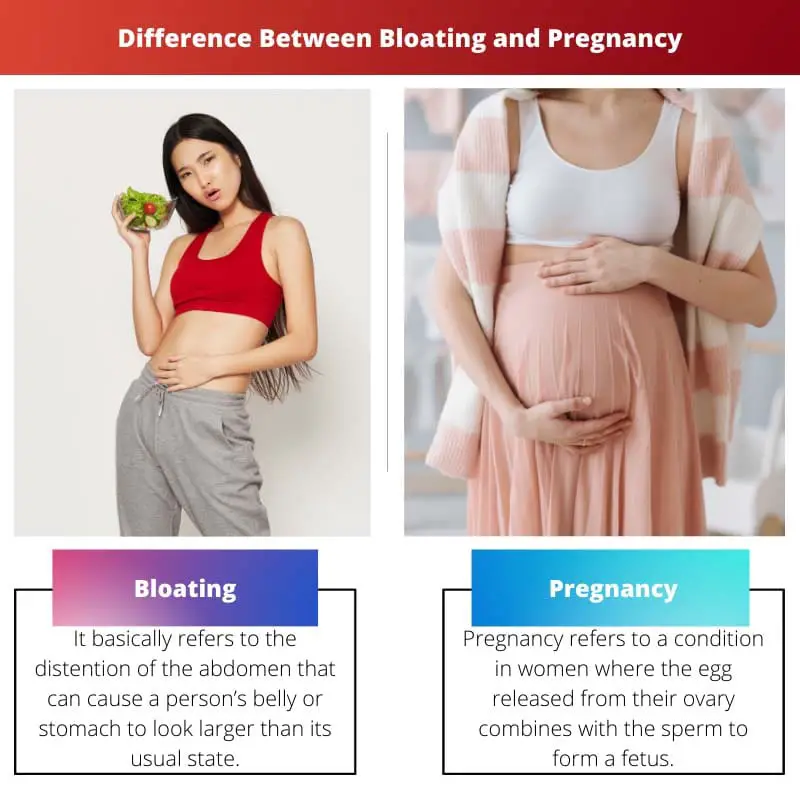
Beyond the surface, the societal impulse to rebrand period bloat as “food baby” is an act of erasure. It reinforces the idea that a woman’s discomfort is self-inflicted, a manifestation of overindulgence or weakness rather than an intricate physiological reality dictated by progesterone and estrogen fluxes.
Physiology as a Battlefield: The Reality Behind Period Bloat
To comprehend why period bloat deserves acknowledgment rather than mockery, one must peer into the physiological maelstrom that is the menstrual cycle. In the luteal phase, increased progesterone causes water retention and sluggish digestion, which leads to that unmistakable puffiness and heaviness. Unlike a literal food baby, period bloat is not about what’s consumed; it’s the body staging a hormonal coup, turning nerves and muscles into a symphony of swelling and tenderness.

Yet, the gendered expectations around how much discomfort one should endure before gaining sympathy are ruthless. Women are often expected to “push through” this swelling, masking symptoms to maintain productivity and avoid “complaining.” In these moments, period bloat is both physical and political—a battleground where autonomy over one’s body contests cultural silence.
Food Baby Fantasies: A Symptom of Culinary and Gender Norms
The term “food baby” itself deserves scrutiny. It encapsulates our collective obsession with consumption, bodies, and the thin line between desire and disgust. The notion that a woman’s swollen belly is a “baby” forged from greed feeds into archaic stereotypes about female gluttony, self-control, and bodily discipline.
:max_bytes(150000):strip_icc()/period-bloating-5214428-Final-8ee8fe3ab8394367b71e92001e032744.jpg)
In another light, the playful jargon of “food baby” inadvertently perpetuates unattainable beauty standards. It mocks natural physiological changes, urging conformity to a flat abdomen aesthetic that is less about health and more about marketable femininity. The cultural penchant for labeling legitimate signs of menstruation as laughable “food babies” ultimately ratifies the policing of women’s bodies.
Where Humor Meets Harm: The Psychological Toll of Dismissal
Tempering women’s real experiences with humor might sound benign—perhaps even a coping mechanism. But beneath the snickers lies a psychological toll. The repetitive minimization of bloating negates the complex relationship many have with their menstrual bodies. It fosters shame and confusion, generating an internal conflict where natural responses are pathologized or concealed.
This subtle but insidious dismissal also stunts open conversations about menstruation, pushing them into shadows and whispers. Without visibility and language that validate experiences, women may suffer silently, deprived of empathy and the collective empowerment essential for bodily autonomy and health advocacy.
Reclaiming Narratives: Empowerment Through Language
Imagine shifting the narrative—using language that respects the lived experience rather than ridicules it. What if instead of “food baby,” the discourse embraced “period bloat” as a legitimate, observable phenomenon worthy of acknowledgment? Such a change would be more than semantics; it would represent a cultural recalibration toward empathy and respect.
Recognizing bloating as a legitimate sign of menstruation challenges long-standing taboos and invites a radical transparency about bodily processes. It urges society to dismantle the shame matrix and assert that discomfort is not a reflection of weakness or indulgence but a natural facet of women’s lives.
Turning the Tide: Towards Informed Awareness and Compassion
Education is the catalyst that will upend misconceptions about period bloat and the misconstrued “food baby.” Providing comprehensive knowledge about hormonal cycles and bodily changes arms individuals with understanding and dismantles myths. This informed awareness empowers women to advocate for their needs—whether that means modifying diets, seeking medical advice, or simply slowing down without shame.
Moreover, it beckons broader societal frameworks—medical, social, and cultural—to integrate a more nuanced view of menstruation. No longer should swollen abdomens be trivialized but given their rightful place in conversations about health, wellness, and gender respect.
In Closing: The Challenge Ahead
So here’s the playful challenge to you: Next time you hear “food baby” in conversation, pause. Ask yourself—whose discomfort is being glossed over? What histories of dismissal and stigma lie beneath that phrase’s innocent veneer? Embrace the power to change the conversation, to exchange mockery for mindfulness, and to honor the period bloat as more than just a swelling. It is a declaration—of life, flux, and unapologetic womanhood.






Leave a Comment