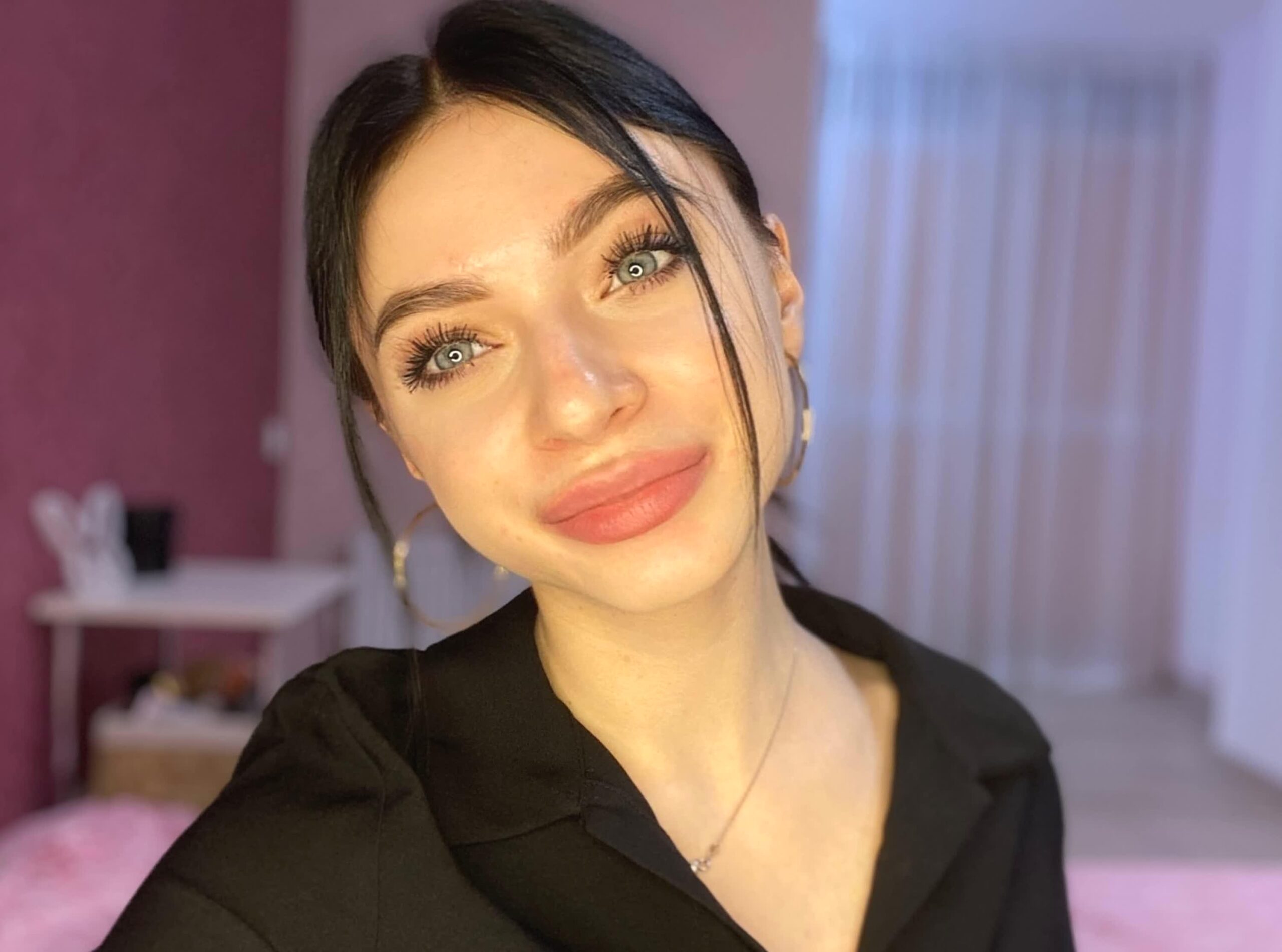
In a world meticulously engineered by flawless filters, curated perfection, and an unrelenting quest for validation, one woman dared to confront her own digital masquerade. She embarked on a courageous experiment: documenting her face without a single filter for 30 days. What unfolded was not merely a revelation of raw skin and unvarnished reality, but a profound revelation that questions our collective obsession with appearance and authenticity. The results shocked her—and promise to shift the way we perceive beauty, identity, and self-worth.
The Illusion of Perfection: Filters as a Double-Edged Sword
Filters are the modern-day masks we wear, seamlessly merging artistry with deception. They smooth wrinkles, brighten skin tone, erase blemishes, and silently coerce the beholder—and crucially, the wearer—into subscribing to an unattainable ideal. Yet beneath this facade, a paradox thrives. While filters grant momentary confidence boosts and social acceptance, they also tether individuals to an unrelenting performance, one that erodes genuine self-esteem.
Her decision to remove filters one by one over the course of a month was an act of rebellion against this relentless curation. It was a silent scream into a world that demonizes aging, skin imperfections, and natural features deemed unpopular by beauty industry standards. This experiment compelled her to embrace the complexity of lived experience encoded on her face: laughter lines, scars, and shadows that tell stories far richer than any digitally enhanced selfie.

Day One: Initial Resistance and Self-Conscious Vulnerability
The earliest days were fraught with tension—a kind of cognitive dissonance between her mirror reflection and the filtered image burned into her psyche. The initial glance without enhancements felt alien, even distressing. It was a confrontation with unapologetic humanity, blemishes and all. This uncomfortable unveiling forced a critical introspection: Why had she spent so much time hiding from her own true visage? Why was society complicit in teaching women shame over their natural selves?
Her diary reveals subtle fluctuations in mood that mirrored her facial revelations—from shame and embarrassment to curiosity and tentative acceptance. Each day without filters rendered the act less performative and more ritualistic: a reclaiming of identity that had long been held hostage by unattainable beauty ideals.
The Sociocultural Implications: Beauty Standards as Instruments of Control
This personal journey unspooled against the backdrop of a culture addicted to visual perfection. Historically, female bodies and faces have been sites of regulation—constrained by patriarchal dictates that idealize youth, flawlessness, and docility. Today, digital filters can be seen as extensions of these imperatives, tools that perpetuate an oppressive gaze under the guise of artistic expression.
By stripping away the digital veil, she confronted the pervasive cultural script head-on. This was no mere vanity project but an act of defiance that highlighted how ingrained and systemic the pressure to conform truly is. Her experience echoes a feminist insistence on reclaiming agency over bodily representation, challenging the media-saturated narratives that equate worth with visual appeal.

Transformation Beyond the Surface: Psychological and Emotional Shifts
As the days passed, the physical transformation—or rather, the reveal of what had always been there—catalyzed a deeper psychological metamorphosis. She began to disentangle her self-esteem from external validation. The mirror became less an adversary and more an ally, reflecting the nuanced landscape of her humanity with all its imperfections, resilience, and beauty.
This unfiltered gaze invited radical self-compassion and an arduous process of acceptance. There were moments of frustration and doubt, but also emerging joy and empowerment. The vulnerability that initially consumed her transformed into strength. It became a radical act of self-love and a rejection of homogenized ideals pushed relentlessly by social media.
The Ripple Effect: Inspiring Collective Dialogue on Authenticity
Her experiment did not unfold in isolation. As images and reflections circulated, a wave of responses flooded in—some supportive, some skeptical, and others profoundly moved. The rawness she exhibited dismantled the illusion of perfection long upheld by filtered personas, inviting others to question their own use of digital masks.
This shared transparency has the power to unravel toxic beauty standards and create space for a more inclusive, patient, and authentic representation of bodies and identities. It challenges the voyeuristic consumption of “flawless” images and instead nurtures empathy, understanding, and solidarity among women and marginalized bodies everywhere.

Conclusion: Toward a New Paradigm of Visibility and Self-Worth
Her 30-day journey is more than a mere shedding of filters; it is a manifesto for a cultural paradigm shift. It asks us to reconsider our complicit role in upholding unrealistic beauty standards and to embrace multiplicity in human appearances. This odyssey illuminates how vulnerability can catalyze empowerment. True beauty, it seems, is not found in pixel-perfect snapshots, but in the unapologetic display of our authentic selves.
What happens when we all reclaim this radical visibility? Perhaps then, the cultural landscape of beauty, identity, and self-love will transform—not through digital artifice, but through steadfast honesty and the courage to be seen, wholly and imperfectly human.







Leave a Comment