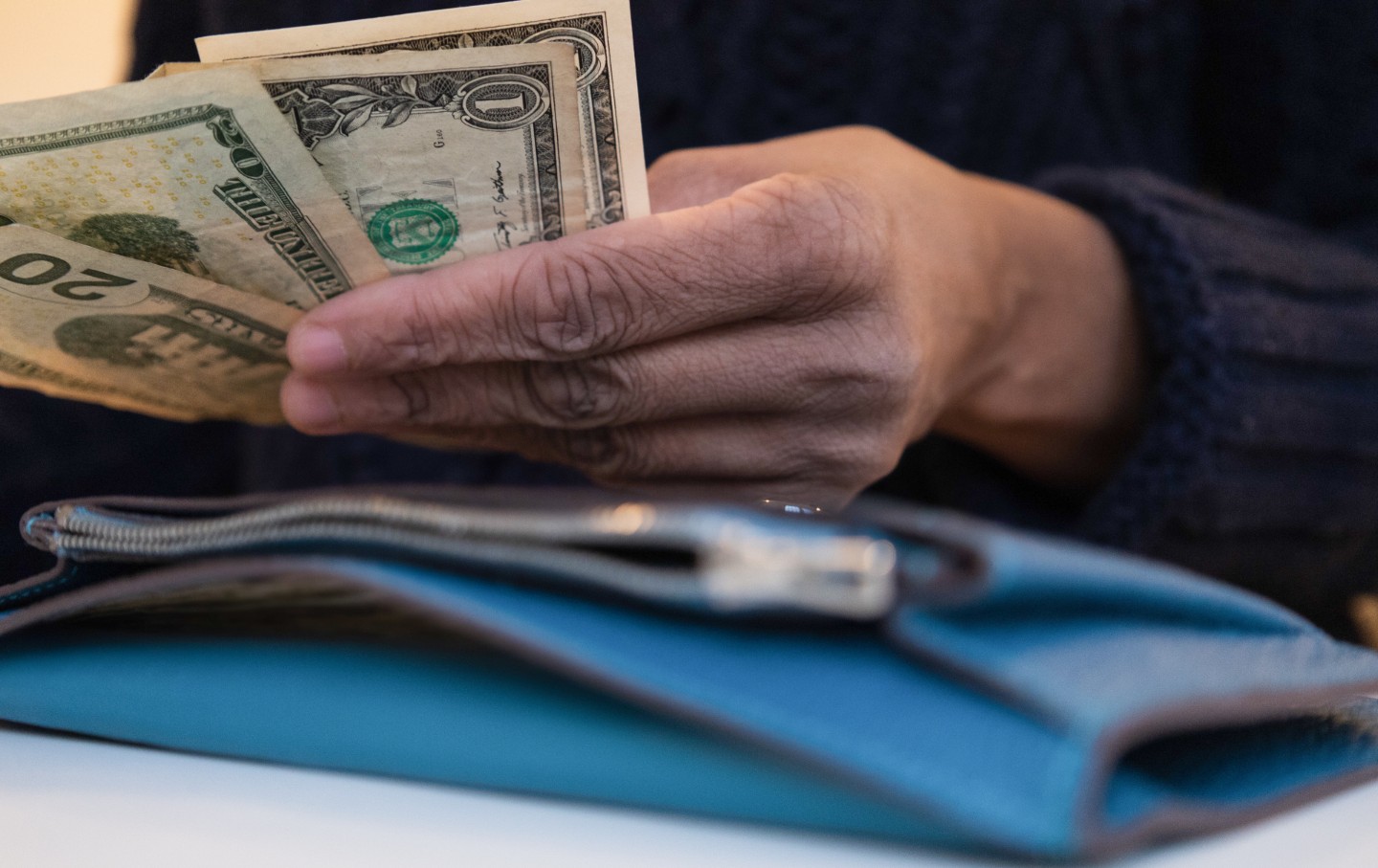
Imagine stepping into a world where every diploma you earn comes with a hidden tax—one that doesn’t just follow you, but multiplies the moment you enter the workforce. Welcome to the reality of the student debt crisis, where women aren’t just borrowing more; they’re drowning in it. What if I told you that the very system designed to empower you through education is actually chaining you to a financial albatross? Buckle up. This isn’t just about numbers. It’s about power, privilege, and the quiet erasure of women’s economic autonomy.
The Wage Gap’s Evil Twin: Student Debt Disparities
Let’s start with a hard truth: women borrow more for college than men do. On average, female graduates leave school with nearly 20% more debt than their male counterparts. But here’s the twist—women also earn less. The gender pay gap ensures that every dollar borrowed becomes a dollar harder to repay. It’s like being handed a shovel in a sandstorm: the more you dig, the deeper you sink.
Consider this: a woman with a bachelor’s degree will, over her lifetime, earn about $630,000 less than a man with the same credential. Now layer student loans on top of that. The result? A financial death spiral where repayment becomes less about progress and more about survival. The irony? The system that promised us equality in education is quietly ensuring we remain unequal in wealth.

The Motherhood Penalty: When Debt Meets Caregiving
Motherhood isn’t just a biological milestone—it’s an economic catastrophe in disguise. Women with children, especially single mothers, face a brutal trifecta: higher borrowing rates, lower wages, and the unpaid labor of caregiving. Student loans don’t pause for diaper changes or school pickups. They don’t care if you’re breastfeeding at 3 AM or grading papers at midnight.
Here’s the kicker: women are more likely to take on debt for advanced degrees, often in fields like education or healthcare—industries that are underpaid and undervalued. These degrees don’t just come with diplomas; they come with invisible shackles. And when life throws a curveball—a sick child, a divorce, a layoff—the loans don’t vanish. They linger, a financial haunting that follows you long after the cap and gown are packed away.
What if the real crisis isn’t student debt itself, but the fact that we’ve built a society where women are expected to pay for their ambition with their future?
The Predatory Lending Trap: Who Really Benefits?
Let’s talk about the elephant in the room: predatory lending. Student loans aren’t just a personal burden; they’re a profit machine. Private lenders and for-profit colleges target women—especially women of color—with aggressive marketing, promising “empowerment” through education while saddling them with debt they can’t escape. Default rates skyrocket. Mental health crumbles. And the cycle continues.
For-profit colleges, in particular, have a notorious reputation for exploiting women’s aspirations. They lure students with glossy brochures and empty promises, only to leave them with degrees that don’t translate to jobs—and loans that do translate to lifelong payments. It’s not education. It’s indentured servitude in academic drag.

The Mental Health Toll: When Debt Becomes a Chronic Condition
Student debt isn’t just a financial issue—it’s a psychological one. Studies show that women with student loans report higher levels of stress, anxiety, and depression than men with similar debt loads. The constant pressure to repay, the shame of asking for help, the fear of never being “free” from this burden—it’s a slow-burning crisis that chips away at self-worth.
Imagine being told your dreams are valid, but your wallet isn’t. Imagine being gaslit by a system that says, “You chose this,” when the choice was between education and poverty. The mental load of debt is a silent epidemic, one that disproportionately affects women because we’re conditioned to believe we must be perfect—even when the system is rigged against us.
The Intersectional Nightmare: Race, Class, and the Debt Divide
If you think the student debt crisis is bad for women, imagine how much worse it is for women of color. Black women, for instance, borrow more on average than white women and take longer to repay their loans. Latina women face similar disparities, compounded by language barriers and systemic discrimination in hiring and promotions.
Class plays a role too. Low-income women are more likely to take on debt for vocational training or community college, only to find that the jobs they land don’t pay enough to cover the payments. It’s a cruel joke: the system pushes you to “better yourself,” then punishes you for daring to try.
What’s the Way Out? A Call to Collective Action
So, what’s the solution? Band-Aid fixes won’t cut it. We need systemic change—free college, loan forgiveness, and an end to predatory lending. But we also need something more radical: a cultural shift. We must stop treating debt as a personal failure and start treating it as a collective failure of our economic system.
Women, especially marginalized women, have been told for decades that education is the great equalizer. But what if the equalizer was actually power? What if we demanded not just debt relief, but economic justice? What if we refused to let the system dictate our worth?
Here’s a playful question to leave you with: If student debt is the price of admission to the American Dream, who decided women should pay more? And more importantly—when do we stop paying?










Leave a Comment