
Remote work promised a sanctuary, a gilded cage where the shackles of workplace sexism might finally be loosened. The sudden shift from fluorescent-lit cubicles to pixelated Zoom grids was heralded as the dawn of a new egalitarian era. But beneath this veneer lies a more nefarious truth: remote work did not eradicate sexism—it simply draped it in a digital cloak, masking its corrosive presence rather than confronting it. Like a subterranean root system thriving unseen beneath pristine garden paths, workplace sexism adapted, persisted, and in some forms, metastasized.
The Mirage of the Digital Eden
The early optimism surrounding remote work resembled a collective mirage—an alluring vision that proximity was the bedrock of discrimination. Distance was supposed to neutralize bias, obliterate microaggressions, and equalize voices. Yet, just as sunlight cannot reach roots buried deep in soil, the remote workspace concealed, rather than dispelled, the entrenched sexism that festers below the surface.
Without the physicality of shared spaces, the subtle yet potent mechanisms of exclusion quietly mutated. The informal interactions—the coffee machine whispers, the hallway smirks, the after-hours cliques—simply migrated into new, less visible channels. The “watercooler talk” became group chats and backchannel messages with even less accountability. The digital Eden was neither safe nor sanitized; it was a shadow realm where toxicity lurked, camouflaged by pixelated distance.
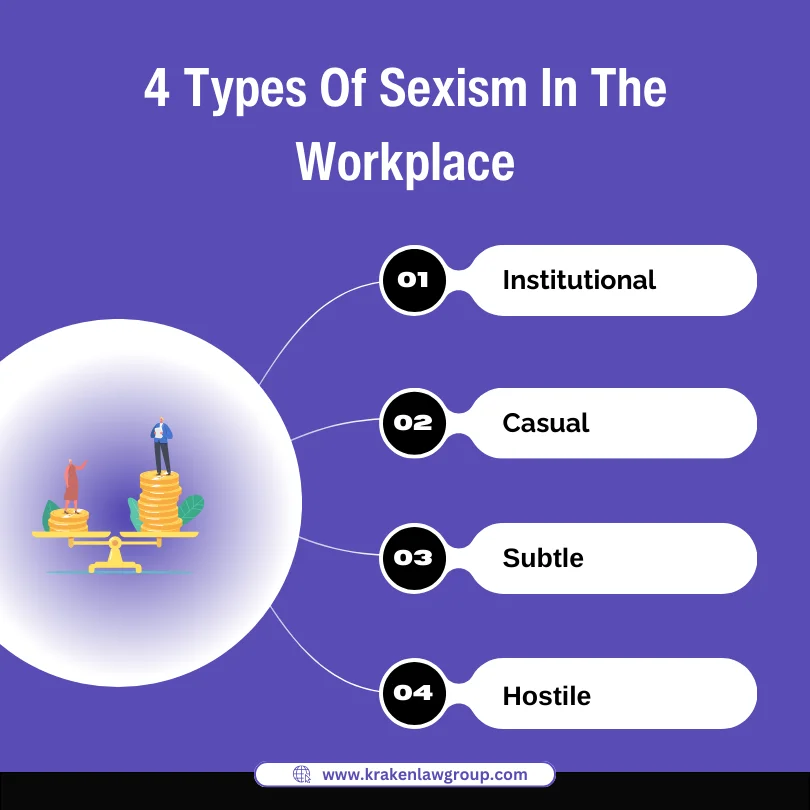
The Illusion of Equal Footing
The virtual workplace illusorily promotes democracy—everyone has a screen, everyone can speak. But screens are deceptively flat surfaces. They flatten identities, yes, but also exacerbate visibility disparities. Women and marginalized groups often find themselves sidelined in digital conversations, their presence diminished by techniques more insidious than overt exclusion.
Who decides when the camera is on, who interrupts, whose ideas are amplified? In virtual meetings, interruptions become clicks of the mute button, the subtle cues of attention replaced by frozen grids and delayed audio. These barriers create a labyrinth where women must navigate skepticism not through open confrontation, but through fractured, fragmented communication. The “mute” functions as a metaphor for the silencing that persists, cloaked in the quiet hum of our devices.
The Persistence of Emotional Labor and Microaggressions
Emotional labor—the invisible weight disproportionately borne by women—did not dissolve in the ether of remote work. If anything, it intensified. The expectation to manage not only one’s own work but also the emotional well-being of digital teams remains relentless. Women find themselves policing tone, mediating conflicts, and softening abrasive comments through endless threads of emails and private messages.
Microaggressions, once whispered in shared workspaces, now punctuate chat logs and direct messages, easily dismissed or ignored in the cacophony of digital communication. Sexist jokes, offhand remarks, and undermining comments became insidious pop-ups—fleeting, yet damaging snapshots of cultural toxicity that continue to erode confidence and foster alienation.

The Double-Edged Sword of Flexibility
Remote work’s lauded flexibility wields a paradoxical blade. On the surface, it offers liberation from rigid schedules and commuting drudgery, theoretically empowering women who often juggle domestic responsibilities. But this flexibility masks an invisible erosion of boundaries.
Without clear separation between work and home, women’s labor becomes unquantifiable and unrecognized, absorbed seamlessly into the fabric of family life. This “always-on” expectation, fueled by digital availability, intensifies gender disparities in workload and career progression. Such fluidity is a double-bind—enabling presence while eroding professional visibility, fostering productivity while masking exhaustion.
The Digital Glass Ceiling and Enduring Power Dynamics
Despite geographic dispersal, power hierarchies remain stubbornly intact in virtual environments. The digital glass ceiling persists, reinforced by old biases and new digital dynamics. Leadership roles and pivotal assignments rarely redistribute organically; they remain guarded by gatekeepers, often obscured behind strategically curated online personas and selective inclusion in high-stakes virtual meetings.
Visibility and influence are currency in remote workspaces, but these commodities are unevenly distributed. Women and marginalized employees often experience a digital “gaze” that scrutinizes their every move, while their contributions are systematically undervalued or appropriated. Remote work did not dissolve power; it refined and concealed it beneath layers of binary code and algorithmic bias.
The Way Forward: Unmasking and Transforming Digital Workspaces
To confront the digital incarnation of workplace sexism, organizations must first acknowledge this phantom menace lurking behind screens. Transparency and accountability must extend beyond physical spaces into the realms of virtual interactions. Anti-sexism policies require adaptation—embedding specificity about digital conduct, addressing microaggressions in messaging platforms, and fostering inclusive meeting cultures that value diverse voices.
Technology itself can become an ally in dismantling sexism: AI-driven bias detection in communication tools, anonymized contribution tracking, and equitable resource distribution mechanisms offer tantalizing possibilities. But technology alone is insufficient without sustained cultural transformation and empowered leadership committed to equity.
The remote work revolution was never about escaping sexism; it was about confronting it on new terrain. Only by unmasking the hidden, by illuminating the shadows beneath our screens, can this new workplace horizon truly become a landscape of justice and opportunity.











Leave a Comment