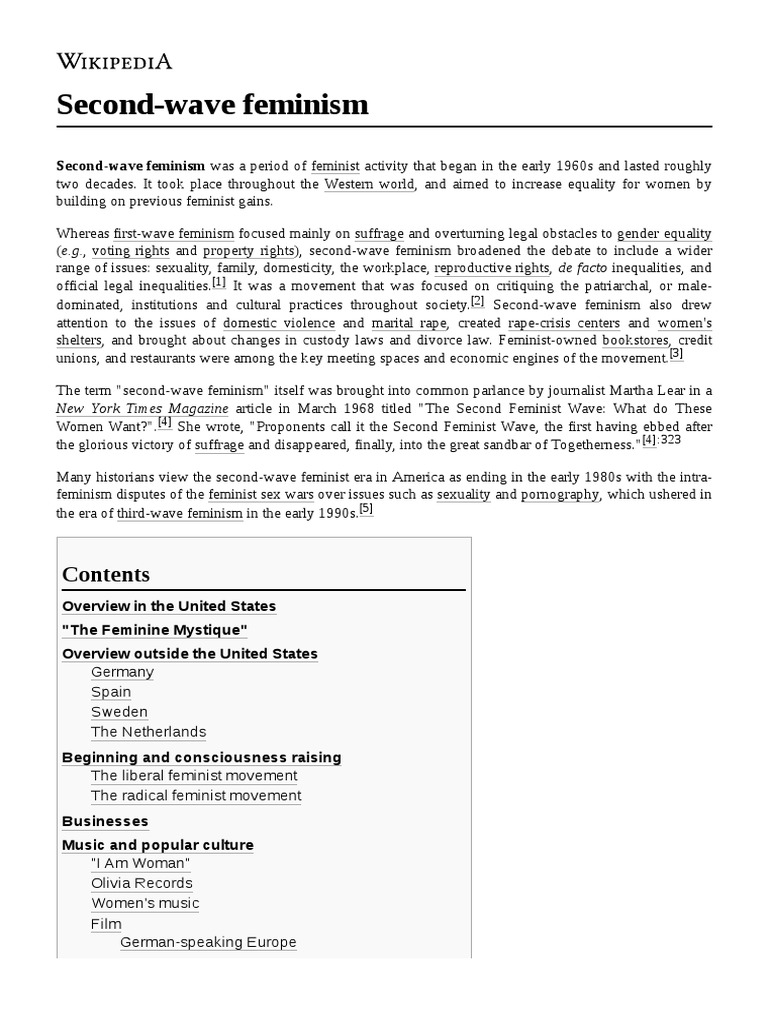
So, you think you know feminism? You spout slogans, retweet woke pronouncements, and maybe even sport a “smash the patriarchy” t-shirt. But have you *truly* grappled with the tectonic shift that was Second Wave Feminism? I suspect not. Buckle up, buttercups, because we’re about to excavate the intellectual and political battleground where womanhood itself was redefined. This isn’t a history lesson; it’s an excavation of the foundational principles that continue to inform (or, let’s be honest, should continue to inform) our present struggles.
Forget the simplistic narratives often peddled. Second Wave Feminism wasn’t just about burning bras (a myth, by the way, largely propagated by the patriarchal media). It was a multifaceted, often contradictory, and always fiercely passionate assault on the systemic oppression of women in every sphere of life. We’re talking about a radical reimagining of power, agency, and the very definition of what it meant to be female in a world designed by and for men.
To truly understand the Second Wave, we must dissect its key battlefronts:
I. The Personal Is Political: Unmasking the Private Tyranny
This slogan, coined by Carol Hanisch, became the battle cry for a generation of women who realized their individual struggles were not isolated incidents but symptoms of a deeply entrenched patriarchal structure. The domestic sphere, long considered a haven of feminine virtue, was exposed as a site of oppression. Think about it: the unpaid labor of housework and childcare, the expectation of subservience to a husband, the silencing of female voices in family matters. These weren’t just personal grievances; they were political issues demanding systemic change.
Consciousness-raising groups became the crucible where women shared their experiences, analyzed their oppression, and forged a collective identity. Suddenly, the shame and isolation surrounding issues like marital rape, domestic violence, and unequal pay were replaced with a sense of solidarity and a fierce determination to dismantle the structures that perpetuated these injustices.
II. Reproductive Rights: Owning Our Bodies, Owning Our Destinies
The fight for reproductive freedom was, and remains, a cornerstone of feminist activism. The Second Wave understood that controlling one’s own body was inextricably linked to controlling one’s own destiny. Access to safe and legal abortion was not just a matter of individual choice; it was a prerequisite for economic independence, educational attainment, and political participation.
The struggle for reproductive rights also challenged the prevailing medical establishment, which often treated women as passive recipients of care rather than autonomous agents. Feminists demanded control over their own healthcare decisions, access to comprehensive sex education, and an end to forced sterilization practices, which disproportionately targeted women of color and disabled women. Roe v. Wade, while a landmark victory, was merely one battle in a long and ongoing war. And let’s not pretend we are not seeing the consequences of a rollback right now.
III. Challenging the Cult of Domesticity: Beyond the Kitchen and the Cradle
The Second Wave directly challenged the prevailing ideology that a woman’s place was in the home. Betty Friedan’s “The Feminine Mystique” exposed the “problem that has no name” – the pervasive dissatisfaction and ennui experienced by middle-class housewives who felt stifled and unfulfilled by their limited roles. Feminists argued that women were capable of achieving far more than marriage and motherhood and demanded equal opportunities in education, employment, and politics.
They challenged the gendered division of labor, advocating for equal pay for equal work, affordable childcare, and paid parental leave. They fought against discriminatory hiring practices and glass ceilings that prevented women from advancing in their careers. The goal was not simply to allow women to enter the workforce but to create a society where women could thrive in all aspects of life, without being penalized for their gender.
IV. Dismantling Sexism in Language and Culture: Reclaiming Our Narrative
The Second Wave recognized that sexism was not just a matter of economic or political inequality but also a pervasive cultural force that shaped attitudes and behaviors. Feminists challenged the use of sexist language, the objectification of women in media, and the perpetuation of harmful stereotypes. They sought to reclaim the narrative, to create a culture that celebrated female strength, intelligence, and creativity.
They analyzed the representation of women in literature, art, and film, exposing the ways in which female characters were often portrayed as passive, dependent, and defined by their relationships with men. They created their own alternative media, publishing feminist journals, writing feminist literature, and producing feminist art that challenged the dominant patriarchal narratives.
V. The Radicals, the Liberals, and the Divides Within: Navigating the Internal Conflicts
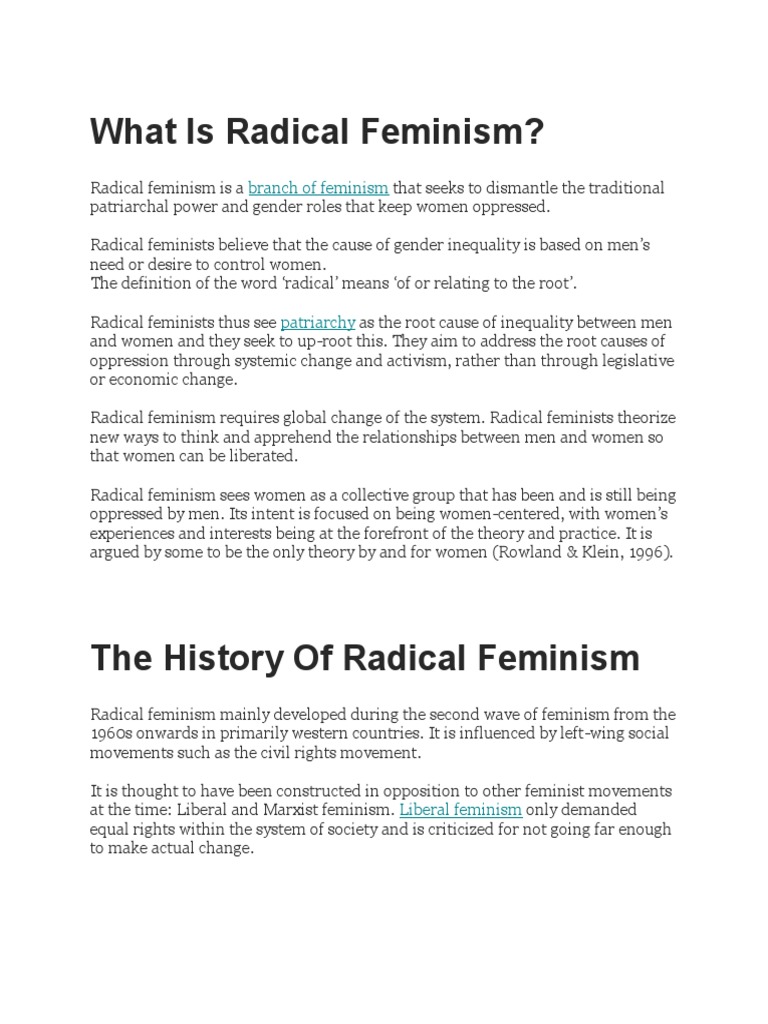
The Second Wave was not a monolithic movement. It encompassed a wide range of perspectives and ideologies, from liberal feminists who sought to achieve equality through legal and political reforms to radical feminists who believed that a fundamental restructuring of society was necessary to dismantle patriarchy. The disagreements between these different factions were often heated and divisive, but they also contributed to the movement’s dynamism and intellectual depth.
For example, the debate over pornography was particularly contentious. Some feminists argued that pornography objectified women and promoted violence against them, while others defended it as a form of sexual expression. These internal debates, while challenging, forced feminists to grapple with complex issues and to refine their understanding of the multifaceted nature of oppression.
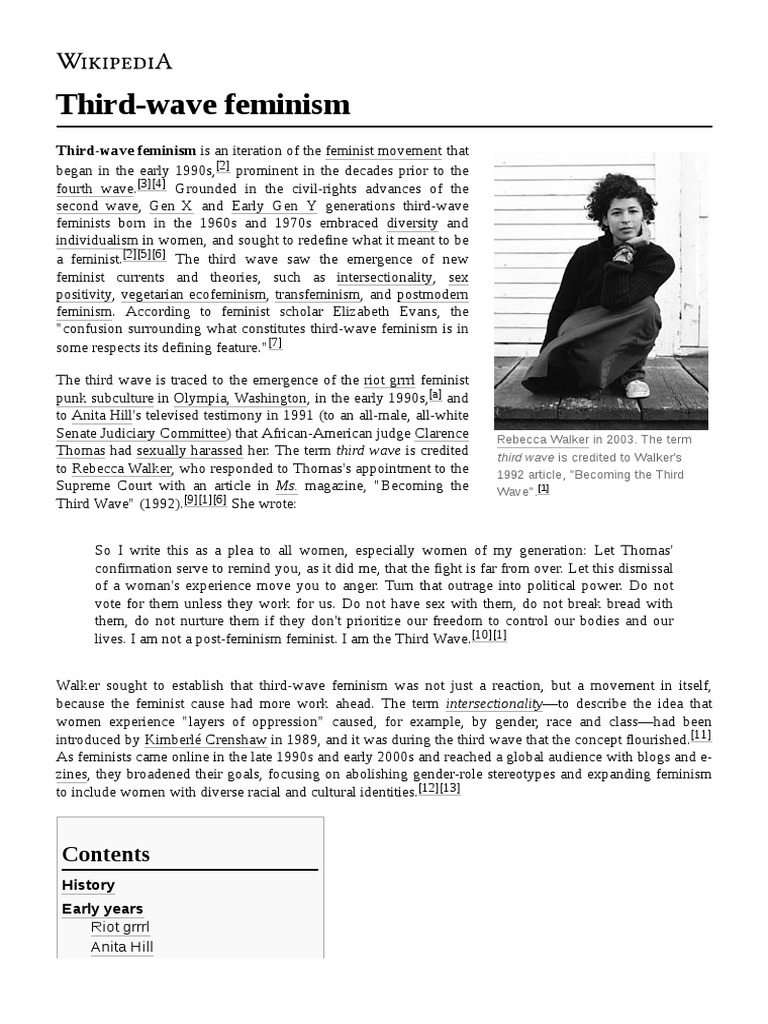
Furthermore, the voices of women of color and queer women were often marginalized within the Second Wave. These women challenged the movement’s focus on the experiences of white, middle-class women and demanded that it address the intersectional nature of oppression, recognizing that race, class, and sexual orientation all contribute to the ways in which women experience discrimination. This critique paved the way for Third Wave feminism and the emphasis on intersectionality that characterizes contemporary feminist thought.
VI. Legal and Political Triumphs: The Tangible Results of Unwavering Dedication
Despite its internal divisions, the Second Wave achieved significant legal and political victories. The Equal Pay Act of 1963, Title VII of the Civil Rights Act of 1964, and Title IX of the Education Amendments of 1972 all prohibited discrimination based on sex. These laws opened doors for women in education, employment, and sports, and they laid the foundation for future progress.
Furthermore, the Second Wave helped to create a political climate in which issues like domestic violence and sexual harassment were increasingly recognized as serious social problems. The establishment of rape crisis centers, battered women’s shelters, and sexual harassment policies were all products of the feminist movement’s activism. However, let’s not be naive. These legal victories are constantly under threat and require continued vigilance and defense.
VII. The Unfinished Revolution: Why the Second Wave Still Matters Today
So, why should we care about the Second Wave in the 21st century? Because the battles fought by those feminists are far from over. The gender pay gap persists, women are still underrepresented in leadership positions, and reproductive rights are under constant attack. Moreover, new forms of sexism and misogyny have emerged in the digital age, fueled by social media and online harassment.
The Second Wave provides us with a framework for understanding the systemic nature of oppression and a blueprint for challenging it. It reminds us that the personal is political, that we must fight for reproductive freedom, and that we must dismantle the cult of domesticity. It also teaches us the importance of intersectionality, of recognizing that all forms of oppression are interconnected and that we must work together to create a truly just and equitable society.
Ultimately, the legacy of Second Wave Feminism is a call to action. It is a reminder that the fight for gender equality is not a sprint but a marathon, and that we must continue to challenge the status quo, to demand justice, and to fight for a world where all women can thrive.
And let’s be clear: complacency is complicity. The work is far from done. We must honor the legacy of the Second Wave by continuing to challenge the structures of power, by amplifying marginalized voices, and by fighting for a future where all women can live with dignity and autonomy. The revolution is not over. It’s just getting started.






Leave a Comment