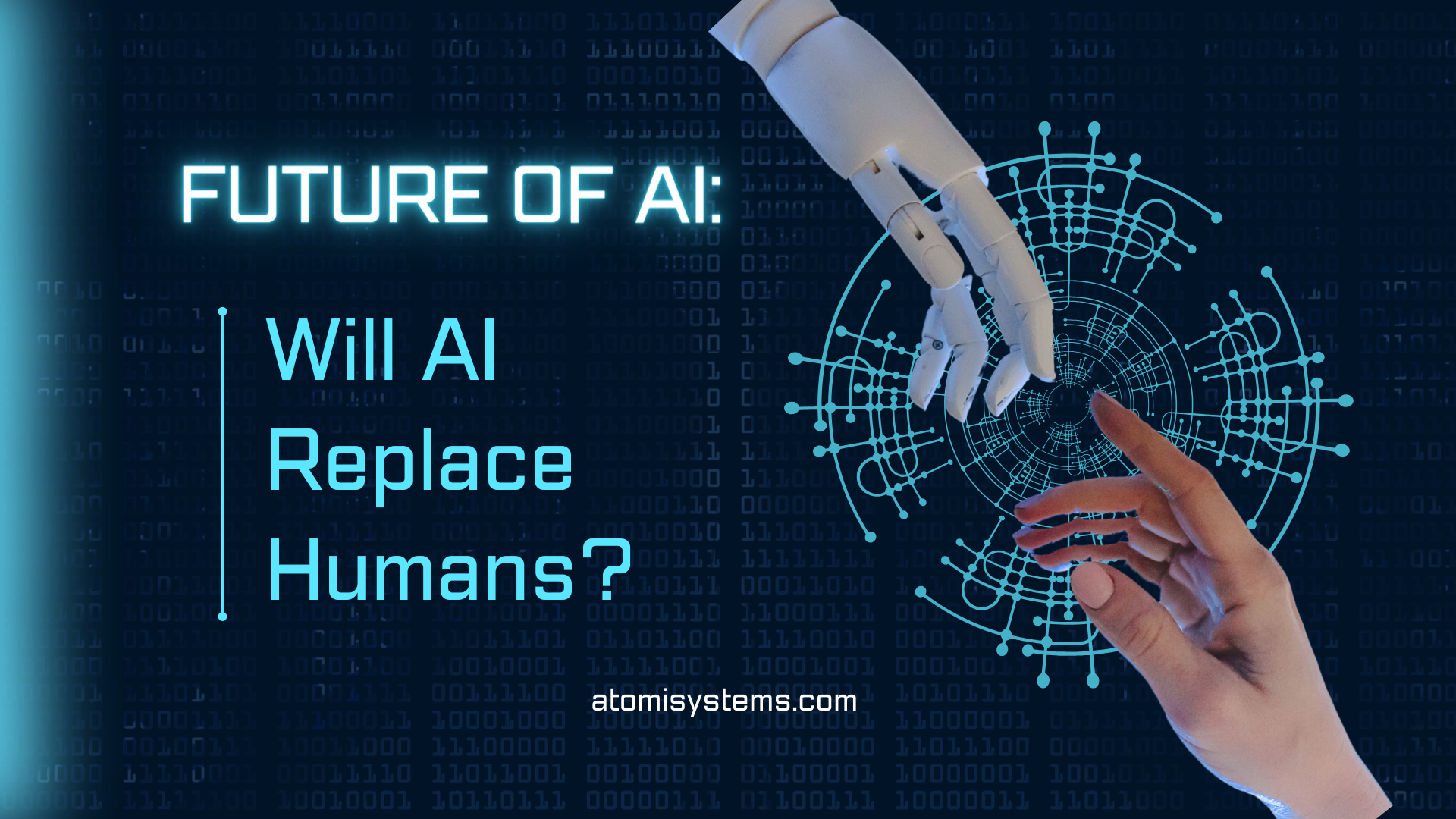
The specter of artificial intelligence looms over the modern workforce like a silent reaper, its scythe poised not to sever life, but to sever livelihoods. And if history’s biases are any indication, it will strike first at the professions where women have long toiled—caregiving, administration, education—jobs deemed “nurturing” rather than “strategic,” “supportive” rather than “innovative.” This isn’t just automation; it’s algorithmic erasure, a digital coup d’état where efficiency trumps empathy, and data eclipses dignity. But what if the real question isn’t whether AI will replace women’s jobs, but how we can dismantle the systems that make it inevitable?
The Invisible Labor Trap: Why AI Targets “Women’s Work” First
Picture a factory floor, but instead of steel and smoke, it’s filled with spreadsheets and soft voices. This is the modern workplace—a place where women, historically confined to roles of caretaking, organization, and emotional labor, now find their digital doppelgängers being trained to do the same. AI doesn’t just automate tasks; it automates the very essence of femininity as defined by capitalism: patience, precision, and self-erasure.
The irony is brutal. Women have spent decades proving their competence in fields like nursing, teaching, and administrative work—only to have those very skills reduced to lines of code. A chatbot can now answer patient queries with eerie accuracy. A virtual assistant can schedule meetings with machine-like efficiency. A predictive algorithm can “optimize” classroom learning, reducing teachers to mere facilitators of data. These aren’t just tools; they’re Trojan horses, smuggling in the assumption that women’s labor is expendable, replicable, and, above all, cheap.
Consider the language used to describe these replacements: “streamlining,” “scaling,” “disrupting.” Never “devaluing” or “exploiting.” The tech industry, a bastion of male dominance, has long treated women’s work as a problem to be solved—by machines. Why pay a human when an AI can do it faster, cheaper, and without demanding better conditions? The answer isn’t technological inevitability; it’s a calculated devaluation of the feminine.
The Algorithmic Bias: When Data Becomes a Weapon
AI doesn’t emerge from a vacuum; it’s fed on the same prejudices that have long dictated women’s roles in society. Training datasets are rife with historical imbalances—resumes skewed toward male applicants, customer service logs dominated by female voices, medical research prioritizing male bodies. The result? Machines that “learn” to associate women with lower-paying, high-turnover jobs, and men with leadership and innovation.
This isn’t just bad coding; it’s a feedback loop of oppression. When an AI hiring tool is found to favor male candidates for tech roles, it’s not a bug—it’s a feature of a system designed to reproduce inequality. When virtual assistants default to female voices, it’s not coincidence; it’s a reinforcement of the idea that women exist to serve, not to lead. And when caregiving apps promise to “reduce the burden” on human nurses, they’re not solving a problem—they’re normalizing the idea that human care is a luxury, not a necessity.
The danger isn’t just replacement; it’s erasure. AI doesn’t just take jobs—it rewrites the narratives around them. A nurse becomes a “data inputter.” A teacher becomes a “content moderator.” A secretary becomes a “task optimizer.” The titles change, but the devaluation remains. The message is clear: if your work can be quantified, it can be commodified. And if your work is deemed “emotional,” it’s the first to go.
The Illusion of Choice: “Upskilling” as a Trap
Enter the corporate mantra of the hour: “upskilling.” The solution to AI displacement, we’re told, is for workers to adapt—to learn to code, to master data analysis, to become “tech-savvy.” But this narrative ignores a brutal truth: not all skills are created equal. Coding bootcamps won’t save a childcare worker. Data science certifications won’t elevate a receptionist. The jobs being automated aren’t just any jobs; they’re the jobs that society has deemed “lesser,” and no amount of training will change that.
Worse, “upskilling” often serves as a smokescreen for layoffs. Companies use it to justify replacing human workers with cheaper, more “flexible” AI—while offering employees the hollow promise of future relevance. The irony? The skills being pushed—AI literacy, digital marketing, coding—are themselves being automated at an alarming rate. The very tools marketed as salvation are the ones wielding the knife.
What’s needed isn’t more training, but a reckoning. Women aren’t failing to adapt; the system is failing to value them. The real question isn’t “How do we prepare for AI?” but “How do we ensure AI doesn’t prepare for us?”
The Feminist Rebellion: Reclaiming the Future of Work
So how do we fight back? The answer isn’t to resist technology—it’s to redefine it. The feminist movement has long fought for the right to be seen as more than just caregivers or consumers. Now, it must fight for the right to be seen as irreplaceable. This means demanding transparency in AI development, ensuring that the datasets used to train these systems aren’t just diverse, but actively anti-oppressive. It means pushing for policies that mandate human oversight in automated decision-making, so that no woman’s livelihood is decided by an algorithm trained on her own exploitation.
It also means reimagining work itself. Why must caregiving be a low-wage job? Why must teaching be a profession on the brink of obsolescence? The answer lies in the refusal to accept that women’s labor is inherently devalued. We must demand wages that reflect the true cost of care, benefits that acknowledge the emotional toll of service work, and protections that ensure no woman is replaced by a machine without a fight.
And perhaps most importantly, we must reject the idea that efficiency is the ultimate virtue. A world where AI handles all the “tedious” work is a world where human connection becomes a luxury. It’s a world where empathy is outsourced to machines, and where the very qualities that make us human—compassion, creativity, intuition—are deemed obsolete. But what if the future of work isn’t about replacing humans, but about reclaiming humanity? What if the goal isn’t to make AI better at caregiving, but to make caregiving a job worth fighting for?

The Final Stand: No Job for a Woman Is Safe
The truth is, no woman’s job is safe from AI—not the CEO, not the scientist, not the artist. The automation wave won’t discriminate; it will simply follow the path of least resistance, and that path has long been paved with women’s unpaid and underpaid labor. The question isn’t whether AI will replace women’s jobs first—it’s whether we’ll let it.
This is a call to arms. Not just for women in the workforce, but for anyone who believes that human dignity shouldn’t be negotiable. The fight isn’t just about jobs; it’s about power. It’s about who gets to decide what work is valuable, who gets to shape the future, and who gets left behind in the process. The machines are coming. The question is: will we stand in their way, or will we let them write the next chapter of our lives?
The choice is ours. But time is running out.






Leave a Comment