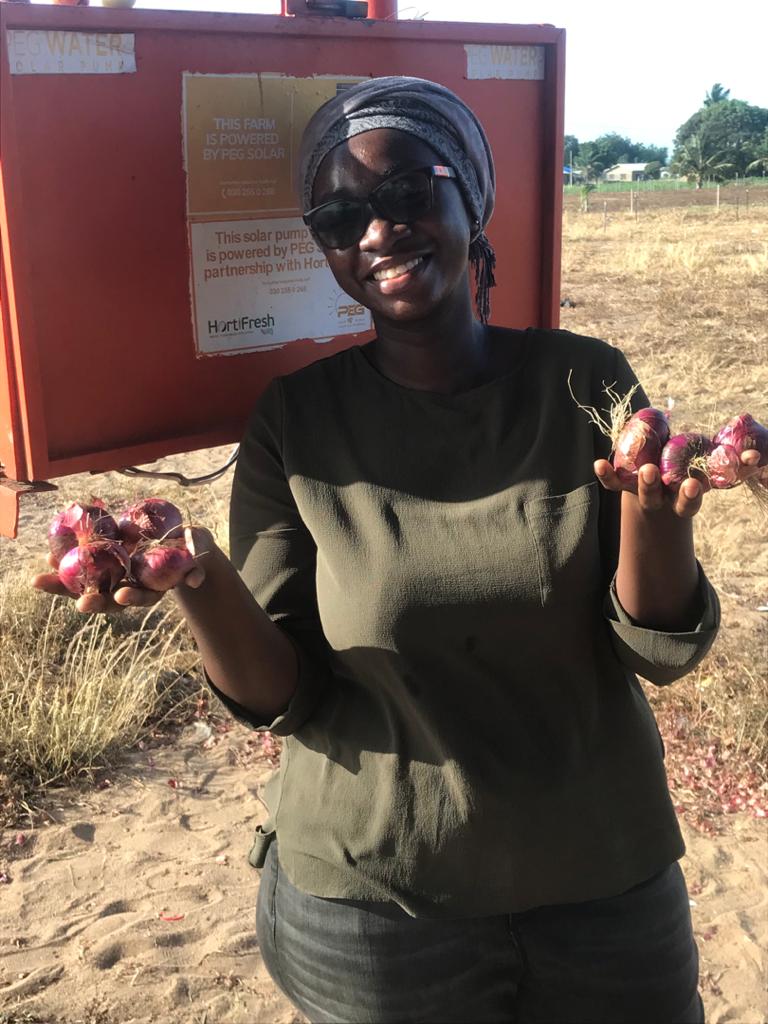
What if the key to doubling crop yields wasn’t found in a lab, but in the hands of a woman who refused to accept the status quo? Meet the unsung architect of a feminist irrigation revolution—where water flows not as a corporate-controlled resource, but as a lifeline reclaimed by those who need it most. This isn’t just a story of agriculture; it’s a manifesto of resistance, ingenuity, and the quiet dismantling of a system that has long sidelined women in farming.
The Spark: A Woman’s Reckoning with Scarcity
In the arid heartlands where drought is a seasoned guest, women have always been the silent engineers of survival. They’ve carried water on their heads, negotiated with parched earth, and whispered to seeds in languages of hope. But what happens when the wells run dry and the menfolk’s solutions—pipelines, dams, and high-tech sprinklers—remain stubbornly out of reach? For one woman, the answer wasn’t resignation. It was rebellion.
She watched as her neighbors’ crops withered, their husbands’ loans deepened, and the local agri-businesses profited from their desperation. Then, one monsoon season, she noticed something the engineers had missed: the way water pooled in the lowlands after rains, ignored by the dominant irrigation models. Why not harness that? Why not build a system that worked with the land, not against it? The challenge was clear—design an irrigation method that was affordable, scalable, and, above all, feminist in its ethos. No patents. No gatekeepers. Just a network of trenches, gravity, and collective labor.

The result? A labyrinth of shallow, meandering channels that mimicked natural watercourses, fed by rainwater harvesting pits. No pumps. No fossil fuels. Just the patient carving of earth and the unshakable belief that water should flow to those who tend the soil, not to those who own the patents. Within a year, her plot’s yield doubled. The neighboring women, skeptical at first, began to dig their own channels. The men, initially dismissive, soon followed—because when women thrive, everyone eats.
The Feminist Algorithm: Water as a Commons
This wasn’t just irrigation. It was a feminist algorithm—a decentralized, participatory system where decisions were made collectively, and benefits were shared equitably. The old models treated water as a commodity, to be bought, sold, and hoarded. Hers treated it as a commons, a shared inheritance that demanded stewardship over exploitation.
How did she ensure the system stayed feminist? By embedding three radical principles into its design:
- No Gatekeeping: The blueprints were free, shared in village gatherings where women—often illiterate—could trace the channels in the dirt with sticks. Knowledge wasn’t locked behind paywalls or academic jargon.
- Labor Equity: Men were welcome to help, but the labor of digging and maintenance was rotated among women. No one was exempt from the sweat equity required to keep the system alive.
- Yield Redistribution: Surplus crops weren’t sold to middlemen at exploitative rates. Instead, they were pooled into a community fund, used to pay for seeds, school fees, or emergency medical care. The system wasn’t just about water—it was about power.
Critics sneered. “It’s inefficient,” they said. “It won’t scale.” But efficiency, in their eyes, was measured in profit margins, not in the laughter of children no longer hungry or the pride of women who could finally say, “We did this ourselves.” Scalability? The system spread like wildfire—from one village to ten, then a hundred, each adaptation a testament to its adaptability. The only thing that didn’t scale was the patriarchy that tried to contain it.
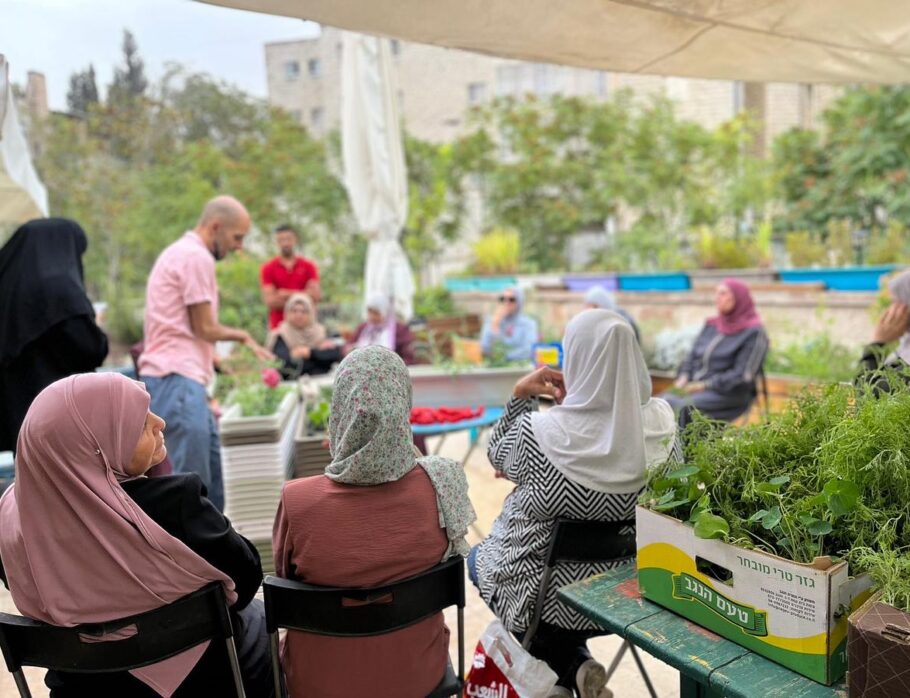
And then there was the unspoken challenge: What happens when the system works? In a world where women’s labor is systematically undervalued, success often invites co-optation. Agribusinesses began offering “partnerships.” NGOs proposed “scaling up” with their logos attached. The state dangled grants—if the women agreed to register their land under male heads of household. The feminist irrigation system had become a threat. Not because it failed, but because it succeeded.
The Backlash: When Feminism Grows Roots
The resistance came in predictable forms: whispers that the woman was “too ambitious,” that her methods were “unscientific,” that the yields were “a fluke.” When those failed, the threats arrived—land grabs, stolen tools, even arson. But the most insidious attack was the one dressed in “support”: the offer to “professionalize” her work. “We’ll help you get investors,” they said. “We’ll make it sustainable,” they lied.
Sustainability, in their vocabulary, meant compliance. It meant diluting the feminist core until it was just another NGO project, dependent on donor whims. It meant trading autonomy for crumbs. She refused. Instead, she doubled down, training a new generation of women not just in irrigation, but in resistance. They learned to document their work, to film the sabotage, to organize. They turned the system’s success into a shield—because when you control your own water, you control your own destiny.
The backlash revealed a truth often buried in feminist discourse: liberation is not a gentle process. It is a storm. And storms uproot the weak, but they also nourish the strong. The women who built the irrigation system didn’t just weather the storm—they became the storm.
The Ripple Effect: Beyond the Fields
The impact of this feminist irrigation revolution extended far beyond crop yields. In villages where women had once been confined to the domestic sphere, they now sat at the head of community meetings. Men who once scoffed at “women’s work” now asked for their advice on water management. Girls who had dropped out of school to fetch water returned, their backpacks filled with notebooks instead of jugs.
But the most profound change was in the way the land itself was perceived. No longer a resource to be extracted, it became a collaborator. The trenches weren’t just channels for water; they were veins carrying life, resilience, and the quiet defiance of those who refused to be erased.
And the yields? They kept doubling. Not because of some miracle technology, but because the system was designed by those who understood the land’s rhythms—the ones who had always known that the earth gives back what you give to it.
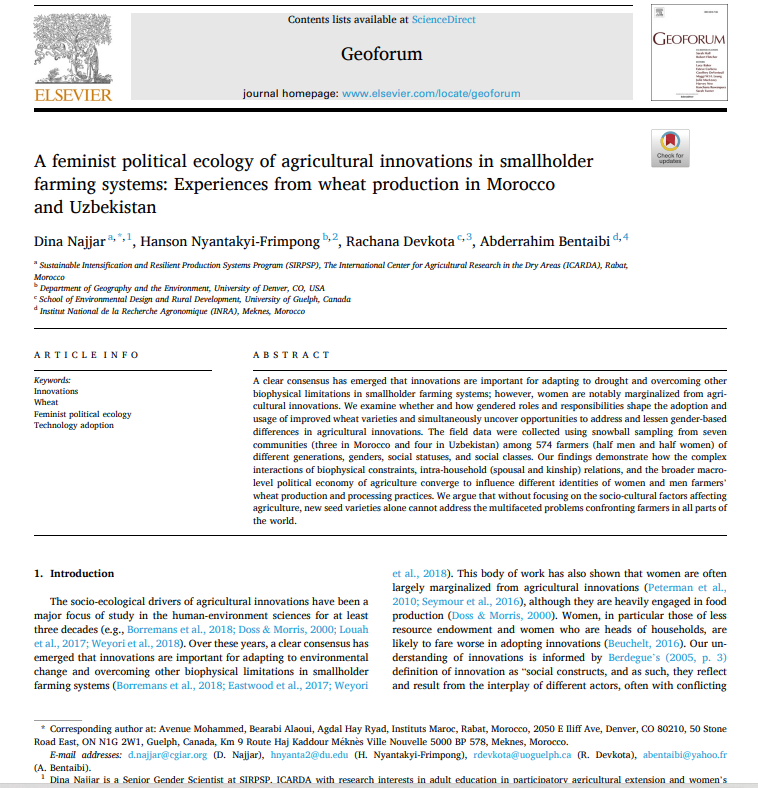
The question now lingers, unanswered but urgent: What other systems are waiting to be reimagined by those who’ve been told they don’t belong in the design process? The feminist irrigation system didn’t just water crops. It watered a revolution. And revolutions, once unleashed, are impossible to contain.








Leave a Comment