
The hospitality industry, a realm where warmth is currency and service is an art, has long been a stage where women are the gracious hosts and men the authoritative managers. This isn’t just a casual observation—it’s a pattern so entrenched it feels like an unspoken rule. But why does hospitality mean women welcome while men manage? The answer isn’t just about tradition; it’s about power, perception, and the quiet reinforcement of gender roles in spaces designed to make others feel at home.
The Myth of the “Natural” Hostess
Women have been culturally conditioned to embody hospitality long before they enter the workforce. From childhood, girls are often praised for their nurturing tendencies—setting the table, pouring tea, smoothing over conflicts with a smile. These aren’t just learned behaviors; they’re socialized expectations. The hospitality industry, with its emphasis on emotional labor, becomes a natural extension of this indoctrination. Women are expected to radiate warmth, to anticipate needs before they’re voiced, to transform spaces into sanctuaries of comfort. But this isn’t innate talent—it’s the result of centuries of conditioning that frames women as the emotional laborers of society.
Meanwhile, men are steered toward roles that demand authority, decisiveness, and control. The manager’s office, the boardroom, the strategic planning table—these are spaces where masculinity is performatively validated. Hospitality, with its focus on service and interpersonal finesse, is often seen as secondary to the “real” work of management, which is coded as masculine. The industry’s hierarchy mirrors this divide: women at the front desk, men in the back office, reinforcing the illusion that warmth is a feminine trait and management a masculine one.

The Invisible Labor of Welcome
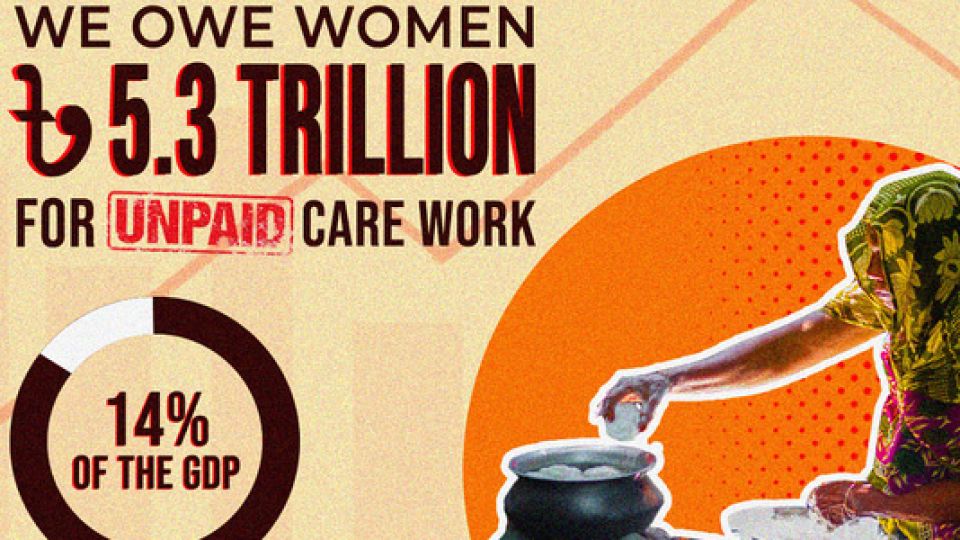
Consider the front desk of a luxury hotel. The woman behind it doesn’t just check guests in; she performs a ritual of reassurance. Her smile isn’t just polite—it’s a calculated act of emotional alchemy, designed to make strangers feel valued. This is labor, often unpaid in the eyes of the industry, because it’s framed as “natural” to her gender. Meanwhile, the man in the managerial role is tasked with “hard” decisions—budgets, staffing, crisis management—work that is quantifiable, respected, and compensated accordingly.
This division isn’t accidental. It’s a reflection of how society assigns value. Emotional labor, despite its exhausting demands, is dismissed as “soft” because it’s associated with femininity. The woman who remembers a guest’s name and preferences is praised for her “gift,” while the man who implements a new revenue strategy is lauded for his “vision.” The former is expected; the latter is rewarded. Hospitality, in this context, becomes a gilded cage—a space where women’s contributions are essential but undervalued, where their roles are celebrated only as long as they remain in the shadows of management.
The Performance of Power
Management, in the hospitality industry as elsewhere, is a performance of power. The manager’s authority is often performatively masculine—decisive, unemotional, in control. This isn’t just about gender; it’s about the way authority is constructed. A woman who asserts herself too strongly risks being labeled “difficult” or “bossy,” while a man in the same position is seen as “strong” and “decisive.” The industry’s power structures are built on this double standard, where women’s leadership is either invisible or policed.
Yet, the most successful hospitality leaders often blur these lines. The best hoteliers, restaurateurs, and event planners understand that true management isn’t about domination—it’s about orchestration. It’s about creating an environment where people feel seen, where systems run smoothly, and where the emotional and logistical aspects of service are in harmony. But the industry’s obsession with masculine-coded authority means these nuanced leaders are often overlooked in favor of those who fit the traditional mold.
The Illusion of Choice
Women in hospitality aren’t just choosing roles that align with societal expectations—they’re navigating a system that offers them few alternatives. The glass ceiling in this industry isn’t just about promotion; it’s about the very definition of what constitutes “leadership.” A woman who excels at guest relations may find herself stuck in a cycle of praise for her “people skills” while her male counterparts are fast-tracked into management. The industry’s language reinforces this: “hospitality” is often synonymous with “service,” while “management” is synonymous with “control.”
This isn’t to say that women don’t aspire to leadership roles. But the path is littered with obstacles—unconscious bias, the undervaluing of emotional labor, the expectation that they’ll prioritize warmth over ambition. The result? A hospitality industry where women are the face of welcome, but men hold the reins of power.
The Subversion of Stereotypes
What if we flipped the script? What if the women who excel in guest relations were the ones calling the shots, and the men who thrive in emotional labor were celebrated for it? The industry would be richer for it. True hospitality isn’t about gendered roles; it’s about creating spaces where people feel valued, where service is an art, and where leadership is about collaboration, not control.
Some establishments are already challenging the status quo. Boutique hotels led by women often prioritize holistic guest experiences over rigid hierarchies. Restaurants where men excel in front-of-house roles prove that emotional labor isn’t the sole domain of women. These outliers aren’t just exceptions—they’re proof that the industry’s gender divide is a construct, not a rule.

The next time you stay at a hotel or dine at a restaurant, observe the dynamics at play. Who is welcoming you? Who is making the decisions behind the scenes? The answers might reveal more about our society’s gendered expectations than about the individuals themselves. Hospitality isn’t just about making guests feel at home—it’s about confronting the power structures that shape who gets to decide what “home” even means.










Leave a Comment