In a world where the hum of engines often drowns out the whispers of safety, a quiet revolution is unfolding on the asphalt. A feminist rideshare service, born from the frustration of women and gender-diverse individuals navigating streets that were never designed with their protection in mind, is rewriting the rules of mobility. This isn’t just another app promising convenience—it’s a manifesto on wheels, a declaration that the road belongs to everyone, not just the privileged few who’ve historically claimed it as their domain. The drivers? Women. The passengers? Women. The passengers’ passengers? Also women. The message is clear: when women control the ride, the ride changes.
The Genesis of a Feminist Utopia on Wheels
Picture this: a late-night stumble out of a bar, keys jingling in hand, the street a labyrinth of shadows and unsavory glances. For too many, this is not a scene from a noir film but a nightly reality. The traditional rideshare model, with its anonymous drivers and algorithmic matching, has long ignored the unspoken calculus of fear that dictates women’s travel choices. A feminist rideshare flips the script. It’s not just about getting from point A to B—it’s about reclaiming the journey itself. The drivers aren’t just chauffeurs; they’re guardians, allies, and sometimes, the only people who’ve ever truly listened when a passenger said, “I don’t feel safe.”
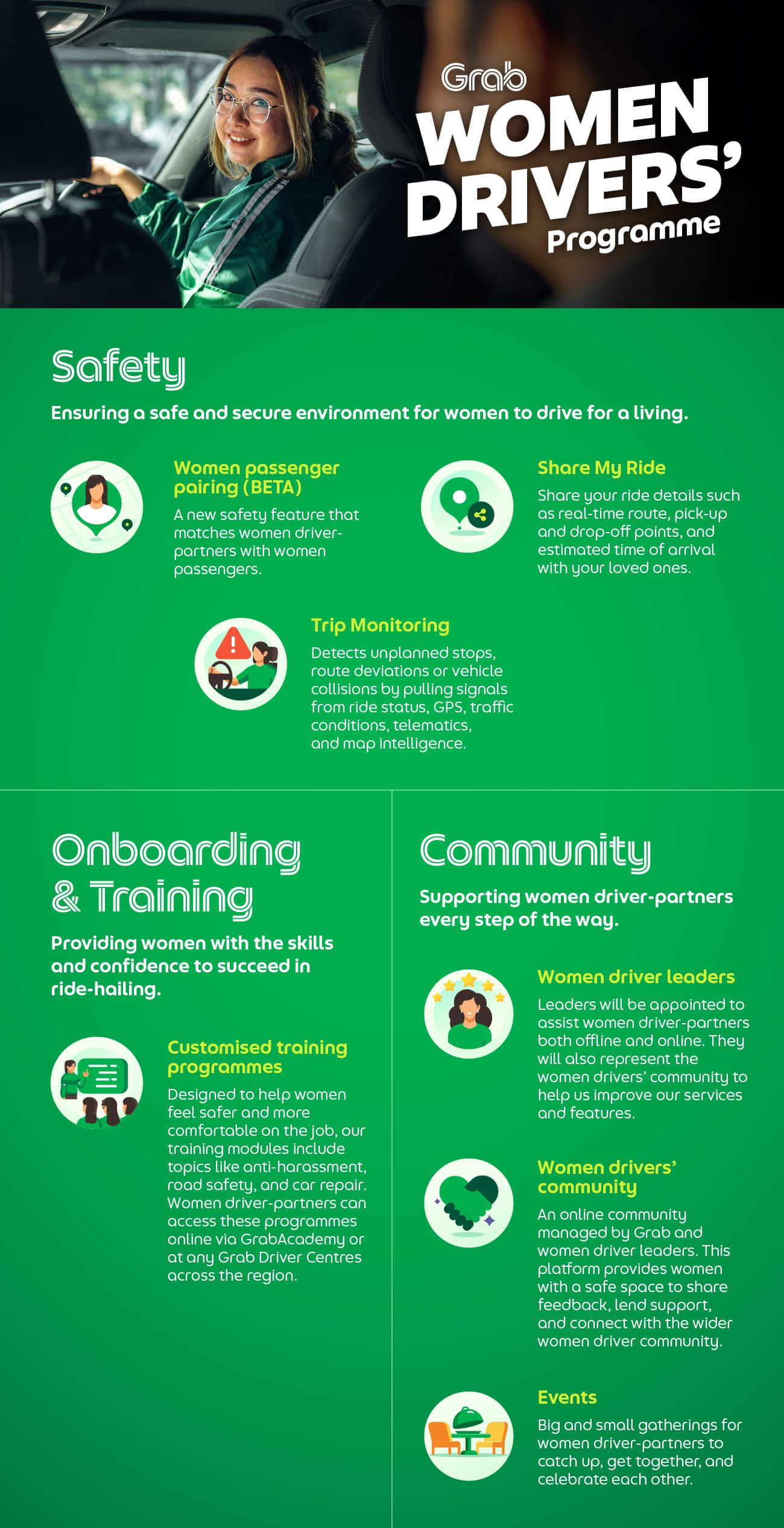
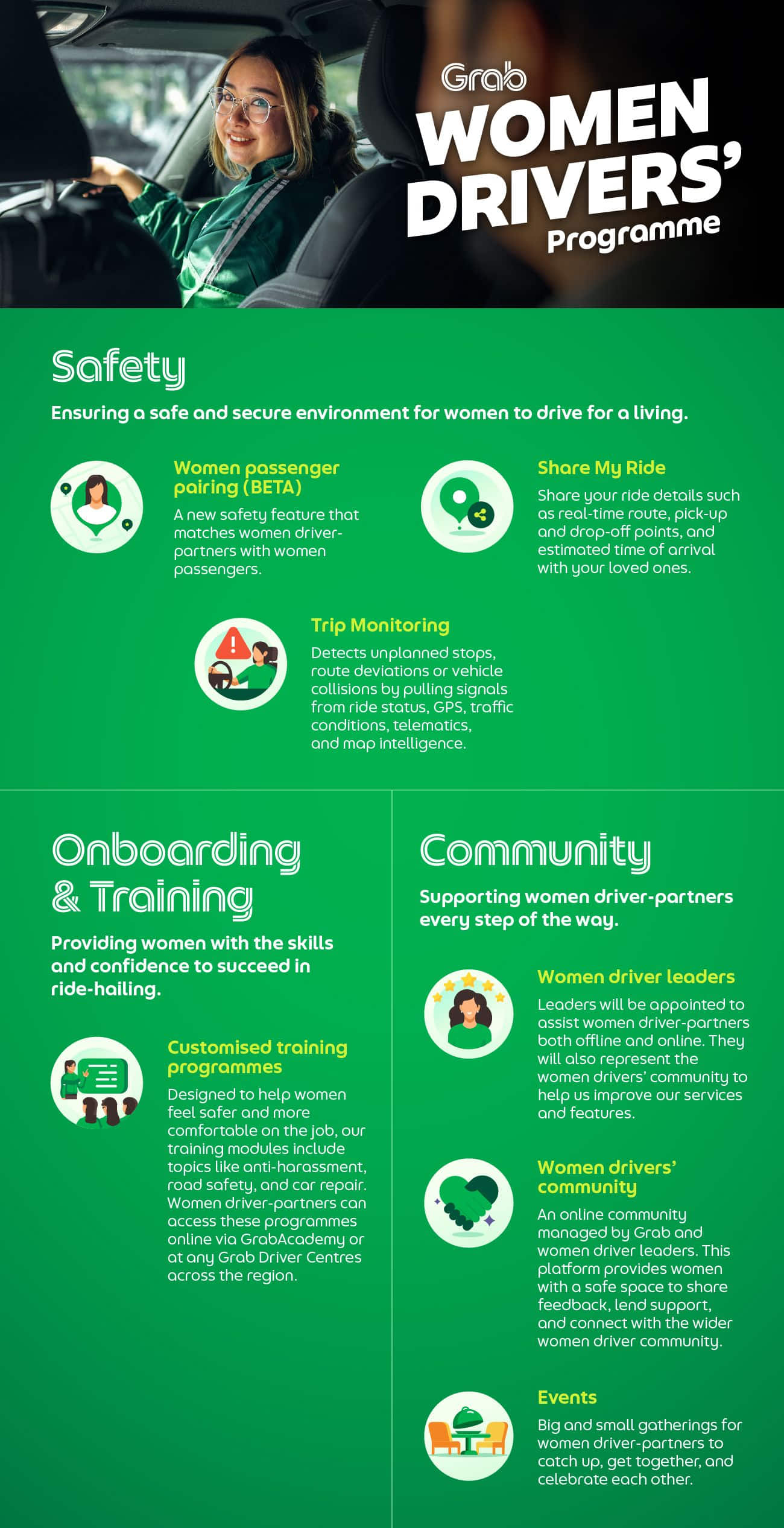
This isn’t a fantasy. It’s a response to a systemic failure. Studies have shown that women are far more likely to alter their routes, avoid certain times of day, or even forgo transportation altogether due to safety concerns. A feminist rideshare doesn’t just promise a ride—it promises a sanctuary on wheels, where the driver’s gender isn’t a random assignment but a deliberate choice. The vehicles aren’t just cars; they’re mobile havens, equipped with features like real-time tracking shared with trusted contacts, panic buttons discreetly tucked into the dashboard, and drivers trained to recognize distress—not just mechanically, but empathetically.


Drivers as the New Guardians of the Night
The driver is the linchpin of this feminist rideshare ecosystem. She isn’t just a gig worker punching in and out of shifts; she’s a sentinel, a first responder to the unspoken anxieties of her passengers. Training isn’t just about navigation or customer service—it’s about recognizing the signs of distress, knowing when to call for backup, and understanding that a passenger’s silence isn’t always compliance. These drivers are often women who’ve themselves navigated the same streets, who’ve felt the weight of a stranger’s gaze or the chill of an unwelcome advance. Their presence alone disrupts the power dynamics that have long made ridesharing a gamble for women.
But it’s not just about gender. It’s about intention. A feminist rideshare driver doesn’t just ferry passengers from one place to another; she creates a microcosm of trust. Passengers aren’t just customers—they’re participants in a collective act of defiance. The driver’s role extends beyond the trip: she might share resources for local women’s shelters, offer advice on safe nightlife spots, or simply listen when a passenger needs to vent. In a world where women’s voices are so often dismissed, here, they are amplified.
The Passenger’s Paradox: Safety in Sisterhood
For passengers, the experience is nothing short of revolutionary. No more white-knuckled rides, no more rehearsed excuses to end a trip early. Instead, there’s a sense of agency—the power to choose who drives you, to know that your safety is the priority, not an afterthought. The app’s interface itself is a study in intentional design: no blurred driver photos, no vague reassurances about “community standards.” Instead, there are bios, ratings from other women, and real-time updates on the driver’s location shared with a designated contact.
This isn’t just about avoiding bad experiences; it’s about redefining what a good one looks like. Imagine a ride where the driver asks about your day, where the conversation isn’t transactional but transformative. Where the destination isn’t just a place, but a step toward reclaiming the night. The feminist rideshare doesn’t just transport bodies—it moves minds, shifting the narrative from fear to freedom.
Challenging the Status Quo: Can Capitalism Be Feminist?
Of course, no revolution comes without its detractors. Skeptics will argue that a feminist rideshare is just another niche service, preaching to the converted while the rest of the world moves on. But that misses the point. This isn’t about exclusion; it’s about inclusion on terms that prioritize safety, dignity, and mutual respect. Traditional rideshare models have thrived on the illusion of neutrality, but neutrality in a patriarchal society is just another word for complicity.
The real question isn’t whether this model can scale—it’s whether the scales themselves need to be burned and reforged. Can a rideshare service be profitable while centering women’s needs? The answer lies in the data: women control 80% of household purchasing decisions. They’re not just a demographic; they’re a movement. Brands that ignore this do so at their peril. The feminist rideshare isn’t just a service; it’s a statement that the market can—and must—adapt to the needs of those it has long marginalized.
The Road Ahead: A Blueprint for Change
The success of a feminist rideshare isn’t measured in profit margins or user growth alone. It’s measured in the stories of women who no longer have to choose between convenience and safety. It’s measured in the quiet revolution of a late-night ride where a passenger finally exhales, knowing she’s not alone. This is just the beginning. The model can—and should—expand: partnerships with women-owned businesses, collaborations with local advocacy groups, and even integration with public transit to create a seamless network of safety.
But the most radical promise of all? That one day, a rideshare service won’t need to be labeled “feminist” because safety, respect, and dignity will be the default—not the exception. Until then, the wheels keep turning, and the revolution rolls on.









Leave a Comment