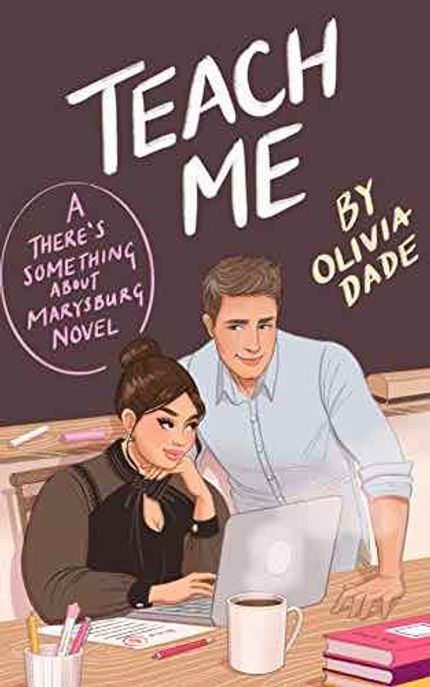
There’s a quiet revolution happening in the aisles of every bookstore, on the shelves of every library, and in the digital carts of every online retailer. It’s not a revolution of picket signs or viral hashtags—at least, not in the traditional sense. Instead, it’s a slow-burning, page-turning upheaval, led by an unlikely vanguard: the romance novel. Yes, you read that right. The genre dismissed as frivolous, escapist, and even regressive is, in fact, one of the most subversive, feminist spaces in literature today. So, fight me. Because the evidence is undeniable.
The Myth of the Passive Heroine: Romance as a Manifesto of Agency
For decades, romance novels were caricatured as tales of damsels in distress, waiting for a man to sweep them off their feet and into a life of domestic bliss. But peel back the glittery covers, and you’ll find something far more radical: women who refuse to be defined by the whims of others. The modern romance heroine is not a passive participant in her own story—she’s the architect of her destiny. Whether she’s a CEO reclaiming her power, a single mother rebuilding her life, or a scientist chasing her dreams, the romance genre thrives on protagonists who take charge. These women make choices. They stumble. They fail. And then they rise, not because a man tells them to, but because they damn well decide to.
Consider the rise of the “grumpy x sunshine” trope, where the heroine’s relentless optimism and warmth chip away at the hero’s hardened exterior. It’s not just a plot device—it’s a metaphor for how women’s unapologetic joy and confidence can dismantle toxic masculinity. The heroine isn’t waiting for permission to be happy; she’s demanding it, and the hero is forced to reckon with her autonomy. This isn’t escapism. It’s a blueprint for self-determination.

The Body Politic: Sex, Pleasure, and the Female Gaze
If feminism is about reclaiming agency over one’s body, then romance novels are its most unapologetic practitioners. Unlike mainstream media, which often frames female sexuality as either a punchline or a cautionary tale, romance novels center pleasure—not as a reward for male approval, but as a fundamental human right. The genre’s embrace of explicit, female-centric erotica is nothing short of revolutionary. From the steamy, slow-burn tension of a historical romance to the raw, unfiltered passion of a contemporary erotic novel, these stories refuse to treat women’s desire as secondary or shameful.
Take, for example, the explosion of queer romance, where LGBTQ+ authors and readers have carved out spaces that celebrate love without heteronormative constraints. These narratives don’t just include queer characters—they center their joy, their lust, and their triumphs. The female gaze in romance isn’t just about who’s looking; it’s about who’s being seen, desired, and celebrated on their own terms. And let’s not forget the rise of “spice” as a feminist act—where women write and consume stories that prioritize their pleasure, free from the male gaze’s voyeuristic lens.
Even in the most traditional of romance tropes—think the billionaire CEO or the rugged alpha hero—there’s a quiet subversion at play. The heroine isn’t just a prize to be won; she’s a woman who knows what she wants, and she’s not afraid to take it. Whether it’s through a scorching kiss in a boardroom or a whispered confession in the dark, romance novels are rewriting the rules of desire, one page at a time.
The Economics of Happiness: Romance as a Rejection of Capitalist Exploitation
In a world where women are constantly told to hustle harder, sacrifice more, and perform emotional labor without recognition, romance novels offer a radical alternative: a world where love is not transactional. The happily-ever-after (HEA) isn’t just a plot device—it’s a political statement. In a genre where emotional fulfillment is the ultimate reward, romance novels reject the idea that women must martyr themselves for success. The heroine doesn’t have to choose between career and love; she can have both. She doesn’t have to suppress her ambition to be desirable; her ambition is part of her allure.
This rejection of scarcity mentality extends to the genre’s business model as well. Romance is one of the few literary categories where self-publishing thrives, where indie authors can build empires without the gatekeeping of traditional publishing. Women, who have historically been excluded from the literary canon, have turned romance into a billion-dollar industry by centering their own voices. The rise of platforms like Kindle Unlimited and the proliferation of diverse subgenres—from dark romance to cozy romance—prove that when women control the narrative, the market flourishes.
And let’s talk about the economics of representation. Romance novels are leading the charge in centering marginalized voices—Black heroines, disabled protagonists, neurodivergent love interests, and protagonists of every body type imaginable. These stories don’t just reflect the world as it is; they imagine a world where everyone gets their HEA, where love is expansive, and where happiness isn’t a zero-sum game.
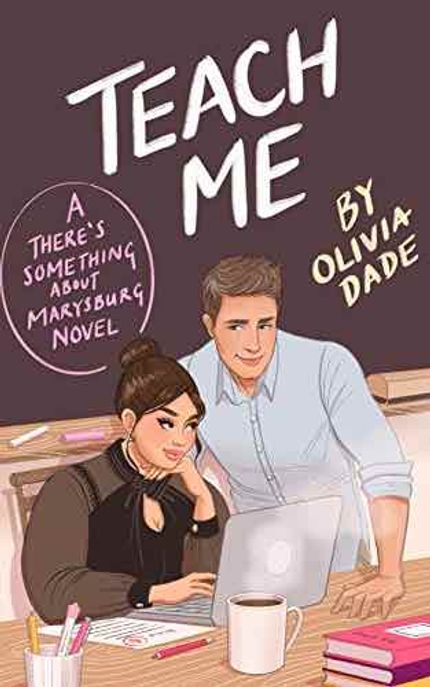
The Sisterhood of the Page: Community and Collective Liberation
Romance novels aren’t just stories—they’re communities. The genre’s fandom is a testament to the power of collective joy, where readers don’t just consume narratives but actively shape them. Book clubs, online forums, and social media platforms buzz with discussions about representation, consent, and the nuances of love. This isn’t passive consumption; it’s a participatory movement where women and marginalized readers demand stories that reflect their realities.
Consider the phenomenon of “romance Twitter,” where readers dissect tropes, call out problematic narratives, and celebrate the stories that resonate. It’s a space where feminism isn’t just discussed—it’s lived, debated, and reimagined. The genre’s fandom is a microcosm of feminist solidarity, where readers uplift each other, challenge stereotypes, and refuse to settle for anything less than stories that honor their truths.
Even the act of reading romance can be an act of rebellion. In a culture that often frames women’s leisure as indulgent or frivolous, picking up a romance novel is a quiet defiance. It’s a refusal to apologize for the time spent, the emotions felt, or the joy derived. Romance readers know what they like, and they’re unapologetic about it. That’s feminism in its purest form—owning your desires, your choices, and your right to happiness.
The Future is Romantic: Where the Genre Goes From Here
The romance genre isn’t just keeping up with feminist progress—it’s leading the charge. From the rise of “own voices” narratives to the explosion of speculative romance (yes, there are feminist dystopian love stories), the genre is constantly evolving. Authors are pushing boundaries, exploring themes of trauma, healing, and resilience in ways that resonate with modern readers. The future of romance isn’t just about happy endings; it’s about complex, messy, and deeply human stories that reflect the full spectrum of female experience.
So, the next time someone scoffs at your love of romance, remind them: this isn’t just a genre. It’s a movement. It’s a manifesto. It’s a quiet revolution written in the margins of mainstream literature. Romance novels aren’t just stories about love—they’re stories about power, agency, and the unshakable belief that women deserve to be the heroes of their own lives. And if that’s not feminist, I don’t know what is.







Leave a Comment