
The modern gym is a temple of contradictions—a place where strength is worshipped, yet bodies are scrutinized, where empowerment is preached, yet conformity is demanded. In this hallowed space of clanging weights and grunting exhales, one woman dared to rewrite the script. She didn’t just challenge the aesthetics of fitness; she dismantled the entire ideology of it. Her body-neutral fitness program wasn’t just another workout trend—it was a quiet revolution, a subversive act of reclaiming autonomy over one’s own flesh. And the gym bros? They were left utterly, deliciously confused.
The Body as a Battleground: Where Fitness Became a Moral Crusade
Fitness culture has long been a moralizing force, a secular sermon where discipline is virtue and flabbiness is sin. The gym, that cathedral of sweat and mirrors, has become a space where bodies are not just trained but judged—where the six-pack is a badge of honor and cellulite is a scarlet letter. This is the tyranny of the “ideal,” a regime enforced not by kings or priests, but by the collective gaze of strangers and the echoing voices of influencers selling detox teas and ab-toning gadgets.
She saw through the illusion. Fitness, she realized, had been co-opted by capitalism’s obsession with productivity, where every squat and sprint was just another metric to prove one’s worth in a world that demands constant optimization. The body was no longer a vessel of experience but a project to be perfected—a machine to be fine-tuned for the gaze of others. And so, she set out to reclaim it.


The Radical Act of Neutrality: Why “Body Neutral” Was a Four-Letter Word
To the uninitiated, “body neutrality” sounds like surrender. To the initiated, it is a middle finger to the entire fitness industrial complex. While body positivity has been watered down into a marketable aesthetic—think pastel hashtags and curated Instagram feeds—body neutrality rejects the very premise of needing to feel anything about one’s body at all. It is not about loving your thighs; it is about ceasing to wage war against them. It is not about performing strength for the camera; it is about strength as an internal compass, untethered from external validation.
Her program didn’t peddle the fantasy of transformation. There were no before-and-after photos, no promises of “toning” or “sculpting.” Instead, there were exercises designed to feel good, not look good. Movements that celebrated capacity over appearance. A squat wasn’t about shaping a perfect glute; it was about the joy of bending, of grounding, of existing in one’s body without apology. The gym bros, raised on the dogma of suffering for results, were baffled. Where were the grueling HIIT sessions? Where were the protein shakes and the mirror selfies? This wasn’t fitness as they knew it—it was fitness as rebellion.
The Mirror’s Curse: How Gym Culture Turned Bodies Into Spectacles
The gym mirror is a lie. It doesn’t reflect reality; it reflects an ideal—a distorted, Photoshopped fantasy sold by supplement companies and athleisure brands. Every glance at that reflective surface is an invitation to compare, to critique, to internalize the message that your body is never enough. She understood this. She knew that the first step in dismantling the system was to remove the mirror itself—not physically, but psychologically. Her program encouraged participants to turn away from the glass, to focus inward, to move without the constant reminder that their bodies were being watched, judged, commodified.
This was not an easy sell. The gym is a theater, and the audience is always present, even when no one is looking. To ignore the mirror is to reject the performance. It is to say: *I am not here for your approval.* The gym bros, who had spent years perfecting their poses, found this concept utterly alien. Their workouts were rituals of vanity, each rep a step toward the altar of Instagram. But neutrality? Neutrality was a threat to the entire spectacle.
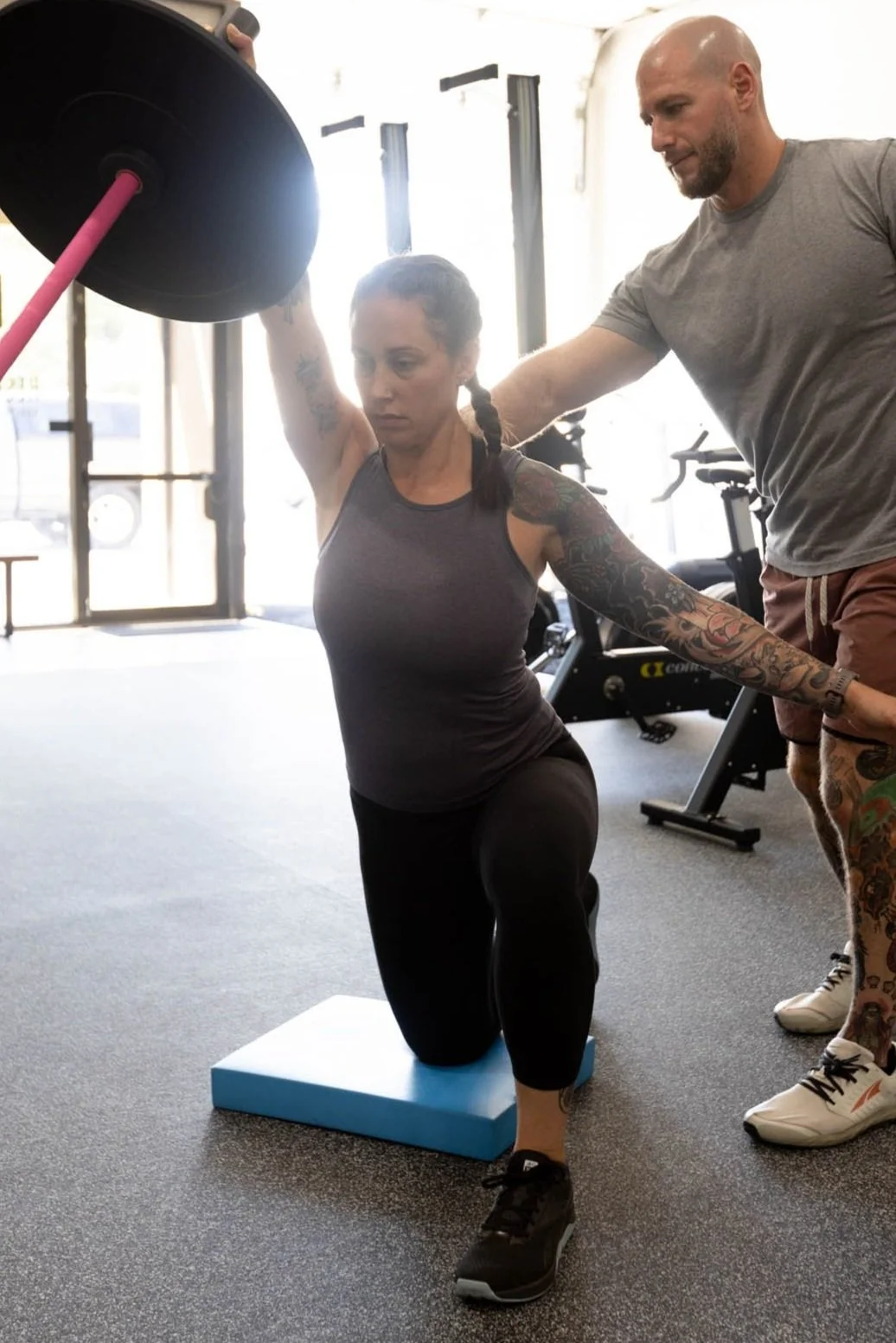
The Language of Strength: Redefining Power Beyond the Visible
Strength, in the traditional gym lexicon, is a visual currency. It is measured in the circumference of biceps, the definition of abs, the symmetry of shoulders. But what if strength isn’t something you can see? What if it’s the quiet resilience of a body that has endured, that has adapted, that has survived? Her program redefined strength not as a spectacle, but as a lived experience. A body that could carry groceries up three flights of stairs without wheezing. A body that could hold a child without back pain. A body that could dance without self-consciousness.
This was a radical departure from the cult of the “beach body.” It was a rejection of the idea that only certain bodies deserved to be strong, that only certain bodies were worthy of admiration. The gym bros, who had spent years chasing the illusion of dominance through visible muscle, were forced to confront a truth they had never considered: *What if the strongest body is the one that doesn’t need to prove itself?*
The Backlash: When Neutrality Became a Provocation
Revolutions are never met with open arms. When she introduced her body-neutral program, the pushback was immediate. “Where’s the motivation?” they asked. “Where’s the challenge?” they demanded. “This isn’t real fitness,” they sneered. The criticism wasn’t just about the program—it was about the threat it posed to the entire ecosystem of gym culture. If people stopped chasing the ideal, who would buy the supplements? Who would sign up for the expensive classes? Who would scroll endlessly through transformation stories?
But the most telling reaction came from the men who felt personally affronted by the idea that fitness didn’t have to be a performance. Their confusion wasn’t just about the method; it was about the audacity of a woman suggesting that their bodies—*their* bodies—were not the standard. That their metrics of success were arbitrary. That their entire worldview was built on a lie. And so, they dismissed it as “not real fitness,” a phrase that, in gym culture, is code for *not for us.*
The Quiet Triumph: When the Revolution Was Internal
She didn’t set out to convert the gym bros. She set out to free the women who had been told, in a thousand subtle ways, that their bodies were projects to be fixed. And in that, she succeeded. Her program wasn’t about changing the world; it was about changing the way individuals experienced their own flesh. It was about teaching women to move without apology, to sweat without shame, to exist without the burden of being “enough.”
The real victory wasn’t in the confused stares of the gym bros or the dismissive comments on her social media. It was in the woman who, for the first time, lifted a weight not to change her body, but to feel its power. It was in the participant who, after years of hating her reflection, finally looked in the mirror and saw a person, not a project. It was in the quiet revolution of a single body learning to occupy space without asking for permission.
Fitness, at its core, is not about the body you see in the mirror. It is about the body you feel beneath your skin. And that, dear gym bros, is a revolution you will never understand.










Leave a Comment