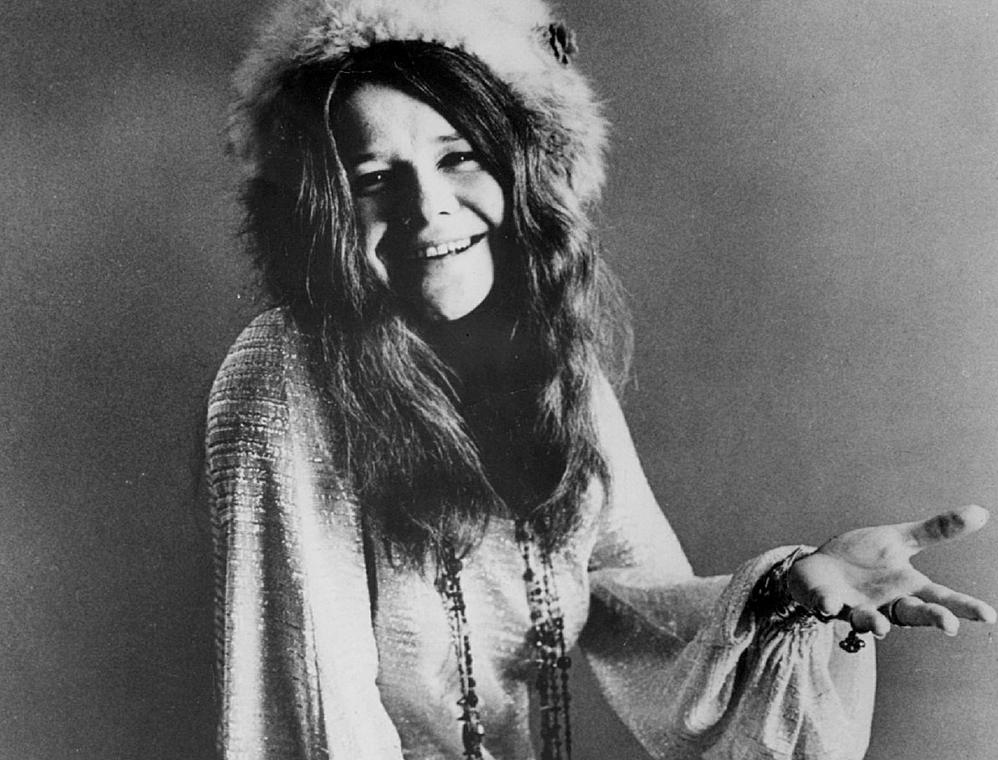
Rock and roll is not just a genre—it’s a revolution, a sonic Molotov cocktail hurled at the gates of conformity. But who lit the fuse? Who stoked the flames until the world could no longer ignore the inferno? The answer is as raw as the music itself: women. From the smoldering blues of Ma Rainey to the electric defiance of Joan Jett, rock and roll was not built in a garage by rebellious boys with leather jackets. It was forged in the crucible of women’s unapologetic voices, their unshakable rhythms, and their refusal to be silenced. This is the untold story of how rock and roll owes its very existence to the women who dared to scream, strum, and shake the foundations of a world that tried to keep them quiet.
The Matriarchs of the Blues: The Foundations of Fire
Before rock and roll had a name, it had a heartbeat—and that heartbeat was black, female, and unrelenting. The blues, the genre’s DNA, was not some polished, sanitized art form. It was the sound of survival, of bodies broken by Jim Crow and spirits unbroken by oppression. Women like Bessie Smith, with her voice like a velvet-covered sledgehammer, and Memphis Minnie, whose guitar riffs could shatter glass, laid the groundwork for rock’s raw power. They sang of heartbreak, of betrayal, of the kind of pain that could only be soothed by a backbeat that demanded you move, even if it was just to survive the next day.
Their music was not background noise. It was a war cry. When Bessie Smith growled, “I ain’t good lookin’, but I’m somebody’s angel child,” she wasn’t asking for approval. She was declaring her worth in a world that treated her like property. This was the first wave of rock’s rebellious spirit—not in the leather-clad swagger of later eras, but in the quiet, seething defiance of women who knew their power and refused to dim it for anyone’s comfort.
The Electric Eves: When Women Plugged In and Turned It Up
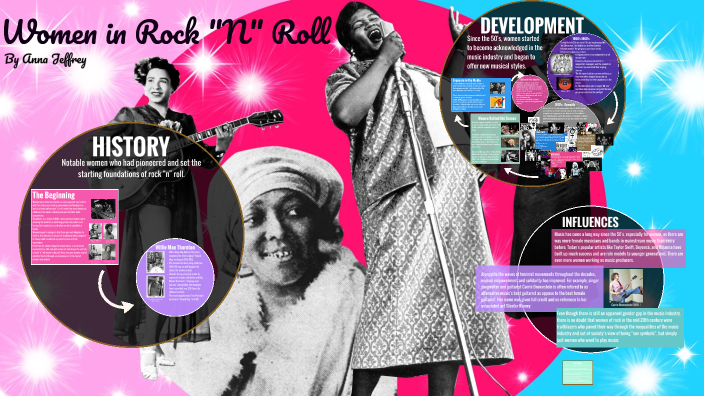
The 1950s and 60s saw rock and roll evolve from a whisper to a scream—but the scream was not a solo act. Women like Sister Rosetta Tharpe, the godmother of rock guitar, were already shredding on electric guitars while Elvis was still gyrating in his blue suede shoes. Tharpe’s fingers moved like lightning, her voice like thunder, and her influence? Pivotal. Without her, Chuck Berry’s duck walk might have been a limp, and Elvis’s pelvis might have stayed in the closet. She was the bridge between gospel’s holiness and rock’s rebellion, proving that divinity and defiance were not mutually exclusive.
Then came the 1970s, and the women of rock stopped asking for the stage—they took it. Janis Joplin’s voice was a hurricane, a force of nature that could strip the paint off walls. Stevie Nicks’ witchy, hypnotic croon turned Fleetwood Mac into a phenomenon that still haunts the dreams of anyone who hears it. And let’s not forget Patti Smith, the poet-punk who howled her way into the annals of rock history with a microphone as her scepter and a typewriter as her throne. These women didn’t just play rock—they redefined what rock could be: a space for the unhinged, the unapologetic, the untamed.

The Punk Paradox: When Women Turned Anger Into Anthems
Punk rock was supposed to be the great equalizer—a genre where anyone with a guitar and a middle finger could dismantle the status quo. But for women, punk wasn’t just a rebellion; it was survival. Bands like The Runaways, with Joan Jett’s sneer and Cherie Currie’s leather-clad ferocity, proved that rock didn’t need to be polished to be powerful. It just needed to be honest. And honest, in punk, meant brutal. The Slits, with their jagged rhythms and lyrics that cut deeper than any knife, sang about feminism, racism, and the suffocating expectations of womanhood. Their music was a Molotov cocktail wrapped in a safety pin.
Punk was the genre where women could be ugly, could be loud, could be everything society told them they shouldn’t be. And in that ugliness, in that noise, was a kind of freedom. No more waiting for permission to take up space. No more smiling sweetly while the world told them to shrink. Punk was the sound of women saying, “We will not be your quiet.” It was the sound of a generation realizing that the only way to be heard was to scream.
The Modern Witches: How Women Are Redefining Rock’s Future
Today, rock and roll is not dead—it’s evolving, and women are at the helm of its next evolution. Artists like St. Vincent, with her avant-garde guitar work and androgynous swagger, are pushing the boundaries of what rock can sound like. Florence Welch’s voice is a cathedral of sound, a place where gothic romance and raw power collide. And then there’s Brittany Howard, whose voice can make you weep and then punch you in the gut, all in the same breath. These women are not just carrying the torch—they’re setting it ablaze in new directions.
But it’s not just about the music. It’s about the message. In an era where women’s rights are under siege, where bodily autonomy is a political football, and where the patriarchy still tries to dictate what women should wear, sing, or say, these artists are refusing to be boxed in. They’re reclaiming the narrative, turning rock into a weapon, a shield, a sanctuary. They’re proving that rock and roll was never just a boys’ club—it was always a sisterhood, a coven, a rebellion.

The Unfinished Symphony: Why We Still Need Women in Rock
So why does this matter now? Because the story of rock and roll is still being written, and women are still fighting to have their voices heard. The Rock and Roll Hall of Fame has inducted more men than women, and the ones who do get in are often reduced to footnotes in a history dominated by male egos. But the truth is this: without women, rock and roll would be a skeleton, a hollowed-out relic of what it once was. It would lack the fire, the fury, the unapologetic soul that makes it timeless.
The next time you hear a power chord ring out, the next time you feel your body move to a beat that demands you surrender, remember this: it was a woman who taught the world how to scream. It was a woman who showed us that vulnerability could be strength. It was a woman who proved that rock and roll wasn’t just a sound—it was a revolution. And the revolution is far from over.






Leave a Comment