
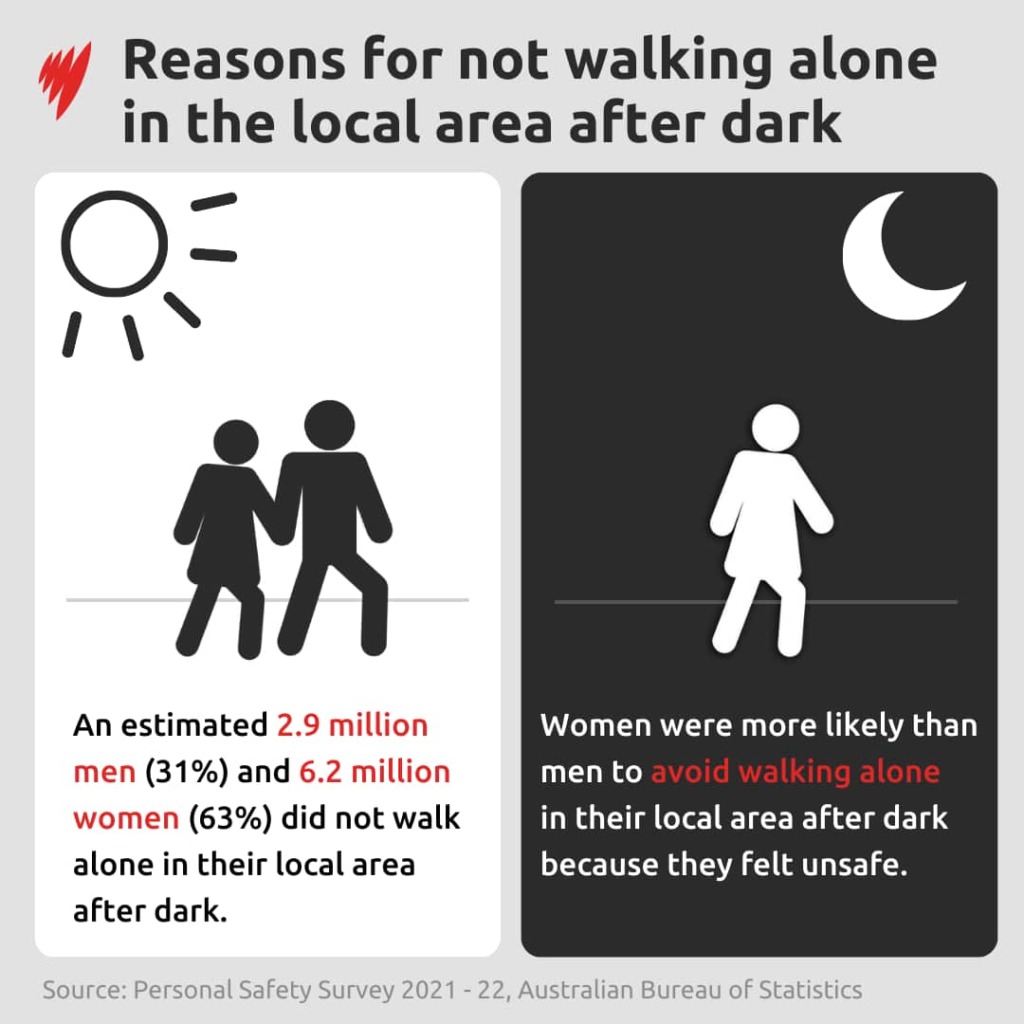
In the labyrinthine corridors of urban development, where concrete arteries pulse with the rhythm of progress, a quiet revolution is unfolding. It is not the clamor of bulldozers or the fanfare of groundbreaking ceremonies, but the deliberate, unyielding insistence of women reshaping the very foundations of city planning. These visionaries—architects, policymakers, activists—are not merely adding women’s safety as an afterthought; they are centering it, weaponizing design against the specter of fear that haunts half the population after dusk. This is the story of how women are not just reclaiming public spaces but redesigning them to be sanctuaries of autonomy, where fear is not a fixture but a relic.
The Illusion of Neutrality: Why City Planning Has Always Been a Gendered Battleground
For decades, urban landscapes have been sculpted by a default male gaze, where wide roads and towering skyscrapers were celebrated as symbols of modernity, while the narrow alleys and poorly lit streets where women navigate daily were dismissed as “inevitable” trade-offs. The myth of neutrality in city planning is a lie—a patriarchal fiction that assumes public space is equally accessible to all, when in reality, it is a minefield of microaggressions and outright danger. Women have long been treated as temporary occupants of urban environments, their presence tolerated but their safety secondary to the convenience of men. The result? Cities that are hostile territories, where the simple act of walking home at night becomes a calculated risk.
Consider the bench. A mundane object, yet one that reveals the gendered fault lines of design. Public benches, when placed in isolation, become traps—spaces where women are forced into vulnerable positions, their backs exposed, their escape routes limited. The absence of seating in well-lit, social hubs is not an oversight; it is a design choice that prioritizes the transient needs of commuters over the lingering needs of residents. Women, who are more likely to use public spaces for rest or socialization, are thus rendered invisible in the very landscapes they inhabit.
Light as a Weapon: Illuminating the Shadows of Fear
If darkness is the accomplice of harassment, then light is its nemesis. Women-led urban design movements have waged war on the shadows that cloak public spaces, demanding lighting that does more than illuminate—it must empower. The shift is not merely technical but ideological: lighting is no longer a passive amenity but an active deterrent. LED strips along pedestrian pathways, motion-activated lights in parking garages, and the strategic placement of lampposts to eliminate blind spots are not luxuries but necessities. Yet, the battle extends beyond visibility. The quality of light matters. Harsh, sterile illumination can feel oppressive, while warm, diffused lighting invites lingering and connection. Women planners are pioneering “tactile lighting”—systems that respond to human presence, shifting in color and intensity to create a sense of safety without sacrificing comfort.
Take the case of a revitalized plaza in a mid-sized city, where women-led designers replaced the original harsh floodlights with a constellation of low-wattage, amber-hued LEDs. The change was not cosmetic. Crime rates dropped. Foot traffic surged. But more importantly, the space transformed from a transit zone into a destination—one where women could linger without the gnawing anxiety of being watched. This is the power of light: it does not just reveal the path forward; it carves out a space where women can claim their right to exist in public without apology.
Wayfinding as Resistance: Maps That Don’t Betray You
Navigating a city should not feel like deciphering a code written by and for men. Yet, for women, wayfinding is often a gauntlet of misdirection—streets named after men, landmarks that erase women’s histories, and transit maps that prioritize speed over safety. Women-led urban planners are dismantling this infrastructure of erasure, replacing it with systems that prioritize clarity, community, and care. The new wayfinding is not just about getting from point A to B; it is about ensuring that the journey is not a trial.
Imagine a city where every subway map includes not just stations but “safe zones”—areas with active surveillance, frequent police patrols, or community watch programs. Where pedestrian routes are marked not just by distance but by risk assessment, with alternative paths highlighted for nighttime travel. Where public art installations double as landmarks, celebrating women’s contributions to history and culture. This is wayfinding as resistance: a refusal to accept that women must navigate urban spaces as if they are guests in their own cities. It is a demand for maps that do not betray them.
The Politics of Seating: Why Benches Are a Feminist Issue
In the hierarchy of urban furniture, the bench is a silent tyrant. Its placement dictates who belongs in public space and who is merely passing through. Women planners have exposed the bench as a tool of exclusion, where its absence in residential areas forces women to retreat indoors or risk discomfort. The solution? A radical reimagining of seating as a right, not a privilege. This means benches that are not just functional but inviting—curved backs for easy conversation, armrests to prevent sleeping, and materials that retain warmth in winter. It means seating that is not concentrated in transit hubs but dispersed in parks, along riversides, and in quiet corners of neighborhoods. It means benches that are not just for rest but for resistance—a physical assertion that women have the right to occupy public space on their own terms.
In one European city, a women-led collective transformed a series of neglected benches into “conversation corners,” where seating was arranged in circles to encourage social interaction. The result? A 40% increase in female foot traffic in the area. The message was clear: when women are given spaces to linger, they claim them. When they are given seating that respects their needs, they thrive.
Transit as a Feminist Act: Redesigning Mobility for All Bodies
Public transit is the circulatory system of a city, yet for women, it is often a site of harassment, discomfort, and exclusion. The solution is not just more trains or buses but a fundamental rethinking of mobility as a feminist issue. This means buses with dedicated women-only sections, train cars with better lighting and emergency buttons, and transit schedules that align with women’s rhythms—not just the 9-to-5 grind. It means designing stations with clear sightlines, where no corner is left unmonitored. It means acknowledging that women’s mobility is not a secondary concern but a cornerstone of urban vitality.
In Tokyo, a women-only train car during rush hour reduced harassment by 70%. In Vienna, “night-time women’s buses” have become a model for cities worldwide, offering safe passage for those who work late or socialize after dark. These are not niche solutions; they are blueprints for a future where transit is not just efficient but equitable. Where the act of commuting is not a gamble but a guarantee of safety.
The Future is Feminist: What’s Next for Women-Led Urban Design
The revolution in city planning is far from over. The next frontier? Smart cities that listen to women. Imagine urban apps that crowdsource safety data in real-time, where women can report harassment hotspots and receive alternative route suggestions. Imagine buildings with “panic rooms” not as last resorts but as standard features, designed to be both functional and aesthetically integrated. Imagine cities where the absence of women in planning rooms is as unacceptable as the absence of elevators in a skyscraper.
This is not utopian dreaming. It is happening now, in pockets of resistance across the globe. From Bogotá’s “women’s buses” to Vienna’s gender-sensitive urban planning guidelines, the evidence is clear: when women lead the design of public spaces, everyone benefits. Crime drops. Economies thrive. Communities flourish. The cities of the future will not be built on the backs of the marginalized but on the shoulders of those who have long been ignored. They will be places where fear is not a design flaw but a relic of the past.
So the next time you walk down a well-lit street, sit on a bench that cradles your back, or board a train where you feel safe, ask yourself: Who made this possible? The answer is not just architects or engineers. It is the women who refused to accept the status quo. It is the feminists who turned city planning into a battleground—and won.









Leave a Comment