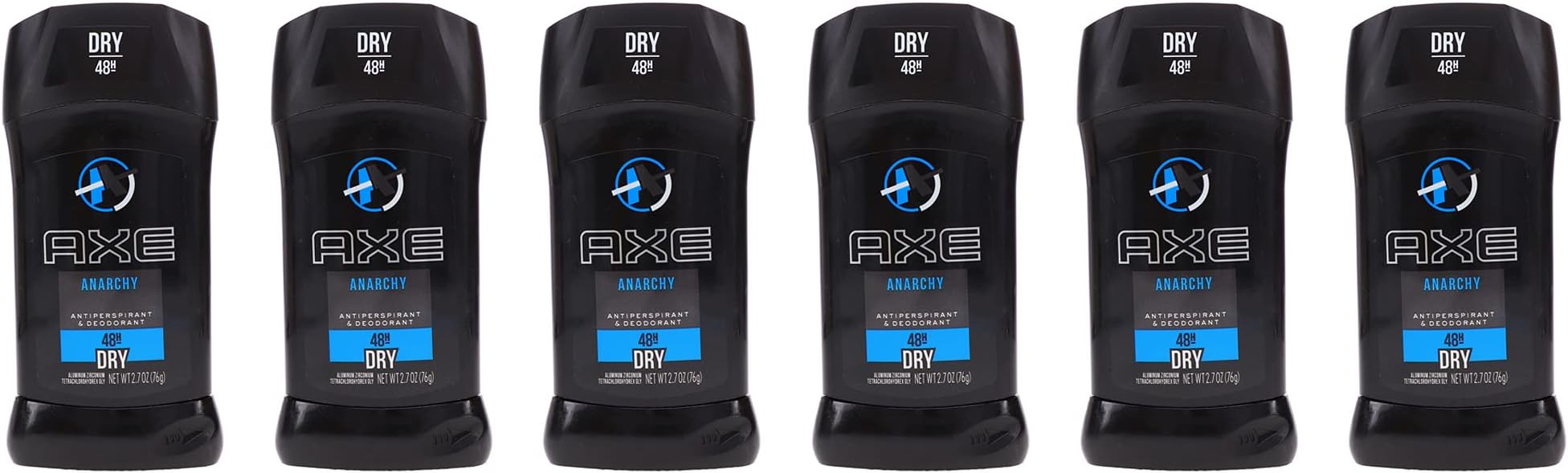
What does toxic masculinity smell like? If you’ve ever walked past a locker room, a frat house, or—let’s be honest—a middle school boy’s bedroom, the answer might hit you like a cloud of Axe Body Spray: cloying, synthetic, and suffocatingly sweet. It’s the scent of a performance. A desperate attempt to mask insecurity with something that smells like rebellion, confidence, and sex—all in a can. But peel back the label, and you’ll find not liberation, but a toxic miasma that poisons everyone, especially the boys and men who are told this is what they must become.
The Illusion of Scent: How Axe Sells a Fantasy of Manhood
Walk into any drugstore. There it sits, row upon row of Axe bottles—each one a tiny shrine to the myth of masculinity as conquest. The packaging promises transformation: from invisible to irresistible. From awkward to alpha. From boy to man. But the transformation is an illusion, a chemical sleight of hand. The spray doesn’t change who you are. It just makes you smell like someone who’s been told they have to perform dominance to be worthy.
And that’s the real trick. Toxic masculinity isn’t a natural state. It’s a script. One written by marketing executives, locker-room lore, and a culture that equates self-worth with suppression—of emotions, of vulnerability, of anything that might make you seem “less than.” Axe doesn’t sell body spray. It sells the idea that masculinity is a performance, and that performance requires a scent. A signature. A brand. But the scent is a lie. It’s the smell of a cage disguised as cologne.

Toxic Masculinity as a Public Health Crisis
We don’t often think of toxic masculinity as a health issue. But it is. A slow-motion pandemic of emotional illiteracy, violence, and self-destruction. Studies show that boys who internalize rigid gender norms are more likely to engage in risky behaviors—from binge drinking to unsafe sex to suicide. The scent of Axe isn’t just on their skin. It’s in their expectations. In their silence. In the way they learn to swallow tears and spit out anger.
Toxic masculinity doesn’t just harm women and girls. It destroys men. It tells them that strength means never asking for help. That love is weakness. That intimacy is a betrayal of their “manhood.” And when they can’t live up to the fantasy, they blame themselves—or worse, they blame others. The result? A generation of men who are emotionally paralyzed, socially isolated, and increasingly violent when their fragile egos are threatened.
We need to treat this like the emergency it is. Not with more cologne ads. Not with more locker-room bravado. But with education. With empathy. With the courage to say: “You don’t have to smell like Axe to be a man. You just have to be human.”
The Axe Effect: How Advertising Reinforces Harmful Norms
Look closely at an Axe ad. The women are always laughing. The men are always smirking. The message is clear: buy this, act this way, and women will flock to you. It’s a transactional view of relationships—love as a reward for performing masculinity. But real connection isn’t transactional. It’s mutual. It’s messy. It’s human.
And yet, these ads persist. Because they work. Not because they’re true, but because they prey on insecurity. They tell boys that their worth is measured in attraction, in dominance, in the number of heads they turn. They turn vulnerability into a flaw. They turn kindness into a joke. They turn masculinity into a product—and boys into consumers of a lie.
We’ve normalized this. We’ve laughed at the ads. We’ve mimicked the poses. We’ve even bought the spray. But normalization doesn’t make it right. It just makes it harder to see the damage. The Axe effect isn’t just about sales. It’s about shaping how a generation defines itself. And that’s a responsibility no corporation should have.

Breaking the Scent: Toward a New Masculinity
So how do we break the spell? How do we help boys and men step out of the fog of Axe-scented expectations and into something real? It starts with language. We need to stop calling emotional men “soft.” We need to stop praising aggression as leadership. We need to stop equating silence with strength.
It continues with representation. Show boys that men can cry. That men can cook. That men can love deeply without fear. That men can be gentle. That men can be flawed. That men can be human. Because real strength isn’t in the bottle. It’s in the heart.
And it demands accountability. From parents. From educators. From media. From each other. We can’t just laugh at the Axe ads anymore. We have to challenge them. We have to ask: what are we really selling? And who is paying the price?
The Challenge: Can We Unlearn What We’ve Been Sold?
Here’s the hard truth: toxic masculinity isn’t going away with a single spray. It’s woven into our culture like a cheap cologne clinging to fabric. It lingers. It stains. It takes time to air out.
But it can be undone. One conversation at a time. One choice at a time. One boy at a time learning that he doesn’t have to smell like Axe to be worthy. That he doesn’t have to perform dominance to be loved. That he doesn’t have to be anything other than himself.
The challenge isn’t just to reject toxic masculinity. It’s to redefine it. To strip away the synthetic scent. To let boys breathe. To let men be human. And to finally admit: the strongest thing a man can do is to stop pretending.
So next time you catch a whiff of Axe Body Spray, don’t just wrinkle your nose. Ask yourself: what else are we being sold? And more importantly—what are we willing to stop buying?







Leave a Comment