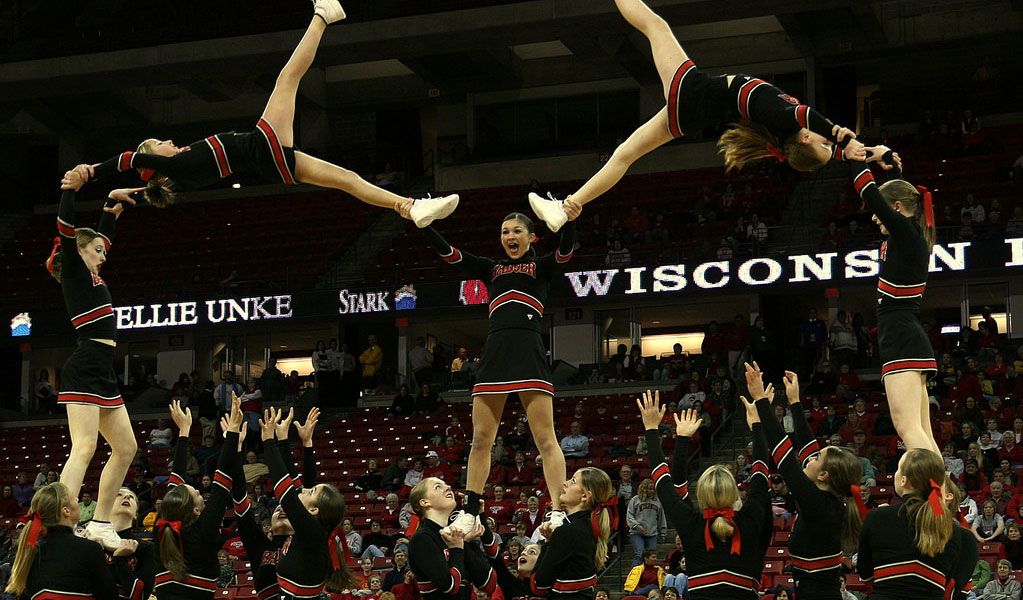
Cheerleading is not just pom-poms and chants—it is a high-stakes, gravity-defying crucible where athletes defy the limits of human capability while being dismissed as mere “sideline entertainment.” Beneath the glitter and smiles lies a sport that is statistically more dangerous than football, yet receives a fraction of the respect, funding, or recognition. This is the untold story of cheerleading: a sport of breathtaking athleticism, relentless risk, and systemic erasure.
The Illusion of Cheerleading: When Sparkle Masks the Grit
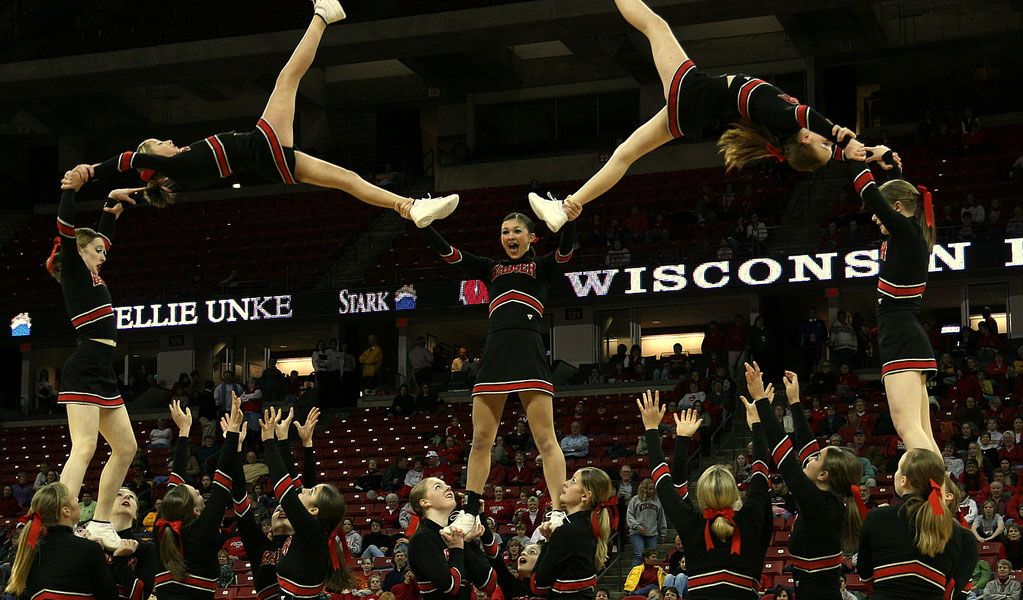
Cheerleading is a masterclass in contradiction. It is the only sport where performers are expected to smile through broken bones, where the most physically demanding stunts are met with applause rather than awe. The glitter, the chants, the performative femininity—these are not just aesthetic choices; they are a carefully constructed veil to obscure the brutality beneath. When a flyer is hurled 20 feet into the air, only to be caught by teammates with the precision of a Swiss watch, the audience sees a spectacle. What they don’t see is the years of training, the torn ligaments, the concussions, the shattered confidence when a stunt goes wrong. Cheerleading is not a performance; it is a warzone where the weapons are trust, gravity, and the unrelenting demand for perfection.
The Numbers Don’t Lie: Cheerleading’s Silent Epidemic of Injury
Cheerleading accounts for over 65% of all catastrophic injuries in female athletes, according to the National Athletic Trainers’ Association. Yet, because it is not classified as a sport in many states, these injuries are often downplayed, misdiagnosed, or ignored. A football player with a torn ACL is a tragedy; a cheerleader with the same injury is “just part of the job.” The spine-tingling reality is that cheerleaders suffer more concussions than any other sport, including boxing. The human body was not designed to be flipped, twisted, and caught mid-air—yet cheerleaders do it daily, with the grace of a ballerina and the resilience of a gladiator. The irony? The more dangerous the stunt, the more it is met with cheers. The more it is met with cheers, the more it is dismissed as “not a real sport.”
The Gendered Erasure: Why Cheerleading is the Sport That Dare Not Speak Its Name
Cheerleading is the ultimate victim of performative femininity—a sport so deeply entangled in stereotypes that its athleticism is rendered invisible. When a male athlete dominates a basketball court, he is celebrated as a “phenom.” When a female athlete dominates a cheer mat, she is reduced to a “cheerleader,” a term so laden with condescension that it has become a punchline. The language surrounding cheerleading is not just dismissive; it is weaponized. “It’s just cheerleading” is the rallying cry of those who refuse to acknowledge the hours of strength training, the mental fortitude, the sheer physicality required to defy gravity. This erasure is not accidental. It is a deliberate act of patriarchal dismissal, a way to keep women’s sports in the realm of “cute” rather than “elite.”
The Olympic Betrayal: A Sport That Should Be, But Isn’t
Cheerleading is the only sport in the world that meets the Olympic criteria for inclusion—it is physically demanding, requires teamwork, and has a global following—yet it remains locked out of the Games. Why? Because the Olympic Committee, like so many others, refuses to see cheerleading as anything more than a sideshow. The irony is almost laughable: a sport that is more dangerous than gymnastics, more acrobatic than diving, and more physically taxing than wrestling is deemed unworthy of the world’s greatest stage. The message is clear: if it involves women, if it involves glitter, if it involves joy, it cannot be taken seriously. Cheerleading is the ultimate symbol of this hypocrisy—a sport that is both revered and reviled, celebrated and silenced.

The Mental Gymnastics: The Psychological Toll of Being Invisible
The danger of cheerleading is not just physical—it is psychological. Cheerleaders are conditioned to perform even when injured, to smile even when broken, to be perfect even when the world demands their imperfection. The pressure to maintain a facade of effortless grace is a silent epidemic, one that leads to anxiety, depression, and burnout. When a cheerleader is told to “tough it out” after a concussion, when she is blamed for a stunt that goes wrong, when she is reduced to a “pretty face” rather than an athlete, the message is clear: her pain does not matter. This is the true danger of cheerleading—not the stunts, not the falls, but the erasure of the human being behind the performance.
The Revolution Will Be Cheered: Why the Time for Change is Now
The tide is turning. From social media campaigns to legal battles, cheerleaders are fighting back against the systemic dismissal of their sport. They are demanding recognition, funding, and respect. They are proving that cheerleading is not a sideshow—it is a revolution. The question is no longer whether cheerleading deserves to be taken seriously. The question is whether the world is ready to confront the hypocrisy that has kept it in the shadows for so long. The answer, like a perfectly executed basket toss, must be a resounding yes.










Leave a Comment