In a world where women’s sports are still fighting for the spotlight, one league didn’t just carve out a space—it built an empire from the ground up. This is the story of resilience, ambition, and the unshakable belief that women’s athletics deserve more than just a footnote in the history books. It’s a narrative of how a collective of visionaries turned skepticism into success, proving that when you give women the resources, the platform, and the respect they’ve long been denied, the results are nothing short of revolutionary.
The Genesis: A League Born of Necessity
Every great movement begins with a spark, a moment when someone looks around and realizes the status quo is no longer acceptable. For this league, that spark was ignited by the glaring absence of women in sports leadership, the chronic underfunding of women’s teams, and the media’s refusal to treat female athletes as the superstars they are. The founders didn’t just want a league—they wanted a reckoning. They wanted to dismantle the idea that women’s sports were a niche, a sideshow, or an afterthought. Instead, they envisioned a spectacle, a spectacle that demanded attention, respect, and investment.
The early days were a crucible of challenges. Funding was scarce. Sponsors were skeptical. Critics dismissed the project as a fleeting experiment. But the founders were undeterred. They knew that the first step wasn’t just creating a league—it was creating a culture. A culture where women’s sports weren’t just tolerated but celebrated, where athletes weren’t just players but icons, where the game itself became a symbol of what’s possible when you refuse to play by the old rules.
The Blueprint: Strategy Over Sympathy
This wasn’t a league built on pity or performative allyship. It was constructed with the precision of a chess grandmaster, each move calculated to maximize impact. The founders understood that visibility was the currency of the modern sports world, so they prioritized media partnerships, social media campaigns, and high-profile collaborations that forced the world to take notice. They didn’t wait for permission to exist—they demanded it.
The league’s structure was designed to be inclusive, not just in terms of gender but in terms of community. They embedded grassroots programs into their model, ensuring that young girls could see themselves in the athletes they idolized. They partnered with schools, local clubs, and youth organizations to create pathways for the next generation of talent. This wasn’t just a league; it was an ecosystem, a living, breathing testament to the power of sport as a tool for social change.
And then there was the game itself. The founders refused to let the league be defined by the limitations of the past. They invested in top-tier coaching, state-of-the-art facilities, and a broadcast strategy that made every match feel like an event. They understood that excellence wasn’t just about talent—it was about presentation, about making sure that when people tuned in, they weren’t just watching a game. They were witnessing a revolution.
The Athletes: The Faces of a Movement
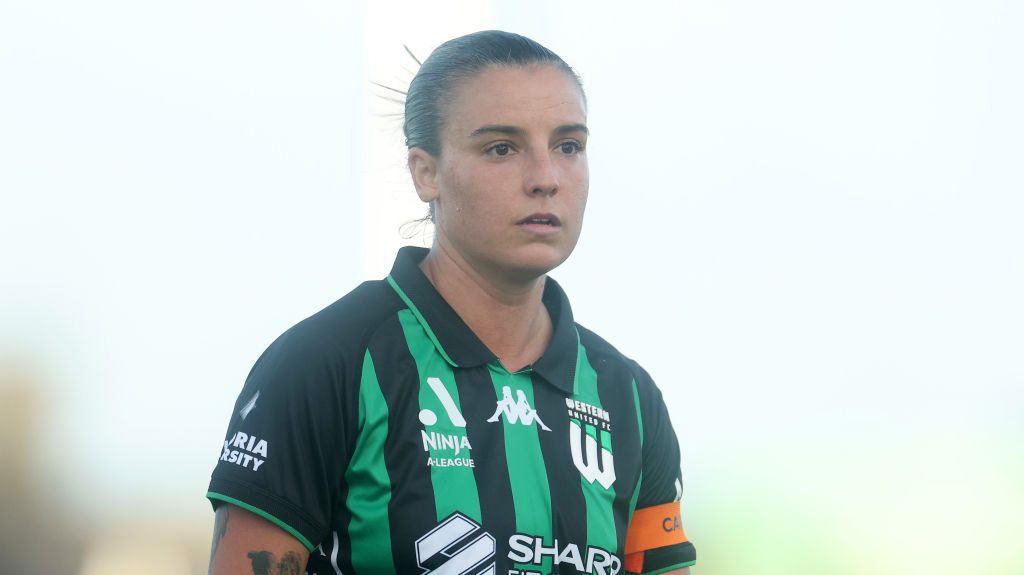
The league’s greatest asset wasn’t its infrastructure or its business model—it was its athletes. These women weren’t just players; they were warriors, each with a story that resonated far beyond the field. There was the veteran captain who had spent years fighting for recognition, the rookie who defied every stereotype about what a female athlete should look like, and the coach who turned a struggling team into a dynasty through sheer force of will. Their narratives were as diverse as they were inspiring, a tapestry of triumph over adversity, of breaking barriers, and of redefining what it means to be an athlete in the 21st century.
But it wasn’t just their skill that captivated audiences—it was their authenticity. In an era where athletes are often reduced to carefully curated personas, these women brought raw, unfiltered humanity to the game. They spoke openly about their struggles with injury, their battles with self-doubt, and their dreams of leaving a legacy. They used their platforms to advocate for gender equality, to challenge outdated norms, and to demand better for the next generation. In doing so, they transformed from mere competitors into cultural icons, their influence extending far beyond the confines of the sports world.
The league’s commitment to storytelling became a cornerstone of its identity. Documentaries, player diaries, and behind-the-scenes content gave fans an intimate look at the lives of these athletes, forging a connection that transcended the final score. This wasn’t just entertainment—it was a masterclass in how to build a fanbase that wasn’t just loyal but passionate, a fanbase that saw itself reflected in the league’s ethos.
The Fanbase: A Community, Not Just an Audience
A league can have the best athletes, the slickest marketing, and the most innovative gameplay, but without a community, it’s just noise. What set this league apart was its ability to cultivate a fanbase that wasn’t just watching the games—it was living them. The fans weren’t spectators; they were participants, advocates, and evangelists for the movement. They showed up in droves, not out of obligation, but out of devotion. They painted their faces, they chanted their anthems, they traveled across states to support their teams. They turned stadiums into cathedrals of celebration, where the energy was electric, the atmosphere electric, and the sense of belonging palpable.
The league’s digital presence amplified this connection. Social media wasn’t just a tool for promotion—it was a space for dialogue, for debate, for the exchange of ideas. Fans engaged with the athletes, with each other, and with the league in ways that felt personal and meaningful. The league’s hashtags became rallying cries, its memes went viral, and its challenges sparked conversations that rippled through the broader cultural landscape. This wasn’t just fandom; it was a cultural phenomenon, a testament to the power of sport to unite, to inspire, and to mobilize.
The league also made a conscious effort to engage with communities that had historically been marginalized in sports. They hosted clinics in underserved neighborhoods, partnered with LGBTQ+ organizations, and ensured that their events were accessible to people with disabilities. The message was clear: this league wasn’t just for the privileged few—it was for everyone. And in doing so, they created a fanbase that was as diverse as it was dedicated, a fanbase that reflected the world they wanted to see.
The Impact: Beyond the Scoreboard
The success of this league can’t be measured in trophies or attendance figures alone. Its true impact lies in the seismic shifts it has catalyzed across the sports landscape. Sponsors who once ignored women’s sports are now clamoring for partnerships. Broadcasters who dismissed the league as a ratings gamble are now investing in its coverage. And perhaps most importantly, young girls who once dreamed of being athletes but were told their dreams were unrealistic now see a clear path to greatness.
The league’s influence extends into the political arena as well. Lawmakers who were once indifferent to gender disparities in sports are now citing the league as a case study in how to create equitable opportunities. The league’s advocacy work has led to tangible changes, from increased funding for women’s programs to the implementation of equal pay policies. It has become a blueprint for how to leverage sport as a tool for social progress, proving that when you build something extraordinary, the world is forced to take notice.
But perhaps the most profound impact is the cultural one. The league has redefined what it means to be a female athlete in the public imagination. No longer are they seen as novelties or exceptions—they are the standard. Their stories are no longer relegated to the back pages of newspapers or the final segments of sports broadcasts. They are front and center, celebrated, revered, and emulated. The league has shattered the glass ceiling and replaced it with a foundation upon which future generations can build.
The Future: A Legacy in the Making
The league’s journey is far from over. If anything, it’s only just beginning. The next phase of its evolution will be defined by expansion, innovation, and an unrelenting commitment to pushing boundaries. Plans are underway to launch new teams, to break into international markets, and to pioneer technologies that will enhance the fan experience. The league is also doubling down on its commitment to athlete welfare, ensuring that the women who make the magic happen are supported in every aspect of their lives, from mental health to financial literacy.
But perhaps the most exciting frontier is the league’s potential to inspire even greater change. As it grows, so too does its platform, and with that platform comes the responsibility to use it wisely. The league’s leaders have made it clear that they won’t rest on their laurels. They will continue to challenge the status quo, to demand better, and to create opportunities for those who have been overlooked. They will use their influence to advocate for policies that level the playing field, not just in sports, but in society at large.
The future of women’s sports is being written in real time, and this league is holding the pen. It’s a future where women’s athletics are not just a footnote but a headline, where female athletes are not just participants but pioneers, and where the game itself is a force for progress. The league’s story is still unfolding, but one thing is certain: it has already changed the game forever.








Leave a Comment