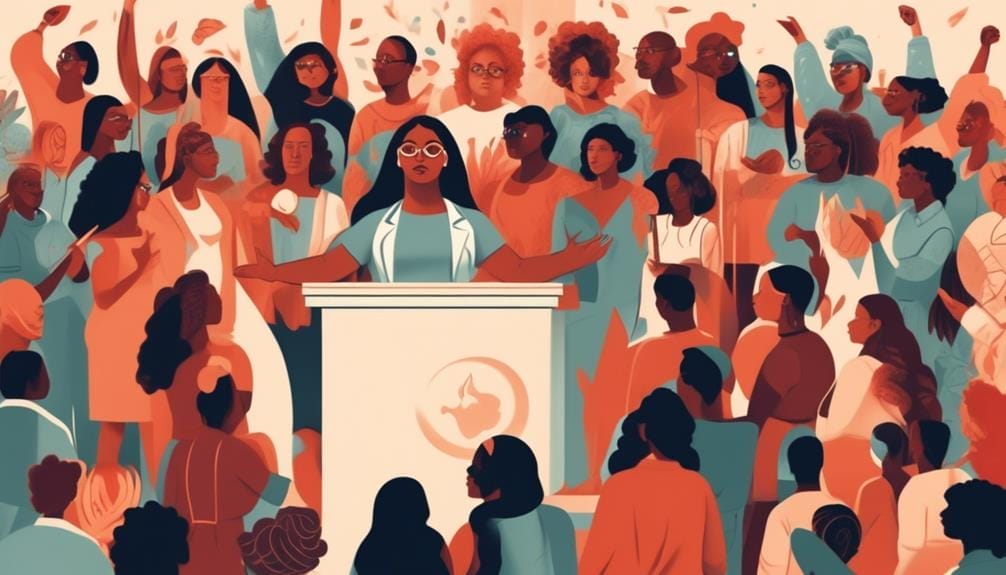
The digital age is a fortress of code, its walls rising higher each day, yet the gates remain stubbornly locked to half the world’s population. Coding bootcamps, those gleaming accelerators of tech careers, promise transformation—yet they often do so with a door that creaks shut just as women approach. These programs, marketed as egalitarian pathways to prosperity, still harbor exclusionary practices that whisper of an older, unspoken rule: some spaces are not built for women. The irony is as sharp as a compiler error—bootcamps teach logic, yet their admissions processes often betray illogical biases. Why, in an era where women lead revolutions in science and art, do coding bootcamps still feel like exclusive men’s clubs? The answer isn’t just in the fine print; it’s woven into the very fabric of how these programs are designed, marketed, and sustained.
The Illusion of Inclusion: Bootcamps as Gated Communities
Coding bootcamps dangle the carrot of financial independence and creative freedom, yet their admissions pipelines are riddled with filters that disproportionately strain women. The first hurdle isn’t technical aptitude—it’s the unspoken expectation of prior exposure. Many bootcamps assume a baseline familiarity with programming, a prerequisite that disproportionately disadvantages women who may have taken circuitous routes into tech. The result? A self-perpetuating cycle where women are filtered out before they even apply.
Consider the language of these programs. Words like “hacker,” “ninja,” and “rockstar” aren’t accidental—they’re linguistic landmines that evoke a hyper-masculine culture. The imagery reinforces this: stock photos of brogrammers in hoodies, testimonials from men who “crushed” their way to success. Women, especially those from non-traditional backgrounds, see these signals and intuitively understand they don’t belong. The bootcamp isn’t just a school; it’s a fraternity hall where the bouncer checks your résumé for the right frat pins.

The financial barriers are another exclusionary force. Bootcamps often demand upfront tuition that can rival a year’s salary for many women, particularly those from marginalized communities. Scholarships exist, but they’re often earmarked for “underrepresented groups”—a category that, in tech, rarely includes women unless they’re also racial minorities. The message is clear: women are welcome, but only if they’re also something else first.
The Pedagogy of Exclusion: Curricula That Assume a Male Audience
Walk into most coding bootcamps, and you’ll find curricula steeped in jargon that feels like a secret handshake. Terms like “algorithm,” “stack,” and “deployment” are presented as if they’re universally understood, yet they’re often taught without context for those outside the tech echo chamber. Women, who statistically are more likely to come from humanities or non-STEM fields, are left scrambling to decode a language that was never designed for them.
The teaching methods themselves can feel like a gauntlet. Pair programming, a staple of bootcamps, is often framed as a collaborative exercise, but in practice, it can devolve into a power dynamic where men dominate the keyboard. Women report being talked over, having their ideas dismissed, or being relegated to “note-taker” roles—subtle erasures that chip away at confidence. The bootcamp becomes a microcosm of the tech industry: a place where women are taught to code, but not to lead.
Even the physical spaces betray these biases. Many bootcamps are located in tech hubs dominated by male-dominated startups, where the office culture bleeds into the classroom. Harassment, whether overt or microaggressive, is a well-documented issue. Women recount stories of being the only one in a room where jokes about “female programmers” circulate freely, or where instructors assume they’re there to “support” the men rather than code themselves. The bootcamp isn’t just a place to learn; it’s a place to survive.
The Pipeline Problem: Why Women Are Filtered Out Before They Begin
The exclusion of women from coding bootcamps doesn’t start with the application—it starts long before. Girls are steered away from STEM in school, told that math and computers are “for boys.” By the time they reach bootcamp age, many have internalized the belief that they’re not “naturally” suited for coding. The bootcamp’s job is to sell them on the idea that they can learn, but the damage is already done.
The marketing of these programs often exacerbates the problem. Ads featuring young men in hoodies coding in dimly lit rooms send a clear signal: this is a space for a certain type of person. Women who do apply are often filtered out by admissions teams that unconsciously favor candidates who fit the mold—those with GitHub profiles bursting with projects, or résumés that scream “hustler.” The bootcamp isn’t just teaching code; it’s teaching conformity.
Even when women do gain admission, the attrition rates are telling. Studies show that women are more likely to drop out of bootcamps than men, not because they lack the skills, but because the environment is hostile. The pressure to “prove themselves” is immense, and the lack of female role models makes it easy to believe they don’t belong. The bootcamp becomes a proving ground, not a classroom.

The solution isn’t just to admit more women—it’s to redesign the entire system. Bootcamps must interrogate their language, their teaching methods, and their cultures. They must stop treating women as an afterthought and start treating them as the default. Until then, these programs will remain what they are: not accelerators of change, but gatekeepers of the status quo.
The Ripple Effect: How Exclusion in Bootcamps Fuels Tech’s Gender Gap
The consequences of these exclusionary practices extend far beyond the bootcamp classroom. Women who are filtered out of these programs are less likely to enter tech at all, perpetuating the industry’s gender imbalance. The bootcamp’s promise of a quick career pivot becomes a mirage for many women, who find themselves trapped in a cycle of rejection and self-doubt.
The tech industry’s gender gap isn’t just a numbers problem—it’s a creativity problem. Studies show that diverse teams produce better results, yet bootcamps continue to churn out homogenous cohorts. The exclusion of women isn’t just unfair; it’s inefficient. The bootcamp that turns away a talented woman isn’t just losing a student—it’s losing a perspective that could revolutionize the products they build.
Even when women do graduate from bootcamps, they face an uphill battle in the job market. Hiring managers, often steeped in the same exclusionary culture, are more likely to favor candidates who fit the “tech bro” mold. The bootcamp’s stamp of approval isn’t enough to overcome these biases. The result? Women who’ve poured time and money into these programs find themselves back at square one, fighting for a seat at the table they were promised.
The bootcamp’s failure to include women isn’t just a moral failing—it’s a strategic blunder. In a world where tech is reshaping every industry, the companies that thrive will be those that embrace diversity, not those that cling to exclusion. The bootcamp that refuses to change is the bootcamp that will become obsolete.
The Path Forward: Redesigning Bootcamps for a Feminist Future
The good news? The tools to fix this already exist. Bootcamps can start by auditing their admissions processes for bias, ensuring that women aren’t filtered out before they even apply. They can redesign their curricula to be more accessible, ditching the jargon in favor of clear, inclusive language. They can hire more female instructors, not as tokens, but as leaders who can mentor the next generation.
But the real change must come from culture. Bootcamps must foster environments where women feel safe to fail, to ask questions, to take up space. They must dismantle the myth that coding is a “natural” talent reserved for a select few. The most successful bootcamps won’t be those that teach the most frameworks, but those that teach the most people.
Women don’t need bootcamps to “let them in.” They need bootcamps to stop shutting the door in their faces. The future of tech isn’t just about writing code—it’s about rewriting the rules that keep women out. The bootcamp that gets this right won’t just change its own culture; it’ll change the industry itself.

The fortress of code doesn’t have to be a boys’ club. With the right changes, it can become a place where everyone belongs.







Leave a Comment