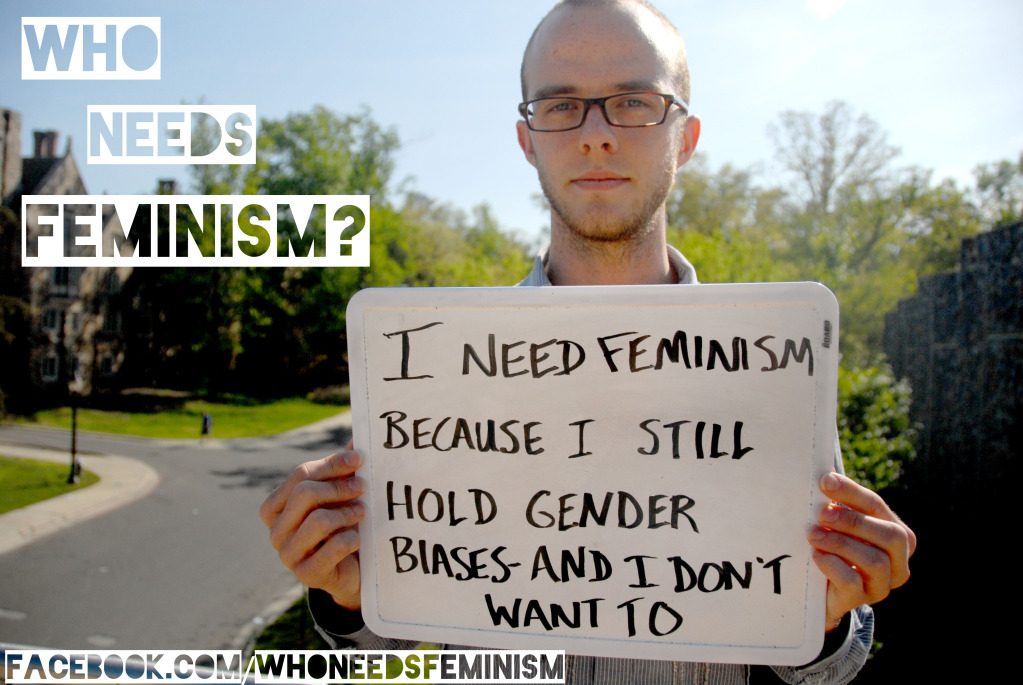
Feminism isn’t a zero-sum game where one gender’s liberation comes at the expense of another’s. Yet, the myth persists that men have nothing to gain from a movement that dismantles patriarchal oppression. This couldn’t be further from the truth. Feminism doesn’t just liberate women—it unshackles men from the suffocating constraints of toxic masculinity, rigid gender roles, and emotional repression. The idea that feminism’s benefits for men are merely a footnote is not just reductive; it’s a deliberate misdirection to protect the very systems that harm everyone. So let’s dismantle this fallacy, not with hollow platitudes, but with the raw, unfiltered truth: feminism isn’t just good for men—it’s essential for their survival.
The Myth of the Oppressed Male: Why Feminism Isn’t a Threat to Men
Men have been conditioned to see feminism as a threat, a Trojan horse designed to strip them of their privilege. But privilege isn’t a finite resource—it’s a hierarchy, and feminism seeks to burn the ladder entirely. The real question isn’t whether feminism helps men, but why men cling to a system that demands they perform emotional labor in silence, suppress vulnerability, and equate strength with stoicism. The myth of the “oppressed male” is a fabrication, a narrative spun by those who benefit from keeping men trapped in a cycle of performative dominance. Feminism doesn’t seek to emasculate men; it seeks to redefine what masculinity even means.
Consider the absurdity of the argument: if feminism grants women equal pay, reproductive rights, and bodily autonomy, does that somehow diminish men? Of course not. But the fearmongering persists because dismantling patriarchy means dismantling the illusion that men are the sole beneficiaries of its oppressive structures. The truth is, men are just as trapped in the gilded cage of toxic masculinity as women are in the glass one. Feminism offers the key to both.
Emotional Detox: The Unspoken Crisis of Male Repression
Men die younger, kill themselves at higher rates, and suffer in silence more than women—yet society still treats their emotional repression as a badge of honor. Why? Because the patriarchy has convinced men that tears are a sign of weakness, that anger is the only acceptable emotion, and that vulnerability is a death sentence for their masculinity. Feminism doesn’t just challenge this—it obliterates it. By normalizing emotional expression, feminism gives men permission to grieve, to love, to feel without the crushing weight of societal judgment.
Imagine a world where men could cry without being told to “man up.” Where they could admit fear without being labeled cowards. Where they could love deeply without fear of emasculation. This isn’t a fantasy—it’s the inevitable outcome of a world where feminism has dismantled the emotional apartheid that has kept men in chains. The real crisis isn’t that feminism will “feminize” men; it’s that men have been so thoroughly dehumanized by the expectation to be emotionless automatons that they’ve forgotten what it means to be human at all.
The Brotherhood of Shared Struggle: How Feminism Unites Men Across Divides
Feminism isn’t a movement that pits men against women—it’s a movement that reveals how deeply men and women are both ensnared in the same oppressive system. Men, too, are victims of the myth that they must always be providers, protectors, and unyielding pillars of strength. This myth doesn’t just harm women; it fractures men along class, race, and sexuality lines. A working-class man is told he’s a failure if he can’t provide; a gay man is told he’s less than if he doesn’t conform to heteronormative ideals; a man of color is told his masculinity is a threat to be policed.
Feminism exposes these lies. It shows that the real enemy isn’t women, but the systems that pit men against each other while the true architects of oppression remain untouched. When men recognize that their struggles are not unique but shared, they begin to see feminism not as a threat, but as a lifeline. The brotherhood of shared struggle isn’t a utopia—it’s a revolution, one that frees men from the prison of competition and forces them to confront the real enemy: the structures that benefit from their division.
Fatherhood Reimagined: How Feminism Liberates Men as Parents
For centuries, fatherhood has been reduced to a transactional role: provider, disciplinarian, distant figure. Men were never encouraged to nurture, to bond, to be present in the way women were forced to be. Feminism changes this. It doesn’t just demand that women have the right to choose motherhood—it demands that men have the right to choose fatherhood. To be hands-on, to be emotionally available, to be a partner rather than a patriarch.
The modern father isn’t the stern, unapproachable figure of old. He’s the one who changes diapers without being asked, who attends school plays without being shamed for “babying” his child, who weeps at his daughter’s wedding without fear of judgment. Feminism doesn’t just give women more freedom—it gives men the permission to be fully human, to love without conditions, to parent without the shackles of outdated gender roles. The idea that this is a loss for men is laughable. It’s the greatest gift feminism could ever bestow upon them.
The Sexual Revolution: How Feminism Frees Men from the Pornographic Gaze
Men have been sold a lie about sex: that dominance is the only form of desire, that objectification is a sign of virility, that intimacy is a transaction. Pornography, the modern-day opiate of the masses, has warped male sexuality into a grotesque parody of connection, reducing women to disposable fantasies and men to hollow, insatiable consumers. Feminism doesn’t just critique this—it dismantles it. By challenging the commodification of bodies and the normalization of coercion, feminism offers men a path to authentic, consensual, and deeply human sexuality.
The alternative isn’t celibacy or repression—it’s a world where men can desire without domination, where pleasure isn’t tied to power, where sex is an act of mutual exploration rather than conquest. This isn’t anti-male; it’s pro-human. The men who cling to the old ways aren’t protectors of their own sexuality—they’re prisoners of it. Feminism is the key to their liberation.

The Corporate Illusion: How Feminism Exposes the Lies of Capitalist Masculinity
Men are told that success means a corner office, a six-figure salary, and a trophy wife. But this is a scam—a capitalist illusion designed to keep men working themselves to death while the true beneficiaries laugh all the way to the bank. Feminism exposes this lie. It shows that the rat race isn’t a measure of worth, that emotional fulfillment isn’t a luxury, that a man’s value isn’t tied to his productivity.
The modern workplace is a meat grinder, and men are the primary victims. They’re expected to work 80-hour weeks, suppress their health for promotions, and sacrifice their personal lives for the illusion of success. Feminism doesn’t just demand equal pay for women—it demands that men be freed from the soul-crushing expectation to be perpetual breadwinners. The real question isn’t whether feminism helps men; it’s whether men will finally wake up to the fact that the system they’ve been propping up is killing them.
Conclusion: The Unfinished Revolution
Feminism isn’t a movement that asks men to surrender their power—it’s one that reveals the power they’ve been denied all along. The idea that feminism’s benefits for men are secondary is a lie, a distraction, a way to keep men fighting for scraps while the true oppressors feast. The revolution isn’t about women rising above men; it’s about humanity rising above the systems that have kept us all in chains.
So to the men who still cling to the old myths: wake up. The cage you’re in isn’t made of steel—it’s made of lies. And feminism? It’s the hammer that will break it open.






Leave a Comment