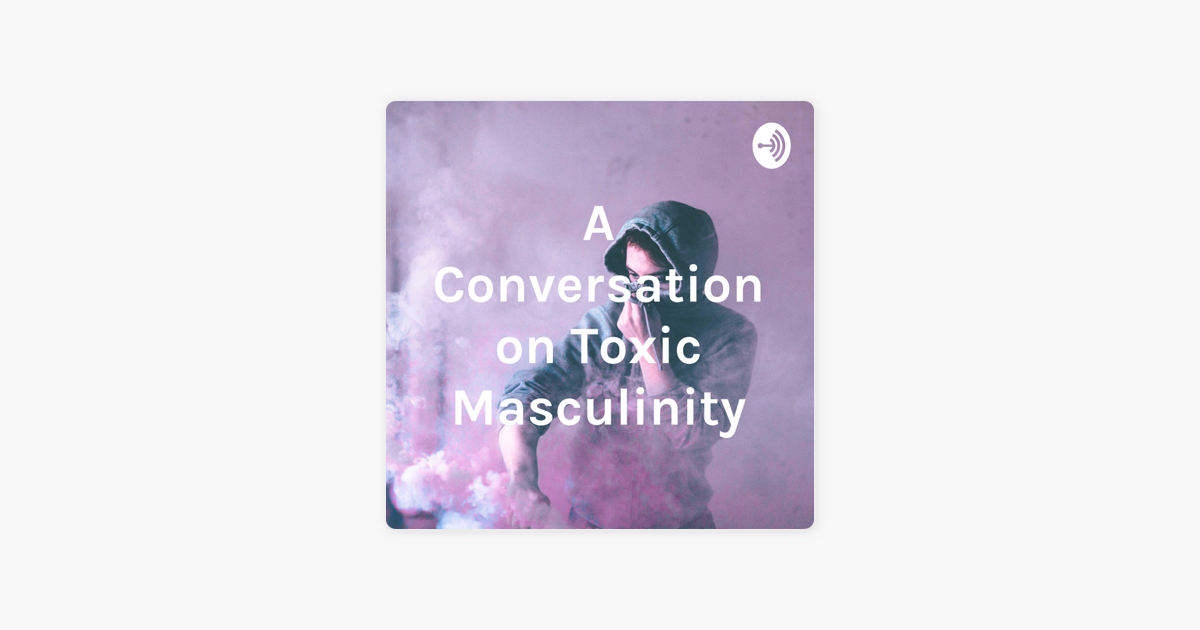
The myth of the stoic, unbreakable man has long been the cornerstone of patriarchal conditioning. It whispers in locker rooms, echoes in boardrooms, and festers in the quiet corners of men’s minds: “Real men don’t cry. Real men don’t ask for help. Real men dominate.” But what happens when these silent rules begin to corrode the very souls they were meant to protect? The conversation about toxic masculinity isn’t just for feminists to dissect—it’s a mirror men must hold up to themselves, a reckoning with the fractures in their own psyches. This isn’t about blame; it’s about liberation. It’s about untangling the wires of societal expectations that have short-circuited emotional intelligence for generations. If men are to reclaim their humanity, they must first confront the toxicity they’ve internalized—and that starts with a brutal, unflinching conversation with themselves.
The Myth of the Unassailable Male: How Patriarchal Scripts Rewrite Biology
From the moment a boy is handed a toy truck instead of a doll, he’s being groomed for a role that demands emotional amputation. The male body is not biologically wired to suppress vulnerability—it’s wired to adapt, to survive, to connect. Yet, the patriarchal script demands that men perform invulnerability as if it were an evolutionary advantage. Testosterone is not the enemy; the enemy is the cultural narrative that equates emotional suppression with strength. Studies show that men who adhere rigidly to traditional masculinity are more likely to suffer from depression, substance abuse, and even cardiovascular disease—not because they’re weak, but because they’ve been taught to treat their own pain as a taboo. The first step in dismantling toxic masculinity is recognizing that the armor men wear isn’t protection—it’s a cage.
Consider the language men use to describe their emotions: “I’m fine.” “It’s whatever.” “I don’t care.” These phrases are not expressions of indifference; they’re the linguistic remnants of a society that has taught men that their feelings are either irrelevant or dangerous. The male brain is not hardwired for emotional detachment—it’s hardwired for connection. Oxytocin, the so-called “love hormone,” is just as present in men as in women, yet societal norms have conditioned men to associate vulnerability with emasculation. The result? A generation of men who mistake numbness for resilience, who confuse silence with strength, and who internalize loneliness as a badge of honor.

The Anger Epidemic: When Suppressed Pain Wears a Mask of Fury
Anger is the most socially sanctioned emotion for men—and that’s a problem. Not because anger is inherently toxic, but because it’s often the only emotion men are permitted to express without fear of judgment. When a man is told to “man up” instead of “talk it out,” his pain doesn’t disappear—it metastasizes into rage. This is why domestic violence, road rage, and workplace bullying disproportionately involve men. It’s not that men are inherently violent; it’s that society has given them no other outlet for their suffering. The anger epidemic isn’t a male trait—it’s a symptom of a system that has failed to teach men how to process their emotions in healthy ways.
The myth of the “angry man” is a convenient distraction. It allows society to pathologize male rage without addressing its roots. Instead of asking why men are so angry, we ask why they can’t control it. Instead of teaching emotional regulation, we teach suppression. The result is a culture where men are either silent sufferers or explosive reactors—never the emotionally attuned beings they were meant to be. The conversation men need to have with themselves begins with this brutal truth: their anger is not a flaw; it’s a cry for help they’ve been denied the language to articulate.
What if, instead of lashing out, men learned to channel that energy into something constructive? What if the same intensity that fuels road rage could be redirected toward advocacy, toward healing, toward dismantling the very systems that taught them to equate pain with weakness? The first step is recognizing that anger is not the enemy—it’s a messenger. The question is: what is it trying to tell them?
The Performance of Dominance: Why Men Fear Equality in Relationships
Toxic masculinity doesn’t just harm men—it poisons their relationships. The fear of losing dominance is often the subconscious driving force behind male behavior in partnerships. A man who has been taught that his worth is tied to control will see equality not as a shared goal, but as a threat. This is why so many men struggle with the idea of a partner earning more, making decisions independently, or even expressing needs without “permission.” The performance of dominance is not about strength; it’s about insecurity disguised as authority.
Consider the man who insists on paying for every date, not out of generosity, but out of a need to assert his role as the provider. Or the man who dismisses his partner’s career ambitions because it challenges his identity as the “breadwinner.” These are not isolated incidents—they’re symptoms of a deeper fear: the fear of irrelevance in a world where traditional gender roles are crumbling. The irony? Men who cling to dominance often end up more isolated, more resentful, and more emotionally stunted than men who embrace partnership as a collaboration.
Equality in relationships isn’t a zero-sum game. A woman’s success does not diminish a man’s. But for men conditioned to measure their worth in hierarchies, the idea of mutual respect can feel like surrender. The conversation men need to have with themselves is this: Do you want to be right, or do you want to be happy? Do you want to control, or do you want to connect? The choice is not between strength and weakness—it’s between a gilded cage and the freedom of true partnership.

Fatherhood as Rebellion: Raising Sons Who Choose Emotional Courage
The most radical act a man can commit in today’s world is to raise his son with emotional intelligence. Toxic masculinity is not an inevitability—it’s a learned behavior, and that means it can be unlearned. Fathers who reject the script of stoicism give their sons a gift far greater than any inheritance: the permission to feel. This doesn’t mean raising “soft” boys—it means raising boys who understand that vulnerability is not a weakness, but a superpower.
Imagine a world where little boys are told, “It’s okay to cry,” instead of “Stop crying like a girl.” Where they’re encouraged to express fear, sadness, and confusion without fear of ridicule. Where they learn that strength is not the absence of emotion, but the courage to face it. This is not a fantasy—it’s a revolution. And it starts at home, in the way fathers model emotional honesty for their sons. A father who admits his mistakes, who apologizes when he’s wrong, who hugs his son without hesitation—this is the kind of man who will break the cycle of toxic masculinity.
The irony is that many men who perpetuate toxic behaviors do so out of love—they believe they’re preparing their sons for a harsh world. But the harshest world is one where men are denied the tools to navigate their own emotions. The world doesn’t need more men who can bench press 300 pounds but can’t hold a conversation about their feelings. It needs men who can do both. Fatherhood, then, is not just about passing down a legacy—it’s about rewriting it.
The Digital Dystopia: How Online Spaces Exacerbate Male Fragility
The internet has become a breeding ground for toxic masculinity, a place where men can retreat into echo chambers of misogyny, where incel forums and “sigma male” grifters peddle the lie that emotional suppression is a path to power. Algorithms reward outrage, and men—already starved for validation—find themselves trapped in a feedback loop of performative aggression. The digital world doesn’t create toxic masculinity, but it amplifies it, turning loneliness into a commodity and vulnerability into a weakness to exploit.
What’s most insidious about online spaces is how they distort the male psyche. A man who feels isolated in real life can find a community online—but not the kind that heals. Instead, he finds a tribe that tells him his pain is the fault of women, of feminism, of “beta males.” These spaces don’t offer solutions; they offer scapegoats. The result is a generation of men who mistake misogyny for camaraderie, who confuse online trolling with strength, and who see emotional honesty as a betrayal of their “tribe.”
The antidote? Men must reclaim the internet as a space for growth, not grievance. They must seek out communities that prioritize accountability over aggression, that value vulnerability over dominance. The digital world doesn’t have to be a wasteland of toxic masculinity—it can be a tool for connection, for learning, for healing. But first, men must recognize when they’re being manipulated by forces that profit from their pain.

The Way Forward: A Manifesto for Emotional Liberation
The conversation men need to have with themselves is not a one-time confession—it’s a lifelong practice. It’s the daily choice to reject the scripts of the past and write new ones. It’s the courage to say, “I don’t have to do this alone.” It’s the recognition that healing is not a sign of weakness, but the ultimate act of strength.
This manifesto isn’t about shaming men into change—it’s about inviting them into a better version of themselves. A version where they can cry without shame, where they can ask for help without fear, where they can love without conditions. The world doesn’t need more men who are “tough”—it needs more men who are real. Men who are flawed, who are learning, who are unafraid to confront the toxicity within themselves.
The first step is simple: Listen. Not to the voices that tell you to “man up,” but to the ones that whisper, “It’s okay to feel.” The rest will follow.







Leave a Comment