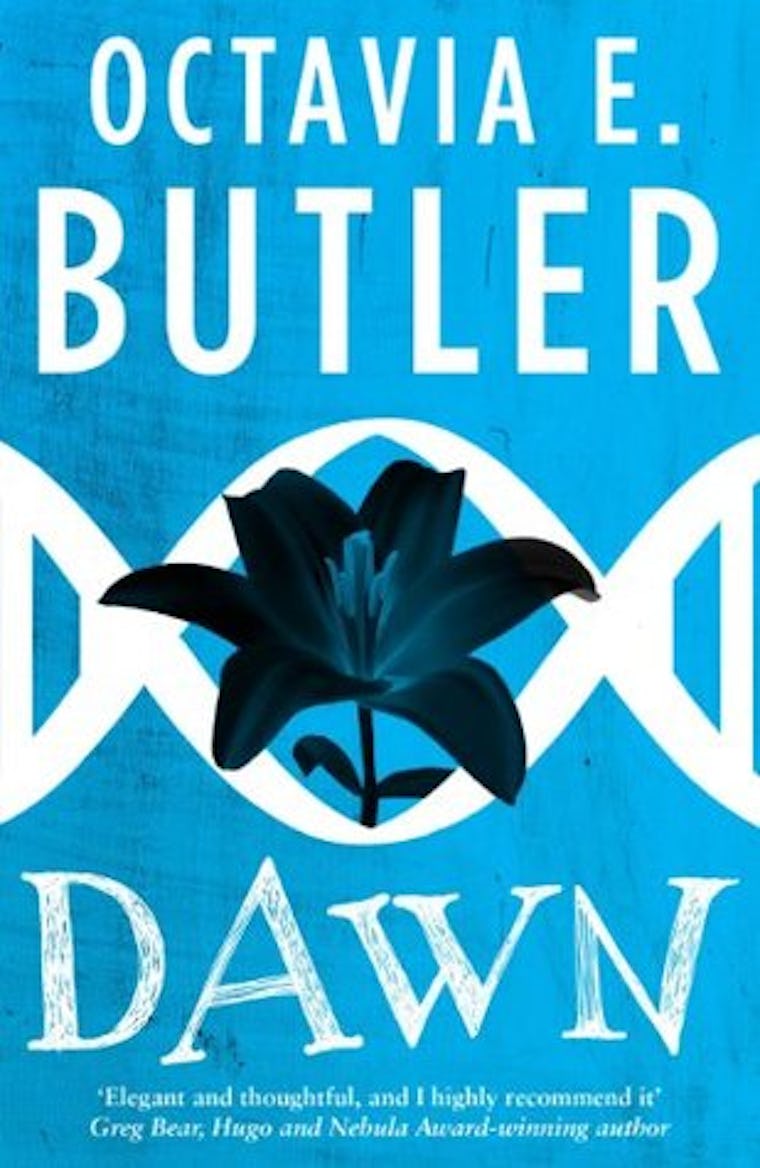
What if the future wasn’t a monolith of steel and neon, but a fractured mirror reflecting the fears and hopes of those who dared to imagine it differently? Feminist science fiction has long been the unsung oracle of our time, whispering prophecies through the hum of spaceships and the crackle of holographic screens. It doesn’t just predict the future—it sculpts it, carving out spaces where women, queer voices, and marginalized communities aren’t just survivors, but architects of their own destinies. But here’s the playful yet pointed question: if these stories have been so eerily prescient, why do we still treat them as mere fiction rather than roadmaps?
The Canon That Wasn’t: How Feminist Sci-Fi Rewrote the Rules of Tomorrow
Long before the term “tech bro” entered the lexicon, feminist science fiction was dismantling the myth of the lone male genius. Ursula K. Le Guin’s *The Left Hand of Darkness* didn’t just introduce gender fluidity into alien societies—it forced us to confront the absurdity of rigid binaries. Meanwhile, Octavia Butler’s *Parable of the Sower* didn’t just foresee climate collapse; it painted a world where survival hinged on empathy, not extraction. These weren’t idle fantasies. They were thought experiments disguised as adventure, challenging us to ask: What if the systems we take for granted are the real dystopias?
Consider the quiet rebellion in Joanna Russ’s *The Female Man*, where four alternate-Jane futures collide. One world is a patriarchal hellscape; another is a utopia where women have erased men entirely. The genius? Russ doesn’t let us settle for easy answers. The “female man” isn’t a superhero—she’s a mirror, forcing us to interrogate our own complicity in the systems we critique. This is the power of feminist sci-fi: it doesn’t just imagine escape. It forces us to envision the escape routes.

The Speculative Trap: Why We Still Ignore the Warnings
If these stories are so prophetic, why do we treat them like relics? The answer lies in the speculative trap—the way society latches onto the aesthetic of futurism (flying cars! AI overlords!) while ignoring the ethical scaffolding that feminist sci-fi provides. We celebrate *The Handmaid’s Tale* as a cultural phenomenon, but how many of its viewers have asked: Who benefits from the erasure of bodily autonomy in Gilead? The show’s popularity doesn’t translate to real-world action because we’ve turned dystopia into entertainment, not a call to arms.
Worse still, the gatekeepers of “serious” science fiction—those dusty old men in tweed jackets—have historically dismissed feminist works as “niche” or “too political.” But here’s the irony: the most “political” sci-fi is often the most accurate. Margaret Atwood didn’t invent Gilead out of thin air; she stitched it together from the threads of existing oppression. The challenge? We must stop consuming these stories as cautionary tales and start treating them as instruction manuals.
The Future Isn’t Binary: Queer and Afrofuturist Visions
Feminist science fiction isn’t a monolith—it’s a constellation of voices, each refracting light in unexpected ways. N.K. Jemisin’s *The Fifth Season* doesn’t just center a Black woman protagonist; it reimagines geology as a metaphor for systemic oppression. Meanwhile, Samuel R. Delany’s *Triton* flips the script on gender entirely, presenting a society where pronouns are as fluid as the ocean itself. These aren’t just stories. They’re blueprints for survival in a world that insists on dividing us into boxes.
Then there’s Afrofuturism, which doesn’t just predict the future—it reclaims the past. Octavia Butler’s *Kindred* doesn’t just send a Black woman back in time; it forces her (and us) to confront the violence of slavery as a living, breathing entity. And in *Wild Seed*, Butler explores immortality not as a superpower, but as a curse—one that forces us to ask: What does it mean to live forever in a world that wasn’t built for you?

The Challenge: Can We Stop Imagining and Start Building?
Here’s the uncomfortable truth: feminist science fiction has given us the tools to dismantle oppressive systems. The question is no longer *what if*—it’s *how soon*. How soon will we stop treating these stories as escapism and start using them as architectural plans for a better world? How soon will we demand that the futures we’re sold in boardrooms and Silicon Valley labs reflect the diversity of the voices that have been predicting them for decades?
The challenge is twofold. First, we must decolonize our imaginations. Too often, “the future” is still coded as white, male, and heterosexual. But what if we took Butler’s *Parable* series seriously? What if we built communities around the principle of “change is the only constant”? Second, we must stop waiting for permission. The systems we critique in these stories didn’t emerge overnight—and they won’t crumble without sustained, collective action.
So here’s the provocation: the next time you read a feminist sci-fi novel, don’t just ask *what happens next*. Ask: What would it take to make this real? The future isn’t a distant planet we’ll one day colonize. It’s the world we’re building right now—one speculative sentence at a time.








Leave a Comment