There comes a moment in every woman’s life when she realizes the emotional labor she’s been pouring into a friendship has become a one-way street—when the role of the therapist friend, the keeper of secrets, the silent shoulder, suddenly feels like a cage rather than a calling. This is not a story about betrayal. It’s about boundaries. It’s about the quiet revolution of a woman who decides her empathy is not a bottomless well, and her tears are not currency in the economy of someone else’s healing. Friendships end. Not with a bang, but with the slow erosion of reciprocity, until one day, she stops answering the late-night calls—not out of cruelty, but clarity.
The Myth of the Selfless Friend: When Empathy Becomes Exploitation
We are raised to believe that kindness is a virtue without limits, that a woman’s capacity to listen is infinite. But what happens when that kindness is weaponized? When the friend who once leaned on you for solace now expects you to carry her emotional baggage without ever lifting a finger to help your own? The myth of the selfless friend is a patriarchal construct, a silent agreement that women will absorb pain like sponges, wring themselves dry, and still smile when asked for more. This is not friendship. It’s emotional vampirism.
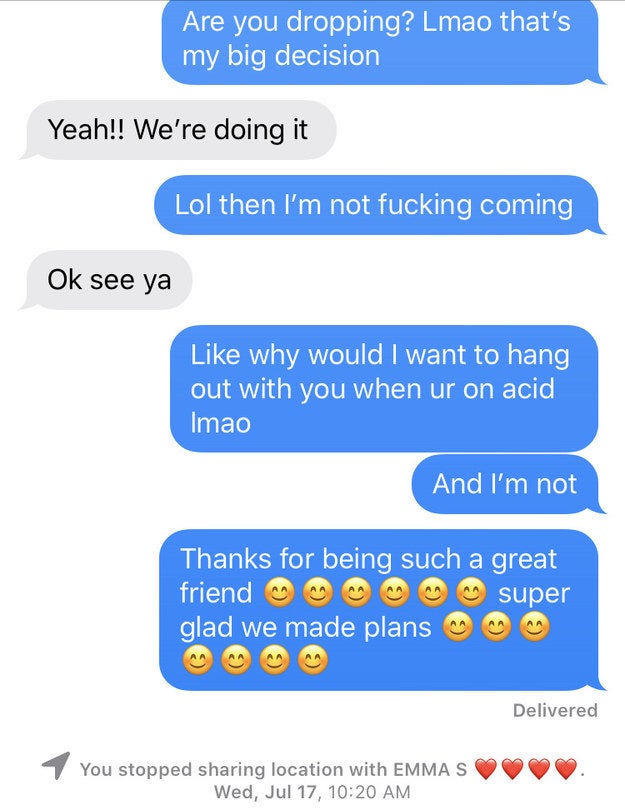
Consider the woman who texts you at 2 AM, not to share joy, but to dissect a fight with her partner—again. The one who cancels plans last minute because she’s “too overwhelmed,” yet never asks how you are. The friend who treats your shoulder as a therapist’s couch but would never reciprocate the gesture. These are not acts of love. They are transactions where you are the bank, and she is the one making withdrawals without deposits. And one day, the account runs dry.

The Breaking Point: When Silence Becomes the Loudest Protest
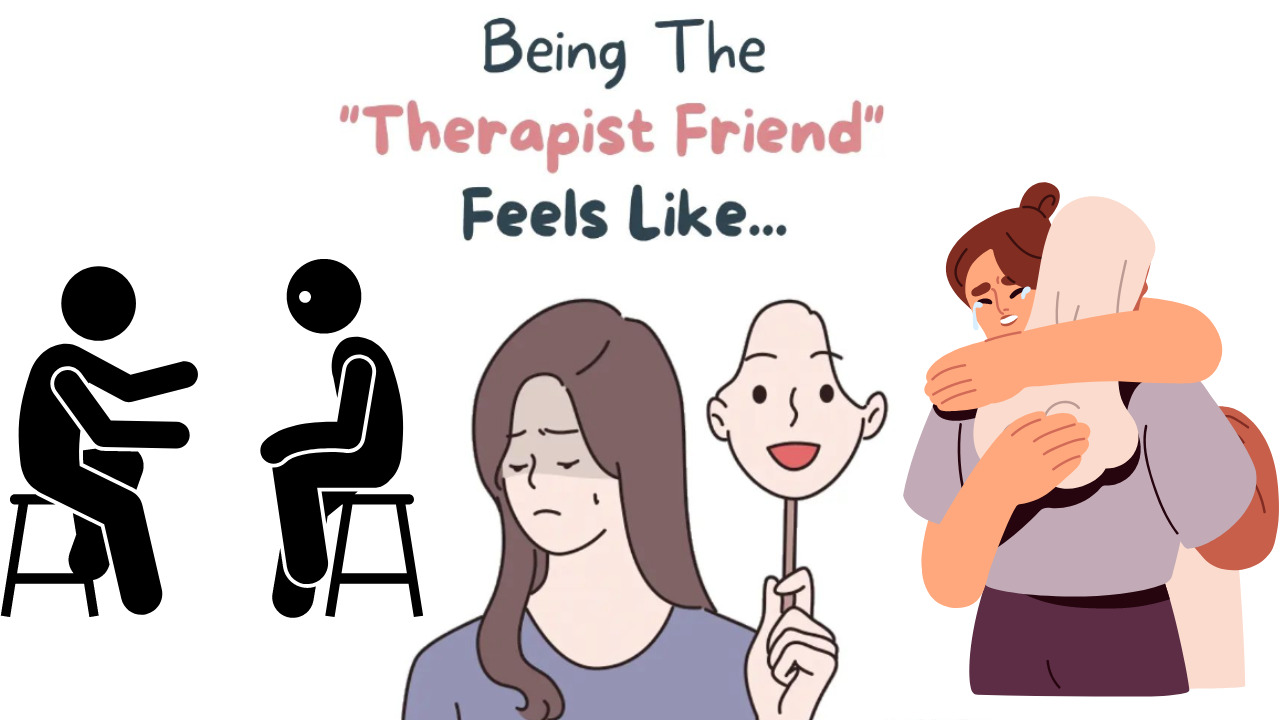
There is a particular kind of exhaustion that comes from realizing you’ve been performing emotional labor for someone who doesn’t even see it as labor. It’s the kind of fatigue that settles into your bones, the kind that makes you stare at your phone screen at 3 PM, wondering if you should reply to the latest desperate message. You used to answer. You used to care. But now, the guilt of not responding feels lighter than the guilt of always responding.
The breaking point isn’t a single moment of rage. It’s the slow accumulation of small betrayals—the ignored texts, the canceled plans, the way her problems always take precedence over yours. It’s the realization that your friendship has become a performance where you play the role of the ever-patient listener, and she plays the role of the perpetually aggrieved protagonist. And performances, no matter how well-rehearsed, eventually lose their audience.
So she stops answering. Not with a dramatic exit, but with a quiet withdrawal. She stops being the therapist friend because she refuses to be complicit in her own erasure anymore. And the silence that follows is not absence—it’s resistance.
The Ghosting of the Good Girl: Why Women Are Taught to Disappear Quietly
Women are conditioned to disappear when they’ve outgrown a role. We are taught to shrink, to soften, to make ourselves small so as not to inconvenience others. The good girl doesn’t make a scene. The good friend doesn’t set boundaries. The good listener doesn’t say no. But what happens when the good girl realizes she’s been performing for an audience that only claps when she’s suffering?
Ghosting is not cowardice. It’s the ultimate feminist act—a refusal to engage in the emotional labor of explaining why you no longer wish to be someone’s unpaid therapist. It’s the rejection of the narrative that your worth is tied to how much you can endure. And yet, even in silence, there is guilt. Because women are taught that our value lies in our availability, in our willingness to be there, always. But what if the most radical thing a woman can do is to stop being there?
She doesn’t owe anyone an explanation. Not when the friendship has become a one-way mirror, where she’s the only one doing the looking. The silence is not cruelty. It’s self-preservation.
The Aftermath: What Happens When the Therapist Friend Walks Away
The end of a friendship is not a tragedy. It’s an exorcism. It’s the purging of a dynamic that no longer serves you. And like all exorcisms, it leaves a void—but also a kind of clarity. Suddenly, there is space to breathe. To exist without being someone’s emotional crutch. To realize that your pain, your struggles, your need for support are just as valid as anyone else’s.
But the aftermath is not without its ghosts. There is the guilt—the insidious whisper that says, *Maybe I should have tried harder. Maybe I’m the bad friend.* There is the loneliness of realizing that the people who once depended on you now have to figure things out on their own. And there is the quiet triumph of knowing that you chose yourself, even when it felt like betrayal.
Friendships end. Not because of malice, but because of growth. Because one person outgrows the role they’ve been forced into. Because another person refuses to be the only one doing the growing. And that is not failure. That is evolution.
The Unspoken Truth: Some Friendships Are Not Meant to Last
We cling to the idea that friendships should be eternal, that the bonds we form in our youth or early adulthood are meant to withstand the test of time. But the truth is, some friendships are seasonal. They serve a purpose, then fade like the petals of a flower that has bloomed and withered. And that is not a reflection of your worth. It’s a reflection of the natural order of things.
The woman who stops being the therapist friend is not a villain. She is a survivor. She is someone who has realized that her empathy is not a limitless resource, that her tears are not a currency to be spent on someone else’s healing. She is someone who has chosen herself, even when it meant walking away from a role she was never meant to play.
And the friendships that end? They were never meant to last. They were meant to teach her the value of her own voice, the importance of her own needs. They were meant to remind her that some relationships are not gardens to be tended, but weeds to be pulled so that something new can grow in their place.









Leave a Comment