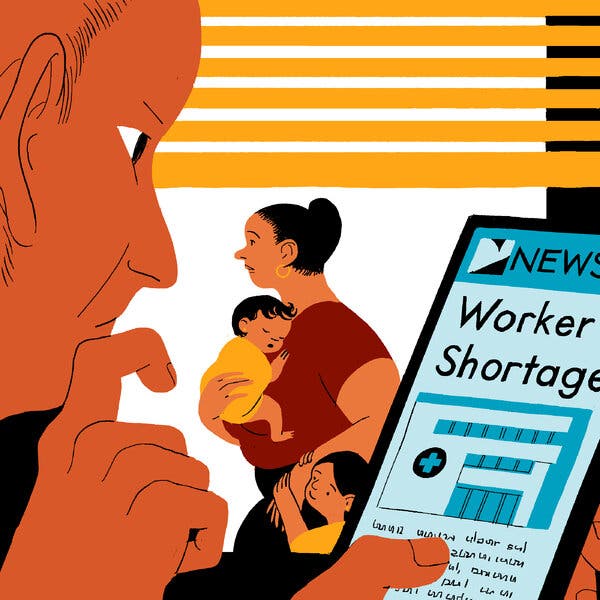
The economy isn’t just numbers on a spreadsheet—it’s a living organism, and like any organism, it can only thrive when its vital organs are functioning. Yet one of its most critical systems—childcare—has been operating at a fraction of its capacity, starved of resources, and hemorrhaging talent. This isn’t just a social issue; it’s an economic hemorrhage, a silent hemorrhage that drains billions from our GDP each year while parents, predominantly women, are forced to choose between paychecks and parenting. The childcare crisis isn’t a footnote in our economic narrative—it’s the plot twist we’ve been ignoring, the unspoken villain in the story of stalled productivity and widening inequality.
The Daycare Desert: Where Parents Wander, and Economies Falter
Imagine a world where the most basic human need—safety for our children—is met with the same scarcity as water in a desert. That’s the reality facing millions of American families. Across the country, childcare deserts stretch like cracked earth, where the nearest licensed provider is farther than a marathon runner’s endurance. In some urban cores, the ratio of children to available slots is so lopsided it resembles a high-stakes lottery where the losers are working parents, forced to patch together fragmented care like scavengers in a barren land.
The consequences ripple outward. When parents can’t find reliable care, they miss work. They quit jobs. They turn down promotions. They accept lower wages just to stay close to home. Each absence isn’t just a personal loss—it’s a gap in the labor force, a missing cog in the economic machine. Studies show that childcare breakdowns cost the U.S. economy up to $57 billion annually in lost earnings and productivity. That’s not chump change. That’s the GDP of a small nation evaporating into the ether because we’ve failed to irrigate the soil of childcare infrastructure.

The Caregiver Tax: How Unpaid Labor Bleeds the Economy Dry
Here’s a radical thought: what if the most undervalued job in America isn’t on Wall Street or in Silicon Valley, but in the quiet corners of living rooms and kitchen tables? The unpaid labor of caregiving—predominantly shouldered by women—is the invisible scaffolding holding up the economy. Yet we treat it like a natural phenomenon, not a structural necessity. When a mother leaves the workforce to care for a child, she doesn’t just lose a salary—she loses compounding career growth, retirement savings, and social security contributions. Her absence isn’t temporary; it’s a career black hole, pulling her into a spiral of economic disenfranchisement.
The numbers are staggering. Women’s labor force participation has stagnated for decades, not because they lack ambition, but because the system has no room for caregiving. The “motherhood penalty” isn’t a myth—it’s a tax. For every year a woman spends out of the workforce to raise children, her lifetime earnings drop by an average of 4%. Multiply that across millions of women, and you’re looking at a generational wealth hemorrhage. This isn’t just a personal tragedy; it’s an economic hemorrhage that weakens consumer spending, reduces tax revenue, and deepens wealth inequality.
And let’s not forget the emotional toll. The guilt of working mothers isn’t just psychological—it’s economic. The stress of juggling unpaid care with paid labor creates burnout, absenteeism, and turnover. Employers pay the price in lost productivity, higher healthcare costs, and a workforce that’s running on fumes. We’ve built an economy that demands peak performance from humans who are, quite literally, running a marathon with a backpack full of rocks.
The Subsidy Mirage: Why Market Solutions Fail the Most Vulnerable
Free-market purists love to argue that childcare should be left to the invisible hand. But the invisible hand has fingers—long, grasping fingers that squeeze the most vulnerable until they’re gasping for air. In a system where childcare costs exceed college tuition in 35 states, affordability isn’t a luxury—it’s a mirage. Parents are forced to make impossible choices: pay 30% of their income on childcare, or leave the workforce entirely. Neither option is sustainable.
Subsidies exist, but they’re a patchwork quilt with gaping holes. Public funding is inconsistent, eligibility requirements are byzantine, and waitlists stretch longer than a CVS receipt. For low-income families, childcare assistance is often a revolving door—qualify one year, lose benefits the next, and scramble to find care all over again. The result? A system that rewards the privileged and punishes the poor, where the children who need stability the most are the ones most likely to fall through the cracks.
Worse still, the childcare workforce—overwhelmingly women, often women of color—is paid poverty wages. Teachers in daycares earn less than fast-food workers, despite the critical role they play in shaping young minds. This isn’t just unfair—it’s economically irrational. You can’t have high-quality childcare without skilled, stable caregivers. You can’t have a thriving economy without a workforce that’s not constantly distracted by the existential dread of “Who’s watching my kid?”
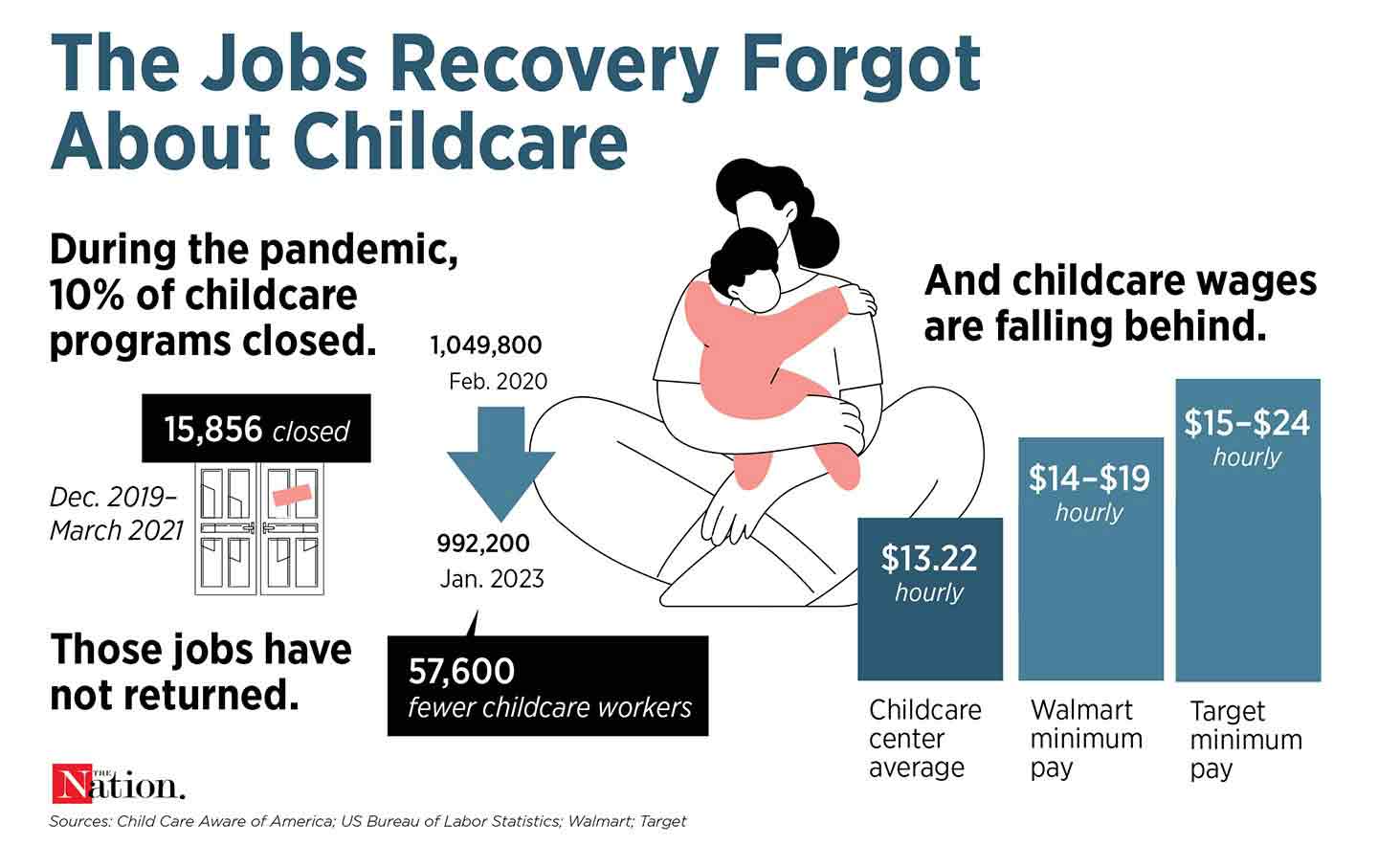
The Productivity Paradox: When Care Becomes a Luxury Good
We live in an era where productivity is worshipped like a deity. We track output in real-time, optimize workflows with AI, and celebrate the cult of hustle. Yet we’ve somehow convinced ourselves that caregiving—a 24/7 job that requires emotional intelligence, patience, and split-second decision-making—is a luxury, not a necessity. This cognitive dissonance is the heart of the productivity paradox: we demand peak performance from workers, but we refuse to invest in the infrastructure that allows them to perform.
Consider the ripple effects. When a parent can’t find care, they’re late to work. They leave early. They take mental health days. They bring their child to the office in a desperate Hail Mary. Each of these moments isn’t just a personal failure—it’s a productivity leak, a drain on efficiency that compounds across industries. Studies show that employees with access to reliable childcare are 30% more productive. That’s not a coincidence. It’s a direct result of removing a constant, gnawing distraction from their lives.
The irony? We’ve built an economy that rewards speed, but we’ve forgotten that speed is meaningless without stability. A workforce that’s constantly firefighting childcare crises isn’t a high-performing workforce—it’s a workforce in survival mode. And survival mode doesn’t innovate. It doesn’t take risks. It doesn’t build the future. It just tries to keep its head above water.
The Way Forward: Rebuilding the Care Economy, Not Just the Economy
So how do we fix this? Not with Band-Aids. Not with half-measures. We need a revolution in how we value care—starting with wages. Childcare workers deserve livable salaries, benefits, and respect. Parents deserve affordable, accessible options. And businesses? They need to stop treating caregiving as a personal problem and start treating it as an economic imperative.
This means public investment on a scale we’ve never seen before. Universal pre-K. Subsidized childcare for all income levels. Tax credits that actually cover the cost of care. And yes, corporate accountability—because when companies profit from a workforce that’s constantly distracted by unmet needs, they’re not just complicit in the crisis—they’re profiteering from it.
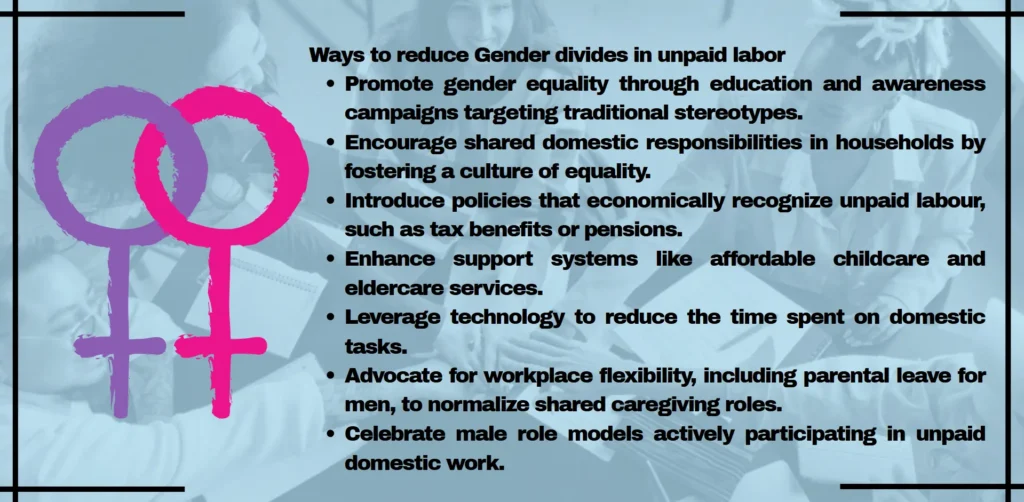
We also need to challenge the cultural narrative that caregiving is a woman’s burden. Men must step up—not just in rhetoric, but in action. Shared parental leave. Flexible work arrangements. A cultural shift that celebrates caregiving as the foundation of a strong economy, not a detour from ambition.
The childcare crisis isn’t just a women’s issue. It’s an economic issue. It’s a labor issue. It’s a societal issue. And it’s time we stopped treating it like a footnote and started treating it like the plot twist it is—the moment where we realize that an economy without care isn’t an economy at all. It’s a house of cards, waiting to collapse.
The question isn’t whether we can afford to fix this. The question is whether we can afford not to.








Leave a Comment