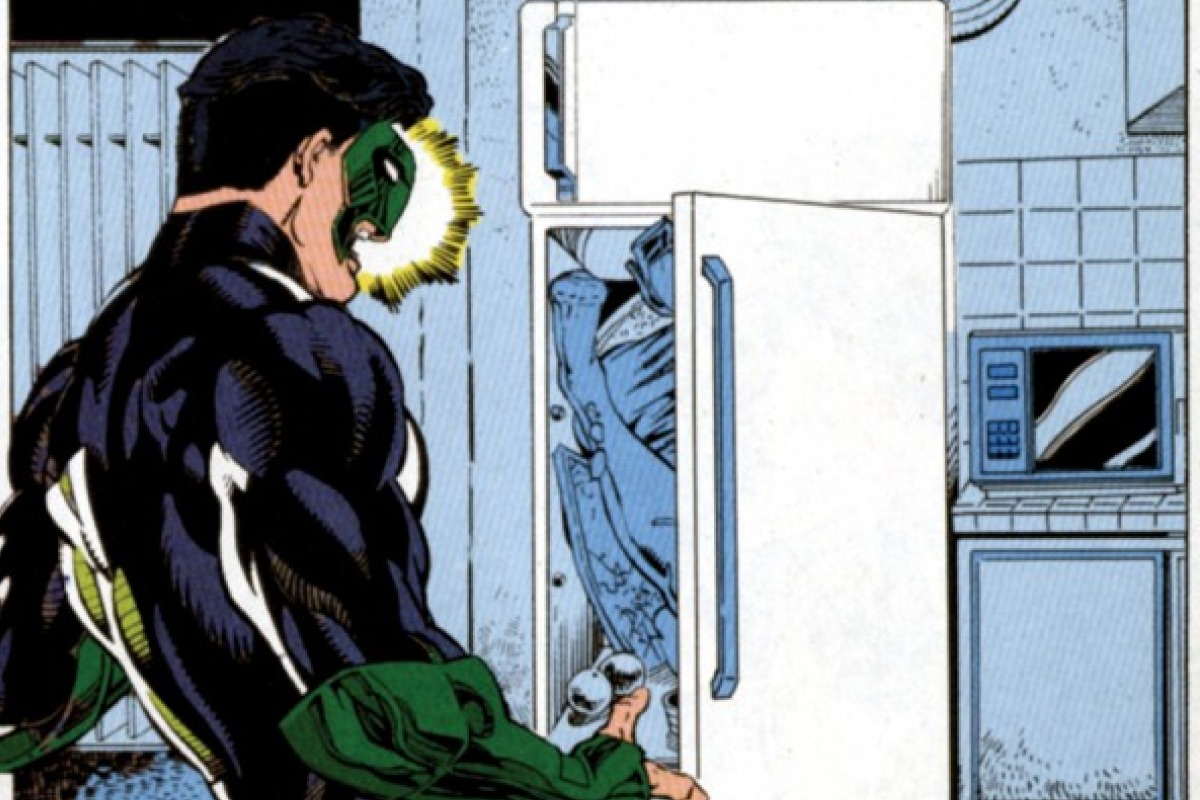
In the shadowy crevices of pop culture lies a trope so insidiously pervasive that it continues to erode the narrative agency of women—while ostensibly propelling men into their heroic arcs. The “fridging” trope, a narrative device where female characters are brutalized, killed, or otherwise reduced to mere plot catalysts for male character development, demands not only scrutiny but also a dramatic shift in perspective. What if the stories we consume did not rely on the suffering or erasure of women to validate men’s journeys? What if women were not collateral damage in the quest for masculinity? This article ventures beyond facile criticism, igniting a provocative dialogue on how this trope perpetuates gender dynamics and how storytelling can pivot towards radical inclusivity and empowerment.
The Origins and Anatomy of the Fridging Trope
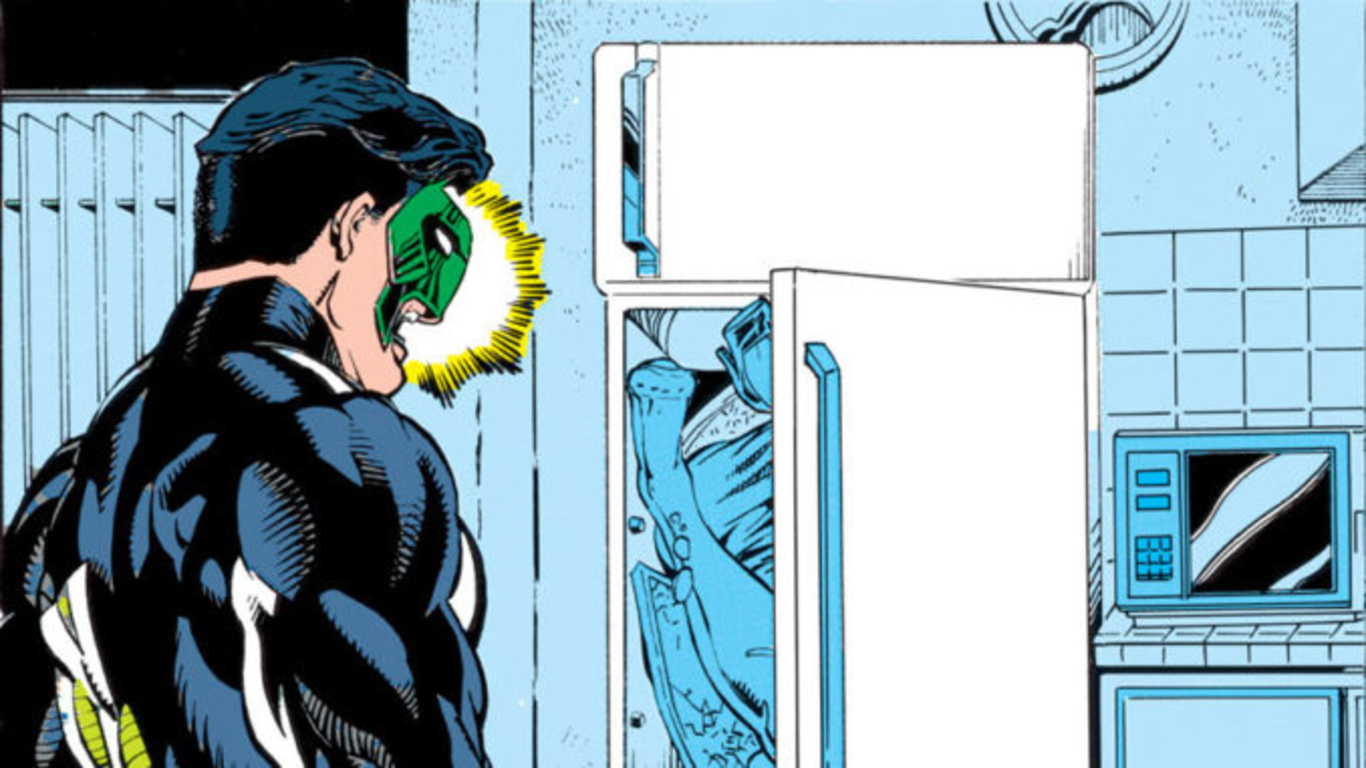
The term “Women in Refrigerators” was coined in the late 1990s to highlight a disturbing pattern in comic books where female characters were dispatched or demeaned to advance male heroes’ plots. This trope, far from confined to comics, courses through myriad narratives in film, television, and literature. At its core, this trope hinges on the disposability of women’s lives and experiences—transforming them into narrative dead weight that solely serves to motivate male protagonists.
Consider the archetypal scenario: a man’s wife, girlfriend, or close female ally is grievously harmed or killed, their trauma functioning as a plot device pushing the man towards vengeance, redemption, or awakening. These women rarely receive depth, agency, or redemption; their existence converges predominantly on their impact upon men’s trajectories. This narrative crutch fosters a calculated imbalance, reinforcing patriarchal hierarchies by implying women’s stories are subordinate to men’s destinies.
Why Fridging Persists: The Comfort of Familiar Narratives
Why does this trope endure with such stubborn tenacity despite increasing awareness? The answer lies partly in narrative inertia and the entrenched comfort zones of mainstream storytelling. The fridging trope offers a quick, emotionally charged catalyst to propel plotlines, circumventing the complexity and nuance of developing fully fleshed female characters. It operationalizes women as interchangeable pawns, eliminating the need for writers and creators to invest in authentic female perspectives.
Moreover, the trope aligns dangerously well with traditional notions of masculinity—emphasizing a man’s journey through loss, trauma, and ultimately, redemption or dominance. This reinforces the gendered mythos of men as primary agents of action and women as ancillary emotional tools. It speaks to a broader cultural reluctance to wrestle with female autonomy. Instead of challenging systemic gender biases, the narrative opts for facile tragedy.
Fridging’s Cultural and Psychological Repercussions
It is tempting to dismiss the fridging trope as mere storytelling laziness, yet its implications ripple far beyond fictional worlds. The routine erasure and exploitation of women in media reflect and perpetuate societal attitudes that devalue female existence. The psychological toll of consuming such narratives is profound. For female audiences, it signals a disheartening message: their experiences are disposable, their agency secondary.
Equally disturbing is the impact on male viewers and readers, who are subtly conditioned to internalize heroism and emotional growth as intrinsically linked to women’s suffering. This not only distorts masculinity but ingrains unhealthy relational dynamics where empathy and respect for women become conditional or performative. The trope normalizes violence against women, rendering it narrative shorthand rather than a serious subject demanding nuance and care.
Subverting the Trope: Voices and Stories That Resist
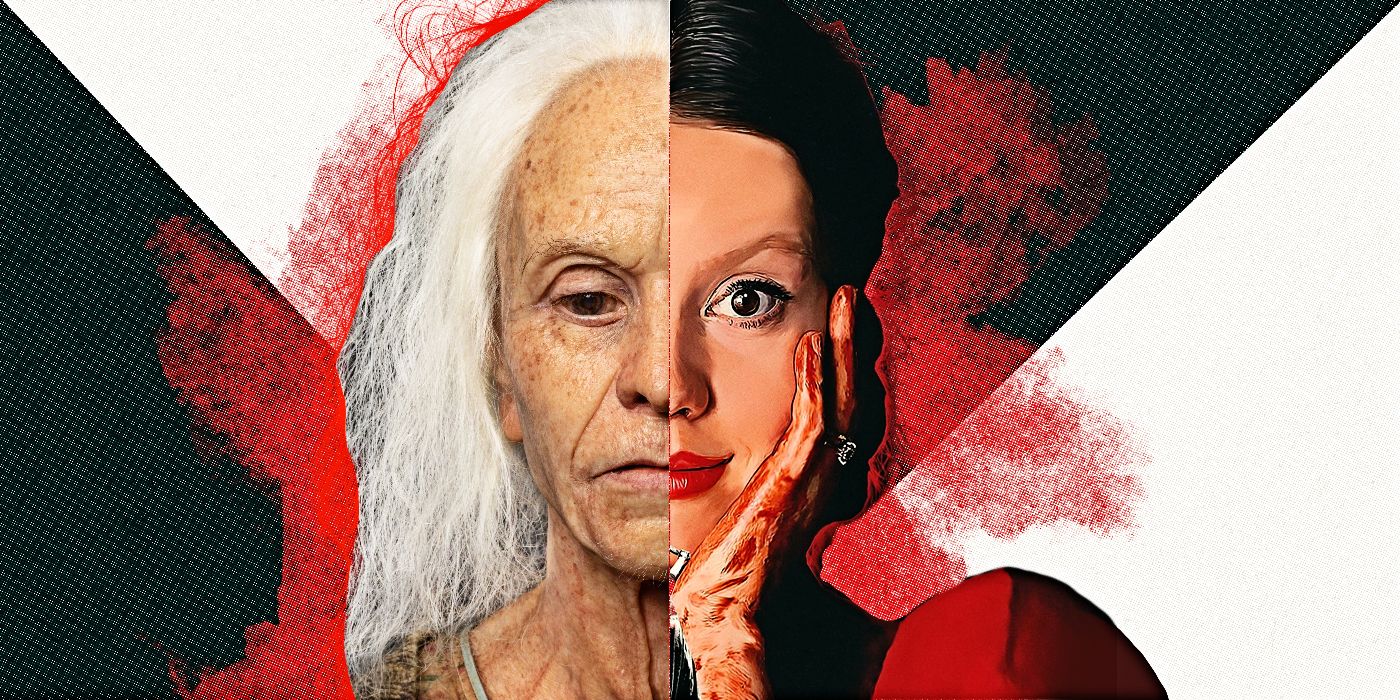
However, storytelling is a living organism—capable of evolution and revolution. The burgeoning emergence of female-led narratives, especially within horror and thriller genres, offers a tantalizing glimpse into what the future can hold when women refuse to be collateral damage. Characters emerge not as victims but as complex antagonists, survivors, or heroes in their own right.
This narrative rebellion challenges the tired conventions of fridging and demands that creators eschew misogynistic shortcuts. By centering women’s agency and exploring their psychologies without subordinating their fate to male character arcs, stories gain a multidimensional vitality. Such narratives invigorate the cultural landscape, inviting audiences of all genders to invest in richer, more authentic human experiences.
Moving Beyond Fridging: Toward Equitable Storytelling
Transforming the storytelling paradigm from one reliant on fridging to one founded on equitable representation demands deliberate action. It entails dismantling the complacency that allows female casualties to be narrative devices rather than characters with depth and consequence. Writers, directors, and producers must prioritize female perspectives—not as tokens, but as integral architects of story worlds.
This shift also involves interrogating audience expectations and encouraging active consumption that challenges rather than passively accepts gendered tropes. Storytelling that embraces intersectionality, values diverse voices, and refuses the easy dramaturgical fallback of sacrificing female characters fosters narratives that resonate more honestly and powerfully.
Reimagining Justice: When Women Drive the Redemption
Imagine futures where women’s survival, resilience, and empowerment fuel—not hinder—narrative momentum. Redemption arcs, quests for justice, and transformative growth belong equally to women as much as men. The stories that capture this recalibration do more than correct a misogynistic oversight; they revolutionize what heroism and trauma mean in storytelling.
They invite audiences to empathize with complexity and reject reductive binaries of savior and victim. Women are no longer just fridged shadows nudging men forward but luminous protagonists compelling us all to reconsider the nature of courage, love, and sacrifice. It’s a storytelling renaissance long overdue—one that transforms narratives from casualties of patriarchal convenience into triumphant testimonies of female agency.







Leave a Comment