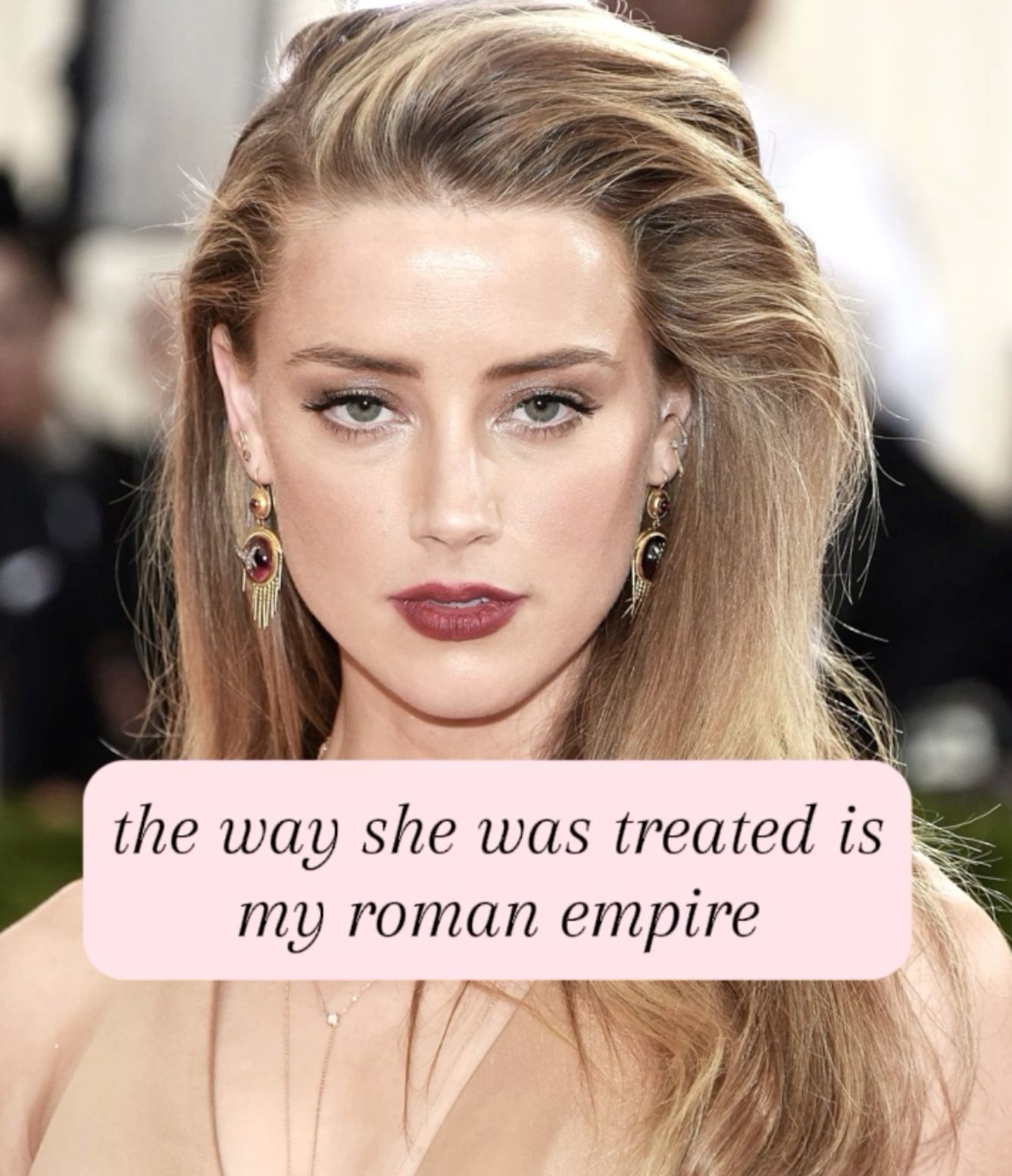
In the volatile realm of social media, where every tweet or post can ignite a digital wildfire, standing up with a controversial viewpoint is akin to walking a tightrope over a pit of roaring lions. She did it. She posted her unpopular opinion on feminism—and in an instant, she lost 10,000 followers. This is not just a story of numbers; it is a seismic moment that demands introspection, a portent of the turbulent crossroads feminism faces in the digital age. What can the fallout from such a bold declaration tell us about our collective mindset? And more importantly, how might it reshape the discourse surrounding feminism itself?
The Anatomy of an Unpopular Opinion
To understand the gravity of this moment, we must first dissect the nature of “unpopular opinion.” In her post, she challenged mainstream feminist narratives, addressing uncomfortable truths that many prefer to dodge. Was it a critique of prevailing feminist orthodoxies? Did it question the inclusivity—or lack thereof—that plagues contemporary discourse? Whatever the angle, it was a carefully considered divergence from the echo chamber.
Unpopular opinions don’t simply dissent for dissent’s sake; they force us to reevaluate assumptions deeply ingrained in social consciousness. Yet, when such opinions are aired in a digital ecosystem hungry for likes and shares, the backlash can be merciless. The loss of 10,000 followers is not merely a statistic; it is a cultural repudiation, a digital boycott signaling that her views unsettled the collective comfort zone.
The Digital Mob and the Cult of Conformity
Social media platforms, powerful though they are, have inadvertently fostered a cult of conformity under the guise of “safe spaces.” These communities often polish and regurgitate variations of the dominant feminist ideology, marginalizing any dissent with ruthless efficiency. The instant reaction to her post was a microcosm of this phenomenon—virtual lynch mobs formed, not to engage in dialogue but to excise the anomalous voice.
This raises urgent questions about the health of feminist discourse online. Has the platform designed to amplify diverse voices become a monoculture? Is the digital feminist community inadvertently replicating the same dogmatic structures it seeks to dismantle? When followers count supersedes the freedom to express, feminism risks transforming into an ideological club rather than a movement for collective liberation.

The Cost of Authenticity in a Polarized World
Authenticity is a double-edged sword on social media. To speak truth to power often means alienation, especially when the truth is inconvenient or unsettling. Her willingness to expose fissures within feminism underscores a courageous authenticity that many shy away from. It takes fortitude to stand alone when the digital tide ebbs violently against you.
Yet, the loss of followers—10,000 in a heartbeat—reveals just how high the cost of authenticity truly is. Beyond numbers lies the psychological toll: isolation, surveillance, and a chilling effect on others who might harbor similar thoughts but fear reprisal. Ironically, such reactions stifle the very critical self-examination feminism needs to evolve, trapping the movement in an echo chamber of sanitized ideas.
Unpacking the Fallout: Beyond the Numbers
What does losing 10,000 followers signify beyond vanity metrics? It symbolizes a rupture in trust and an urgent call for nuanced dialogue. Followers, in this context, are not passive spectators; they are invested participants in an ongoing social contract. When that contract breaks, it highlights the fragility of online communities built more on alignment than on critical reflection.
However, this fallout carries a paradoxical potential: it invites reflection not only from the individual who posted but from the community as a whole. Could this reaction be a wake-up call to reassess the uncomfortable undercurrents within feminist circles? Might it provoke a more robust engagement with dissenting perspectives, even if they challenge identity and ideology?
Reconciling Dissent with Solidarity
Feminism at its core is a movement for inclusivity and equity. Yet, its digital incarnation sometimes forgets this foundational principle. Reconciling dissent with solidarity requires a radical shift—a willingness to prioritize listening over policing. It calls for cultivating spaces where divergent views are not threats but opportunities for growth and healing.
Such reconciliation demands courage from all sides. For the dissenting voice, it requires resilience to withstand the backlash. For the community, it necessitates humility to accept that feminism isn’t a monolith but a mosaic of lived experiences, struggles, and philosophies that cannot be neatly packaged or universally agreed upon.
The Promise of a New Feminist Discourse
The spark ignited by her post and the subsequent fallout suggests a brewing paradigm shift. Moving forward, feminism must reckon with its internal conflicts openly and honestly. It must embrace complexity and reject the temptation for ideological purity. By doing so, the movement can reclaim its radical roots—revolutionary, inclusive, and unafraid of discomfort.
This moment invites us all—activists, allies, critics—to examine our roles in a digitally mediated feminist landscape. Can we foster a feminism bold enough to hold contradictions? Can we listen as fiercely as we speak? The promise of this new discourse lies precisely in that uneasy but necessary embrace of multiplicity.

Conclusion: Beyond the Fallout, Toward Transformation
She lost 10,000 followers overnight, but this loss is more than a social media scandal. It is an inflection point—a confrontation with the limitations and possibilities of feminism today. It compels us to move beyond superficial solidarity and engage in the arduous, often uncomfortable work of true transformation.
In the end, the value of her unpopular opinion lies not in how many stood by her, but in how many will pause, reflect, and dare to imagine a feminism robust enough to withstand disagreement and rich enough to grow from it. The question now is not just who is following whom, but whether we are following the path of authentic, fearless progress.







Leave a Comment