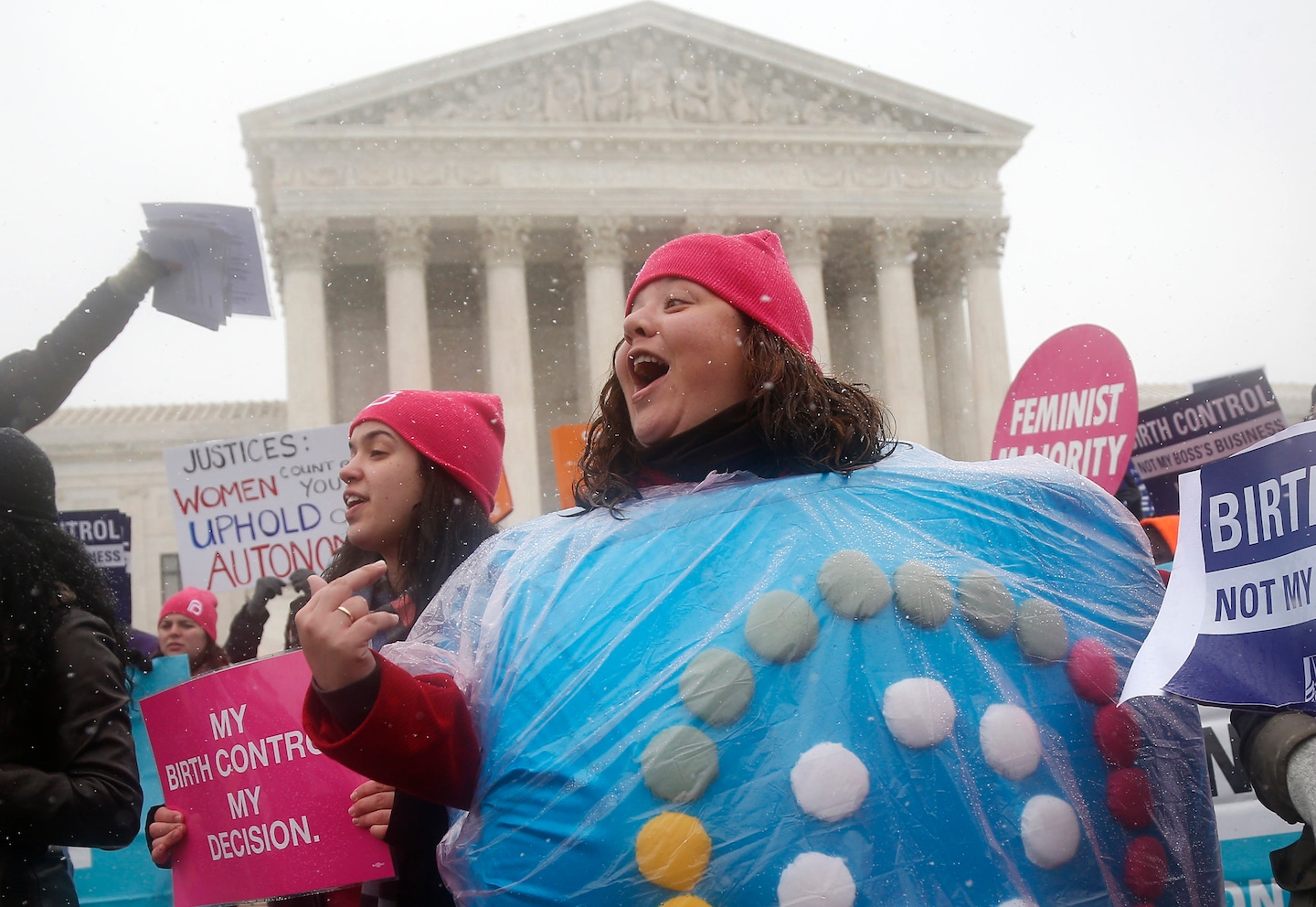
There was a time when the collective roar of the Women’s March electrified streets and screens alike—a rallying cry that promised seismic shifts in the landscape of gender equity. Yet, as the urgent flames of the Black Lives Matter movement surged forward—exposing raw racial injustices and demanding systemic upheaval—the unabated passion of the Women’s March seemed to dissipate into a disconcerting quiet. Why does the energy that fuels feminist activism falter when confronted with the radical urgency of racial justice? The answer lies in the intricate entanglement of intersectionality, institutional complacency, and the erasure of Black women’s voices within feminist spaces. This exploration unpacks the fissures that dilapidate solidarity and exposes how divergent trajectories undermine the harmonious coexistence of these movements.
The Monolith Myth: The Illusion of Unified Feminist Momentum
The narrative surrounding the Women’s March, while galvanizing millions, often coalesces into a monolith that erases nuances and silences dissenting experiences within the movement. The predominant representation reflects a narrow demographic—primarily middle-class, cisgender, white women—whose priorities, while valid, do not always resonate with the multi-dimensional struggles faced by Black women. This homogenization breeds an implicit exclusivity, stifling diverse narratives and relegating intersectional issues to the periphery.

When feminist activism becomes an echo chamber for a singular experience, the nuanced realities of systemic racism, police brutality, and racialized violence encountered by Black women are marginalized—effectively alienating a critical constituency whose voices are paramount. Consequently, the Women’s March risks being perceived as a movement disconnected from the urgent calls of Black Lives Matter, unwittingly fostering a schism grounded in erasure rather than equity.
Intersectionality in Theory, but Not Always in Practice
Intersectionality—coined by Kimberlé Crenshaw—is more than an academic concept; it is a call to recognize the overlapping systems of oppression that Black women uniquely navigate. Yet, this framework is often applauded in feminist discourse without being fully implemented in praxis. The Women’s March, while nodding to intersectionality, frequently falls short when confronting systemic racism within its own ranks. The discomfort surrounding racial conversations prompts superficial solidarity rather than substantive change.
Superficial inclusivity manifests as symbolic gestures—hashtag activism, platitudinal statements—while structural inequities remain unaddressed. This performative intersectionality denudes the movement’s foundation and disengages Black activists, who witness their lived realities trivialized or appropriated without tangible redress.
Racial Fatigue and the Politics of Visibility
One of the most profound inhibitors of sustained energy bridging these movements lies in racial fatigue—the exhaustion borne from relentless advocacy amidst persistent resistance. For Black Lives Matter, the fight is both personal and existential; it is a perpetual confrontation with institutions that perpetuate violence and systemic disenfranchisement. The Women’s March, by contrast, often operates within institutional frameworks that offer less immediacy in threat perception, enabling participant burnout and fluctuating commitment.

Moreover, the politicization of visibility plays a catalytic role—Black Lives Matter demands not only presence but radical accountability and transformation. This intensity can seem jarring or overwhelming to those whose feminism has traditionally operated within less confrontational contours, resulting in a withdrawal or dilution of energy that paradoxically undermines the quest for shared liberation.
Structural Barriers Within Feminist Organizing
Institutional dynamics within feminist organizing further exacerbate the fissures between Women’s March activism and the Black Lives Matter movement. Leadership structures, funding channels, and decision-making processes often reflect entrenched racial hierarchies. These disparities influence agenda-setting, resource distribution, and media representation, sidelining Black-led initiatives and diminishing their visibility.
Without intentional redistribution of power and reparative mechanisms, feminist spaces inadvertently replicate the very inequities they seek to dismantle. The result is a cyclical marginalization of Black activists who shoulder dual burdens: fighting both gendered and racial oppression, while navigating exclusion from within their purported allies’ ranks.
Media Narratives and the Commodification of Activism
The media’s portrayal of the Women’s March versus Black Lives Matter is indicative of a broader socio-political valorization that influences public perception and internal motivation. Women’s March coverage often aligns with palatable protest imagery—respectable, orderly, and centered around traditionally feminine symbols. Black Lives Matter, conversely, is framed in contexts of unrest and disruption, eliciting polarized reactions.

This dichotomy contributes to the commodification of activism where the Women’s March becomes an annual spectacle, safely digestible, while Black Lives Matter embodies an unyielding demand for justice that unsettles the status quo. As commercialization and co-optation creep into feminist protest, the radical edge necessary for sustained, intersectional change is blunted, inadvertently fueling the disappearance of unified energy.
Bridging the Divide: Toward a Coalition of Relentless Solidarity
Reinvigorating feminist energy alongside Black Lives Matter requires deliberate, uncomfortable intersectional reckoning. It demands embracing discomfort as a catalyst for growth—immersing in conversations about privilege, accountability, and reparative justice.
This coalition must amplify Black women’s leadership, redistribute resources equitably, and resist the urge to sanitize activism for mainstream consumption. Solidarity is not performative; it is the gritty labor of recognizing interconnected oppressions and co-creating pathways that dismantle all systems of injustice simultaneously.
Ultimately, feminist activism that fails to sustain its energy in the face of Black Lives Matter does not merely risk losing momentum; it neglects its own foundational tenets of equity and justice. Only by dismantling the fissures of exclusion can it become a movement truly invincible, emboldened by the collective power of all its constituents.








Leave a Comment