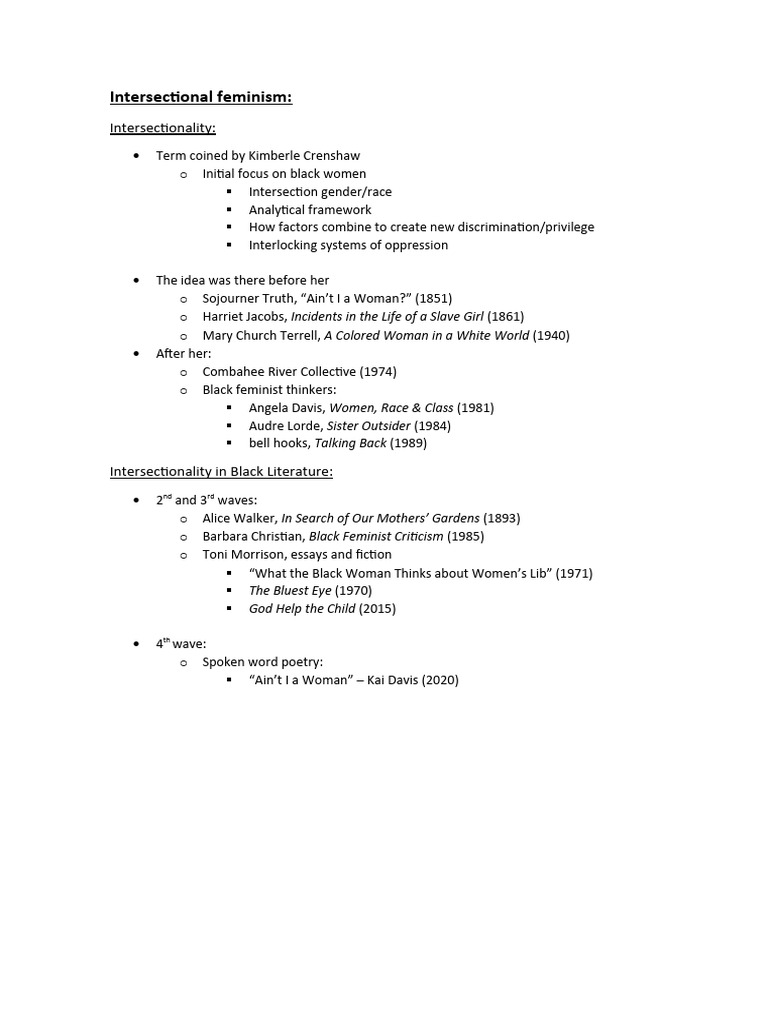
Feminism, at its most incandescent core, has always been about liberation. But liberation from what? And for whom? These are questions that, if left unexamined, can leave entire swathes of humanity languishing in the very shadows the movement purports to dispel. Enter intersectionality: not just a concept, but a radical paradigm shift, a lens that refracts the light of feminist thought to reveal the multifaceted oppressions that crisscross and compound to create unique experiences of marginalization. It’s time we delve into this intellectual crucible and forge a deeper understanding.
The Single-Axis Fallacy: A House Built on Sand
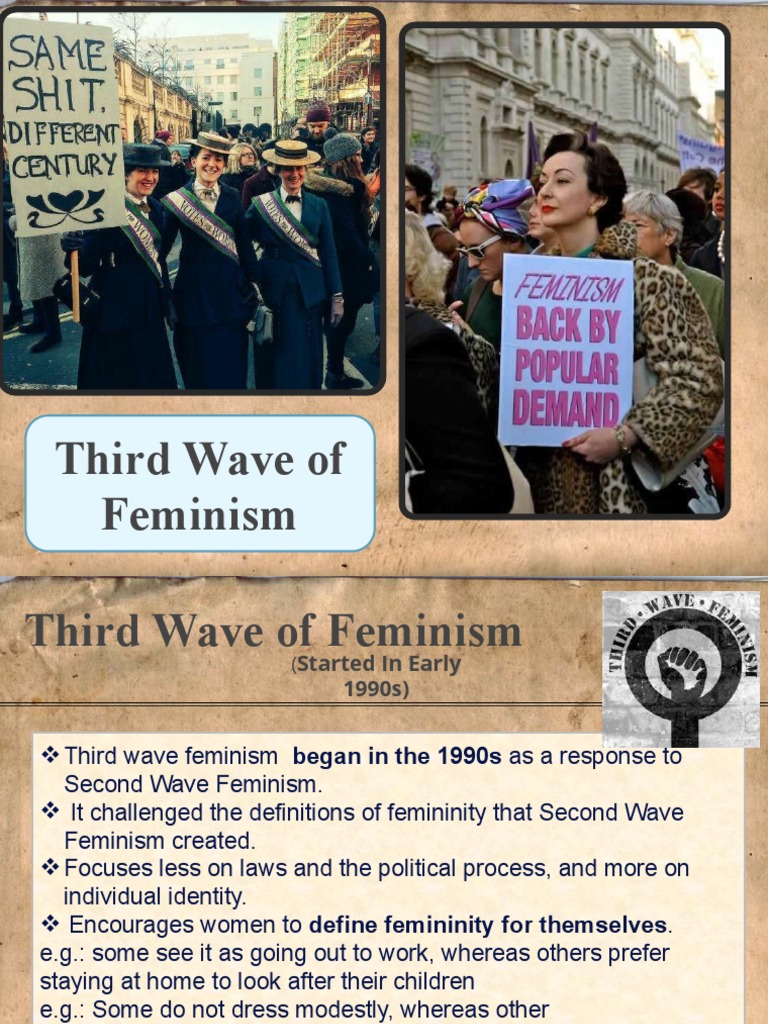
For far too long, mainstream feminism operated on a single-axis framework, primarily focusing on gender as the singular source of oppression. Think of it like building a magnificent edifice on a foundation of sand. Beautiful, perhaps, but inherently unstable, prone to crumbling under the weight of realities it couldn’t comprehend. This “universal woman” narrative, often centered on the experiences of white, middle-class, cisgender women, inadvertently marginalized those whose lives were shaped by the intricate interplay of race, class, sexuality, disability, and other vectors of identity. To assume all women share the same struggles is not only naive; it’s a form of erasure.
Imagine a Black woman navigating the professional landscape. She doesn’t just face gender discrimination; she faces the insidious specter of racism, often encountering microaggressions and systemic biases that her white counterparts may never experience. Her journey is not simply “woman plus obstacle”; it is a complex tapestry woven with threads of both gender and race, creating a unique and often more formidable challenge. This is precisely where the single-axis framework falters, incapable of capturing the nuanced reality of her lived experience.
Kimberlé Crenshaw: The Architect of Intersectionality
The intellectual genesis of intersectionality is largely attributed to Kimberlé Crenshaw, a legal scholar whose groundbreaking work in the late 1980s and early 1990s illuminated the inadequacy of existing legal frameworks to address the combined discrimination faced by women of color. Crenshaw used the metaphor of a traffic intersection to illustrate her point. Imagine the intersection of gender and race. If an accident occurs, which “direction” caused the collision? Was it gender discrimination, racial bias, or a confluence of both? Attempting to isolate a single cause is futile; the harm stems from the convergence of multiple forces.
Crenshaw’s work forced a reckoning within feminist theory and activism. It challenged the notion of a monolithic “womanhood” and demanded recognition of the diverse experiences shaped by intersecting identities. Her framework provided a vocabulary and a methodology for understanding how power operates in complex and often invisible ways.
Beyond Gender: A Kaleidoscope of Oppressions
Intersectionality extends far beyond the interplay of gender and race. It encompasses a vast spectrum of identities and social categories, each contributing to unique experiences of marginalization. Let us consider a few:
Class: The economic realities of a woman profoundly shape her access to resources, opportunities, and even her vulnerability to certain forms of violence. A wealthy woman may have the means to escape an abusive relationship, while a woman living in poverty may be trapped by financial constraints. Class, therefore, is not a peripheral concern but a central determinant of a woman’s life chances.
Sexuality: Lesbian, bisexual, and queer women often face discrimination within both heteronormative society and even within some feminist circles. Their experiences of marginalization are compounded by homophobia, biphobia, and the persistent erasure of their identities.
Disability: Women with disabilities encounter unique challenges, often facing ableism in addition to sexism. They may be excluded from opportunities, denied access to healthcare, and subjected to harmful stereotypes. Intersectionality demands that we consider the ways in which disability intersects with gender to create specific forms of oppression.
Religion: A woman’s religious affiliation can profoundly impact her access to rights, her autonomy, and her social standing. Women from minority religious groups may face discrimination and prejudice based on their faith. Intersectionality requires us to acknowledge the diverse ways in which religion intersects with gender to shape women’s lives.
The Power Dynamics: Decentering Privilege
At its core, intersectionality is about understanding power dynamics. It challenges us to examine how social structures perpetuate inequality and how privilege operates to advantage certain groups while marginalizing others. Decentering privilege is not about guilt or shame; it is about acknowledging the unearned advantages that accrue to us based on our social identities. It’s about recognizing that our experiences are not universal and that we have a responsibility to use our privilege to advocate for those who are marginalized.
For example, a white woman engaging in feminist activism must be mindful of her racial privilege and avoid centering her own experiences as the default. She must listen to and amplify the voices of women of color, recognizing that their perspectives are often marginalized within mainstream feminist discourse. This requires a commitment to ongoing learning, self-reflection, and a willingness to challenge her own assumptions.
Intersectionality in Action: Praxis and Policy
Intersectionality is not merely an abstract theoretical concept; it is a call to action. It demands that we translate our understanding of intersecting oppressions into concrete strategies for social change. This requires a multi-pronged approach that addresses systemic inequalities at multiple levels.
Policy Reform: Intersectionality informs policy development by ensuring that laws and programs address the needs of marginalized groups. For example, policies aimed at reducing gender-based violence must take into account the specific vulnerabilities of women of color, LGBTQ+ women, and women with disabilities.
Grassroots Activism: Intersectionality empowers grassroots movements by fostering solidarity across different social groups. When activists from different backgrounds come together to address common concerns, they can build more powerful and effective coalitions. This requires a commitment to inclusivity, mutual respect, and a willingness to learn from one another.
Education and Awareness: Intersectionality promotes education and awareness by challenging dominant narratives and amplifying marginalized voices. By incorporating intersectional perspectives into educational curricula, we can cultivate a more inclusive and equitable society. This also involves challenging harmful stereotypes and promoting positive representations of diverse identities in the media.
The Backlash: Weaponizing Divisiveness
Unsurprisingly, the rise of intersectionality has been met with resistance. Critics often accuse it of promoting divisiveness, identity politics, and a fragmentation of the feminist movement. They argue that focusing on differences undermines solidarity and weakens the collective struggle for gender equality. This is a dangerous and disingenuous misrepresentation of intersectionality’s aims.
Intersectionality is not about creating divisions; it is about recognizing the existing divisions that have historically been ignored or minimized. It is about acknowledging that women are not a monolithic group and that their experiences are shaped by a complex web of intersecting identities. To deny these realities is to perpetuate inequality and to silence the voices of those who are most marginalized.
Furthermore, the accusation of “identity politics” is often used to dismiss the concerns of marginalized groups. It implies that their experiences are somehow less legitimate or less important than those of the dominant group. This is a classic tactic used to silence dissent and to maintain the status quo.
The Future of Feminism: Embracing Complexity
The future of feminism hinges on its ability to embrace complexity and to incorporate intersectional perspectives into its core principles. We must move beyond simplistic narratives of gender equality and recognize the multifaceted nature of oppression. This requires a commitment to ongoing learning, self-reflection, and a willingness to challenge our own biases.
Let us not shy away from the difficult conversations. Let us not be afraid to confront our own privilege. Let us embrace the messy, complex, and often uncomfortable work of building a truly inclusive and equitable movement. The liberation of all women depends on it. The future of feminism demands that we create a tapestry woven with threads of empathy, understanding, and unwavering solidarity. Only then can we hope to build a world where every woman, regardless of her race, class, sexuality, disability, or any other facet of her identity, can live with dignity, freedom, and justice.
Let intersectionality be the lodestar guiding us toward a more just and equitable horizon, illuminating the paths of those too long left in the penumbra of indifference.





Leave a Comment