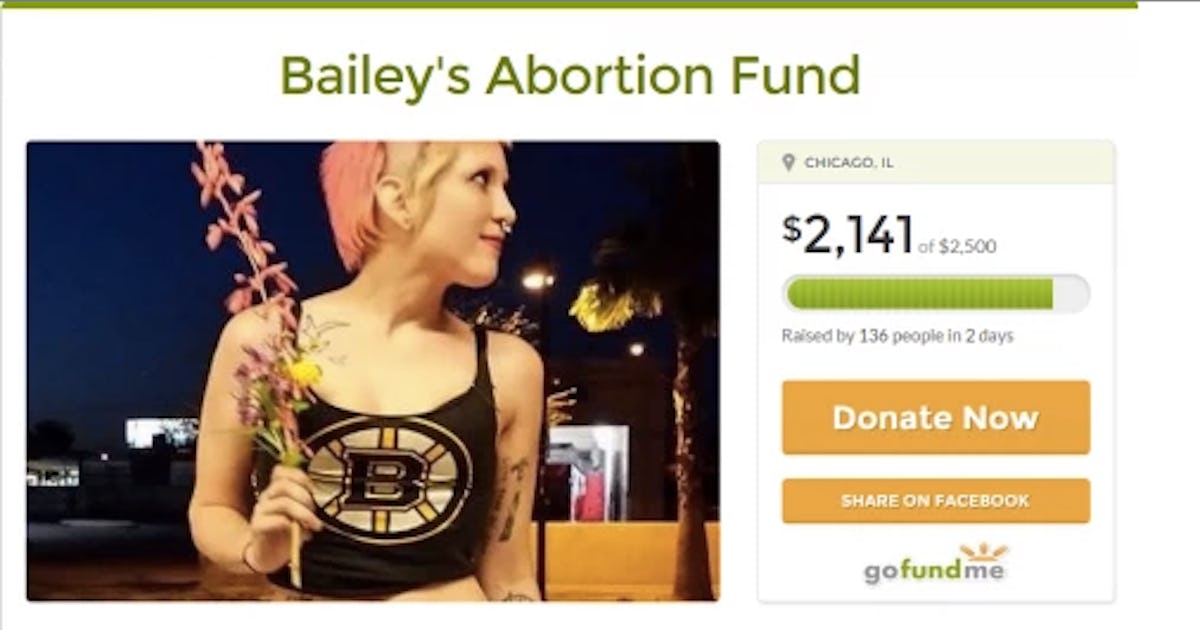
In an era where reproductive autonomy is increasingly under siege, the ways women maneuver to reclaim agency are both inventive and defiant. Amidst this tempest of legislative restrictions and societal stigmas, a single woman managed to fund 100 abortions through the sprawling networks of social media. It is a story that not only challenges the contours of activism but also exposes the deeper cultural fascination with abortion—rooted in taboo, politics, and the urgent human need for solidarity.
The Unseen Power of Social Media in Reproductive Justice
Social media, often dismissed as a frivolous space for selfies and fleeting trends, has morphed into a formidable battlefield and a sanctuary for reproductive justice. This woman’s endeavor was neither random nor purely transactional; it was a calculated reclamation of digital space. Through tweet threads, Instagram stories, and viral crowdfunding campaigns, she tapped into an undercurrent of solidarity swelling beneath the surface of online communities.
Her campaigns unfurled like modern-day pamphlets—urgent, raw, and unfiltered. Messages disseminated across platforms traversed geographic and socio-economic boundaries, knitting together an improbable collective with a singular mission: to finance abortions for those crippled by financial, legal, or societal barriers. Social media’s immediacy allowed her cause to transcend digital noise, transforming clicks and shares into tangible lifelines.

Addressing the Common Observation: Why Does Abortion Continue to Captivate?
Abortion remains one of the most polarizing topics globally, yet paradoxically, it captures a magnetic fascination that extends beyond political divides. The intrigue does not stem merely from the act itself, but from the narratives spinning around it—stories brimming with defiance, vulnerability, and the raw confrontation of bodily autonomy. This fascination is rooted in a cultural paradox: the tension between the desire to control female bodies and the undeniable, uncompromising reality of women’s lives.
Many observers remark on the persistent obsession society holds with abortion, treating it like a spectacle rather than a health service or human right. But beneath this fascination lurks a profound cultural anxiety. It reflects fears of female empowerment and the assertion of control over one’s reproductive destiny. The crowdfunding of 100 abortions amplifies this dynamic, revealing how abortion transcends privacy, becoming a form of collective resistance that demands attention, challenges stigma, and refuses invisibility.
The Mechanics of Crowdfunding Abortion: Strategy and Solidarity
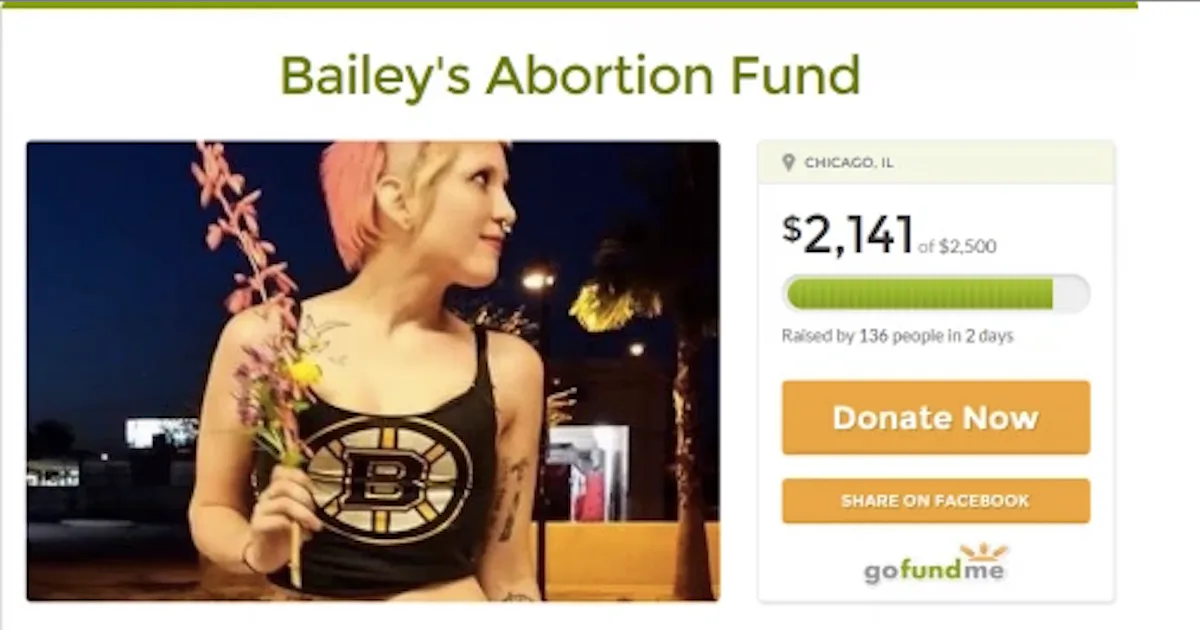
Winning hearts and wallets in the clutter of online content is no small feat. The orchestrator behind funding these 100 abortions understood this implicitly. She deployed a sophisticated strategy, intertwining storytelling with transparency, leveraging personal anecdotes to humanize an issue too often relegated to sterile debates.
This was not simple fundraising; it was radical communal care made visible. By laying bare individual stories—each braced against hardship, judgment, and uncertainty—she galvanized empathy and action. Followers were not mere donors; they became participants in a broader movement that blurred the lines between charity, activism, and social rebellion.
Moreover, she cultivated a digital ecosystem of accountability, regularly updating contributors on fund usage and outcomes. This transparency forged trust, a rare currency in the often cynical arena of online giving. The resulting network was resistant to the dehumanizing narratives that attempts to suppress abortion often try to impose.
Countering Oppression: The Role of Abortion Funding in a Restrictive Era
In a landscape marred by draconian laws and relentless moral policing, crowdfunding abortions transcends mere convenience; it becomes an act of insurgency. Each funded procedure is a slap in the face of legislative overreach and societal shaming. It says that despite barriers, women will find ways—creative, communal, and uncompromising—to assert control and protect their health.

In this context, the digital patronage of abortions contends directly with systemic inequities. It highlights the glaring disparities in access: geography, income, and race all intersect to shape who can obtain an abortion safely and who cannot. The crowdfunding model spotlights these fault lines by mobilizing resources where policy fails and institutions hesitate.
The Ripple Effects: Social Media Abortion Funding as a Catalyst for Change
The implications of funding 100 abortions through social media reverberate far beyond the immediate individuals assisted. It punctures the silence surrounding reproductive choices, challenging the pervasive shame that shackles discourse on abortion. This visibility disrupts the sanitized and demonized portrayals that politicians and media alike perpetuate.
Furthermore, such a grassroots campaign galvanizes broader activism by inspiring others to leverage digital platforms for advocacy. It cultivates a new consciousness, one that understands access to abortion not as an isolated issue, but as part of a holistic struggle for gender justice, healthcare equity, and human rights.
Where laws fail, where institutions turn a blind eye, the combined force of personal narratives and community funding becomes a revolutionary act—an assertion that autonomy will not be dictated by the few but defended by the many.
Conclusion: Beyond Funding, A Movement Embodied
Funding 100 abortions through social media is more than a numerical milestone—it is a clarion call to the feminist insurgency breathing through digital veins. It is a vivid testament to the power of communal responsibility, the urgency of reproductive freedom, and the resolute refusal to be silenced by stigmatization or political maneuvering.
This phenomenon forces us to confront our collective ambivalence towards abortion: simultaneously reviled and revered, shrouded in secrecy yet accessible through communal networks of care. The act of crowdfunding abortions is no longer just about money; it is about forging unbreakable bonds in the battleground over bodies, rights, and futures.








Leave a Comment