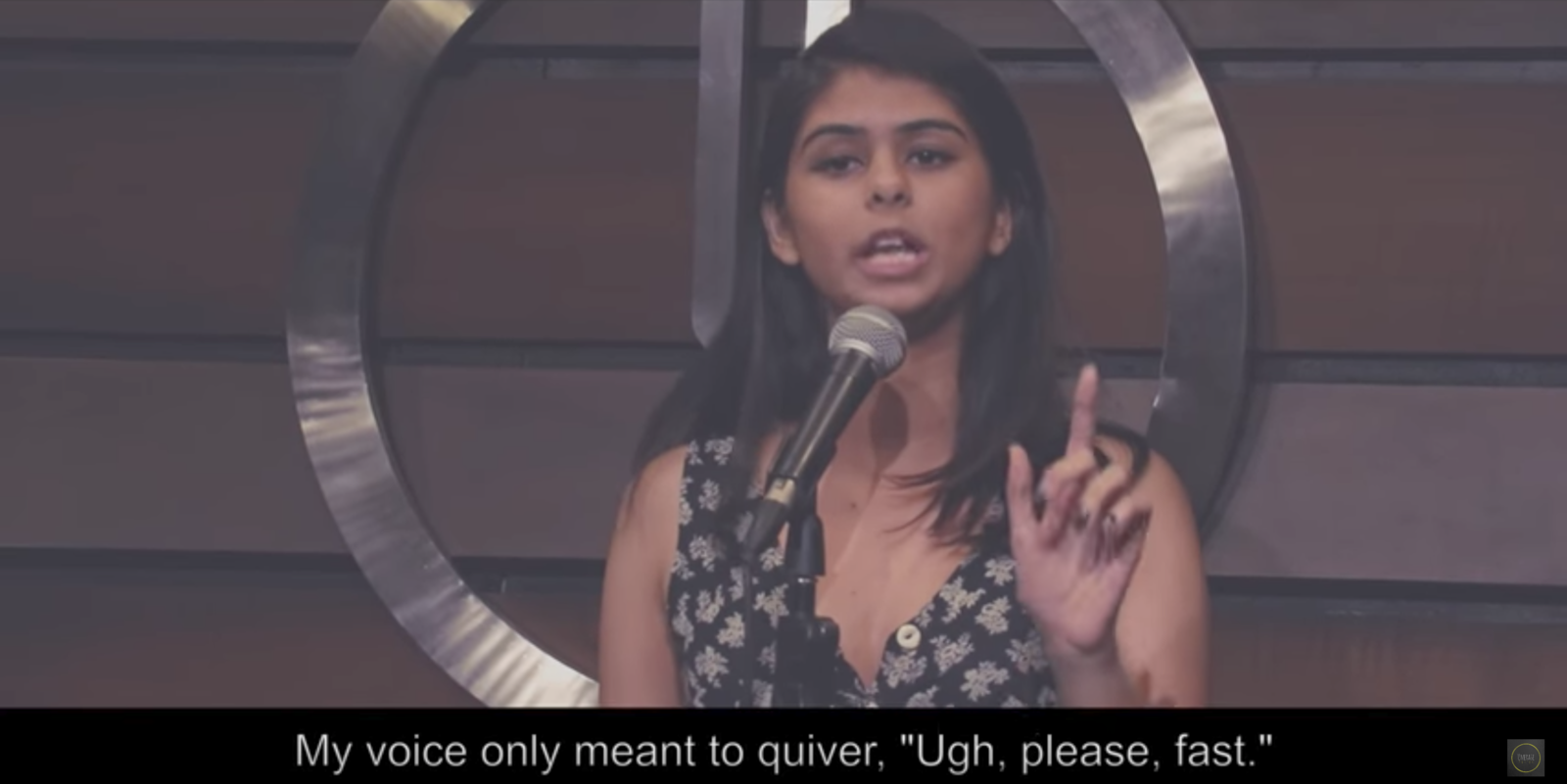
In the sprawling landscape of feminist movements, a persistent fissure has long threatened the cohesion necessary for true progress: the tension between white feminists and women of color. The call to “pass the mic” has become both a rallying cry and a litmus test for genuine allyship. Yet, when this demand is made, a familiar defensive posture emerges—an intricate web of discomfort, deflection, and resistance. Exploring this dynamic is not merely an academic exercise; it unearths the raw underbelly of a movement grappling with its own contradictions, privilege, and failure to fully embrace intersectionality.
The Demand to “Pass the Mic”: More Than a Metaphor
When marginalized feminists insist that white feminists relinquish the spotlight, it’s not a rhetorical flourish but a strategic imperative. “Passing the mic” symbolizes more than just allowing women of color to speak; it embodies acknowledgment of systemic erasure, historical silencing, and gatekeeping within feminist spaces. It is a demand to dismantle structures that perpetuate exclusion and ensure that narratives are not monopolized by the privileged.


In practice, this means creating platforms where diverse experiences are not tokenized but authentically centered. It requires a humbling recognition that feminist struggles are not monolithic; race, class, sexuality, and other identities intersect to shape different realities. The persistence of “passing the mic” as a rallying phrase underscores the ongoing exclusion many women still face even within spaces theoretically dedicated to liberation.
White Feminist Defensiveness: The Walls That Silence
For many white feminists, hearing the call to pass the mic can trigger an immediate defensive reaction. This defensiveness manifests in myriad ways—denial of privilege, reframing the conversation to focus on perceived reverse discrimination, or dismissing the criticism as divisive. Such responses expose an uncomfortable truth: the movement’s fault lines are not only external but are deeply entrenched among its self-proclaimed champions.
The defensiveness is often a shield against guilt and accountability. It reflects an inability or unwillingness to confront how whiteness has shaped feminist agendas, often sidelining or appropriating the voices and struggles of women of color. Even well-meaning white feminists can react protectively when asked to yield space, revealing unconscious biases and a desire to maintain verification within the movement’s hierarchy.
Intersectionality: The Compass for Navigating Feminist Terrain
Intersectionality is not just a buzzword—it’s the vital lens through which these conflicts can be understood and resolved. Coined by Kimberlé Crenshaw, the term exposes the overlapping systems of oppression that women endure. Failure to adopt intersectionality within feminist praxis leads to partial liberation, where the needs of white, middle-class women are prioritized over others.
Implementing intersectionality demands that feminist content and dialogue move beyond solo narratives to embrace complexity. Articles, discussions, and activism should reflect a spectrum of experiences—from the wage gap bearing down on Black queer women to indigenous women’s fight against environmental racism. Only by recognizing and amplifying these layered realities can feminism avoid becoming an exclusionary echo chamber.
The Role of Media and Digital Platforms in Shaping Feminist Narratives
Media plays a pivotal role in who gets heard and who remains muted. Visuals and video content have become powerful tools in highlighting feminist issues, but they often mirror existing inequities. Consider viral videos where feminists read mean tweets—these moments spotlight harassment but rarely delve into the nuanced experiences of marginalized groups facing compounded abuse.

Digital spaces can either democratize feminist discourse or reinforce gatekeeping. Algorithms and editorial choices frequently prioritize white feminist voices, leaving others to fight for visibility. The insistence on passing the mic challenges these digital hierarchies and demands a more nuanced curation that includes often-overlooked perspectives—trans women, disabled women, women from the Global South, and more.
Embracing the Uncomfortable Conversations: A Pathway to Authentic Solidarity
True solidarity in feminism requires engaging in arduous, sometimes uncomfortable conversations. It’s about dismantling precious identities and defensive ego structures in favor of collective liberation. When white feminists react with defensiveness instead of listening, it stalls progress and perpetuates harm.
Listening is an active, ongoing practice, not a one-time concession. It involves recognizing that the mic is not something to be lost but entrusted. This shift redefines allyship as an act of sharing power and presence rather than an empty gesture. Feminists who can endure discomfort without retreating build bridges across difference, fostering movements resilient enough to challenge both patriarchy and internal silos.
Content That Facilitates Change: What Readers Can Expect
Readers engaging with feminist content today can and should expect more than surface-level discussions. Content needs to be multifaceted—incorporating personal narratives, historical analysis, theoretical frameworks, and calls to action. This blend offers readers a comprehensive understanding of the issues at hand and urges them to critically assess their own positions within feminist ecosystems.
Visual storytelling, such as poignant photography or compelling videos, doubles as an emotional conduit. Glossaries and explanatory texts demystify jargon like “intersectionality” or “privilege,” making them accessible without diluting their significance. Content should provoke discomfort and reflection, challenging readers to confront defensiveness and embrace transformative allyship.
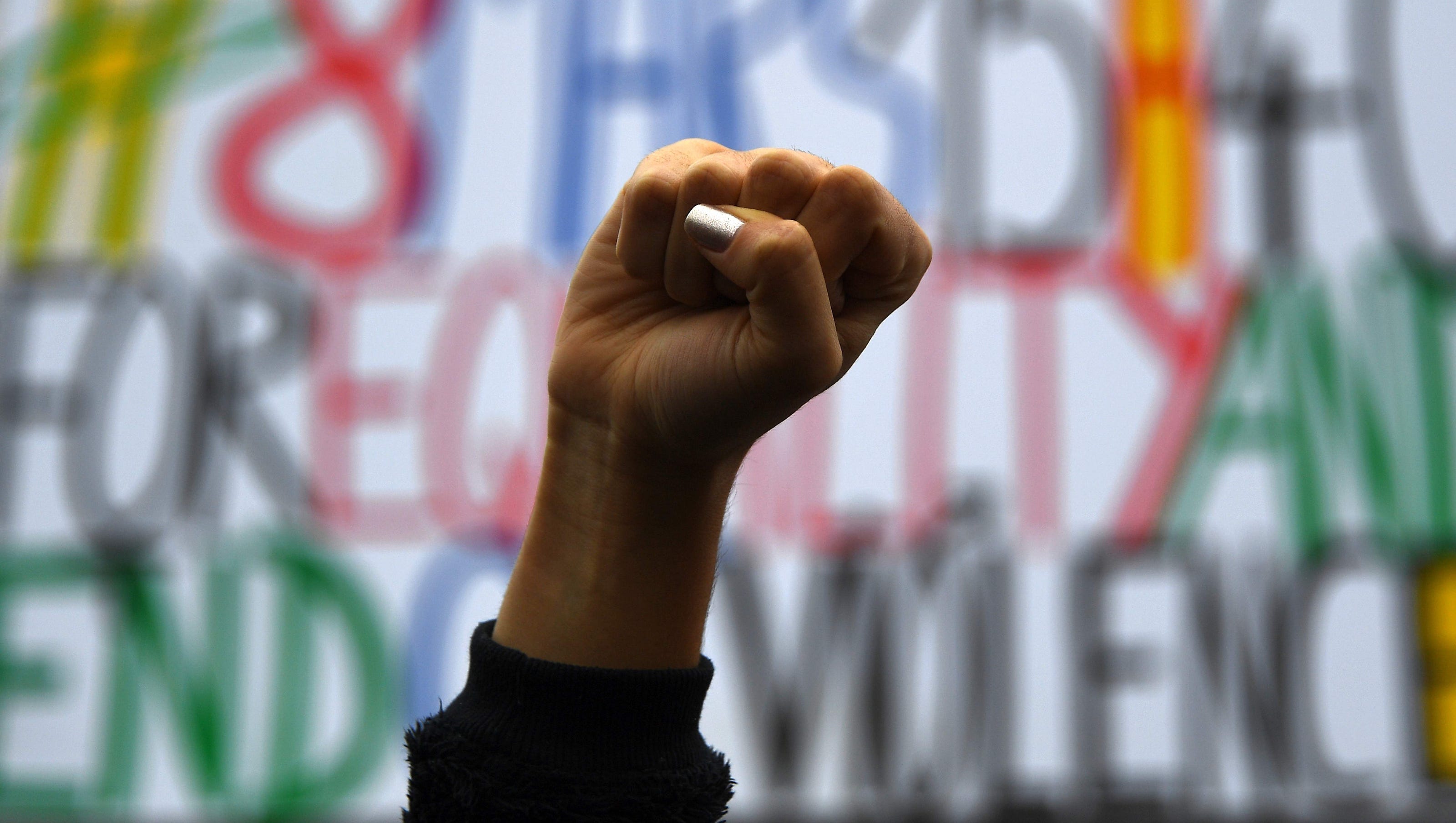
Ultimately, transformative feminist content does not shy away from complexity or discomfort. Instead, it embraces them as necessary catalysts for deeper understanding and solidarity among diverse feminists.
Conclusion: Passing the Mic as a Revolutionary Act
The demand to pass the mic is an act of reclamation—a seismic shift in feminist paradigms that challenges the supremacy of white voices. The defensiveness it provokes exposes the unfinished work feminism faces in embracing inclusivity and intersectionality. To move beyond performative gestures, feminists must lean into discomfort, relinquish control, and forge a movement where every voice matters. Only then can feminism evolve into a truly radical, unifying force that dismantles oppression in all its forms.











Leave a Comment