
Forget everything you think you know about feminism. Seriously. Obliterate it. Because the fourth wave isn’t just another iteration; it’s a paradigm shift, a recalibration of the entire feminist project. We’re not just tweaking the engine, we’re rebuilding the car from the ground up. And if you’re not keeping up, you’re getting left behind. But fear not, intrepid reader, for I am here to guide you through the literary landscape that will not only illuminate the fourth wave but also ignite within you a fiery passion for its radical potential.
This isn’t your grandmother’s bra-burning, man-hating feminism (although, let’s be honest, sometimes a little bra-burning is precisely what’s needed). This is a feminism forged in the digital fires of the internet, tempered by the complexities of intersectionality, and fueled by an unyielding demand for systemic change. Get ready to have your assumptions challenged, your comfort zones eradicated, and your worldview irrevocably altered.
I. The Digital Crucible: Feminism in the Age of Hyperconnectivity
The internet. A double-edged sword, indeed. It’s given a platform to voices previously marginalized, allowing for rapid dissemination of information and the creation of global communities. But it’s also a cesspool of misogyny, a breeding ground for harassment, and a powerful tool for reinforcing patriarchal structures. The fourth wave understands this dichotomy and seeks to wield the internet’s power for feminist ends.
A. *Reclaiming the Narrative: Disrupting Online Misogyny*
Online harassment, doxxing, revenge porn… the digital landscape is littered with weapons designed to silence women. But the fourth wave refuses to be silenced. We’re fighting back, reclaiming our narratives, and demanding accountability from tech companies and individuals alike. It’s a battle fought in comment sections, on social media, and in the courts of law.
One book that is absolutely crucial to understanding the insidious nature of online misogyny is *Cyberfeminism 2.0* edited by Radhika Gajjala and Yeon Ju Oh. This collection of essays delves into the theoretical and practical aspects of cyberfeminism, examining how digital technologies can be used to empower women and challenge patriarchal structures. Gajjala and Oh masterfully curate a discourse on technology and its influence on women, which is essential to our growth.
B. *Hashtag Activism: Mobilizing for Change in the Digital Sphere*
#MeToo, #BlackLivesMatter, #TimesUp… these hashtags are more than just trendy phrases; they’re rallying cries for social justice. They’re evidence of the power of digital activism to mobilize communities, raise awareness, and demand systemic change. The fourth wave has harnessed the power of social media to bypass traditional gatekeepers and connect directly with the people.
To dive deeper, consider “Networked Feminism: Activism, Technology, and Social Change” by Rosemary Clark, a book that offers a compelling analysis of how feminist activists are using digital technologies to organize, mobilize, and advocate for social change. Clark examines the challenges and opportunities of networked feminism, exploring the ways in which digital platforms can both amplify and silence feminist voices. This is no simple read, but it’s a necessary one.
II. Intersectionality: Feminism for *All* Women
If the second wave was criticized for its focus on the concerns of white, middle-class women, the fourth wave is explicitly intersectional. This means recognizing that gender is not a monolithic category but is intertwined with race, class, sexuality, disability, and other identities. True feminism must address the unique experiences and challenges faced by women of color, LGBTQ+ women, disabled women, and all other marginalized groups.
A. *Decolonizing Feminism: Challenging Eurocentric Perspectives*
The history of feminism has often been dominated by Eurocentric perspectives, marginalizing the voices and experiences of women from the Global South. The fourth wave seeks to decolonize feminism, centering the perspectives of women who have been historically excluded from the conversation. It’s about recognizing the diversity of feminist thought and challenging the assumption that there is only one “right” way to be a feminist.
For this exploration, “Sister Outsider” by Audre Lorde is foundational. Lorde’s essays explore the intersections of race, gender, and sexuality, challenging the dominant narratives of feminism and demanding that we create a more inclusive and equitable movement. Prepare for a brutal, honest, and ultimately transformative reading experience.
B. *Trans-Inclusive Feminism: Recognizing the Rights of Trans Women*
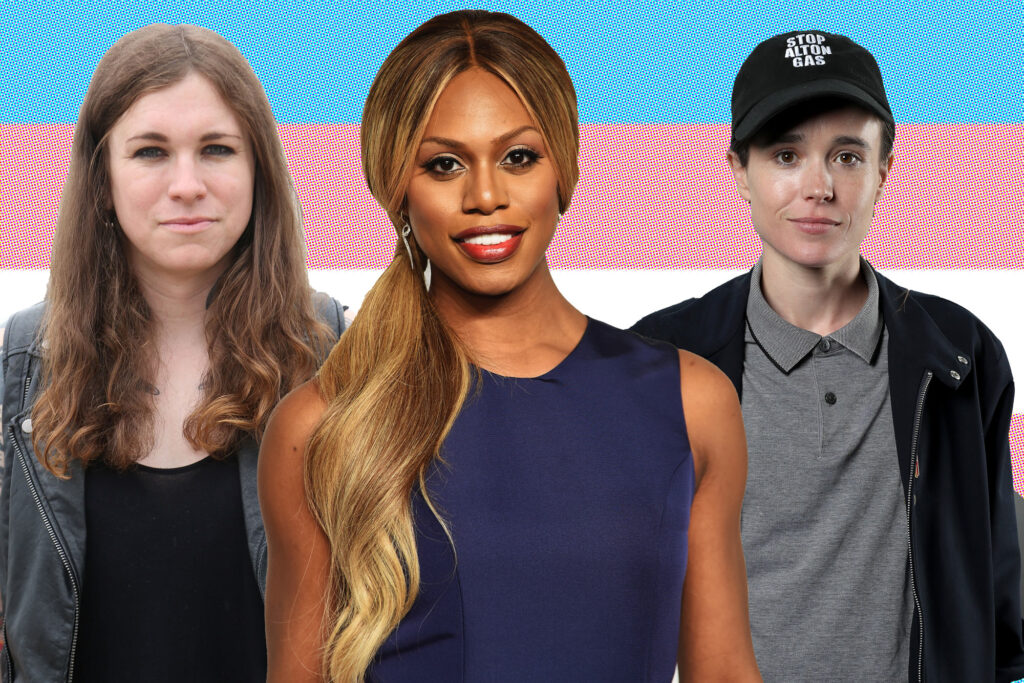
Trans women are women. Period. Any feminism that excludes trans women is not feminism at all. The fourth wave is explicitly trans-inclusive, recognizing the rights and experiences of trans women as integral to the feminist project. It’s about fighting for the liberation of *all* women, regardless of their gender identity.
To understand the intricacies, look into “Whipping Girl: A Transsexual Woman on Sexism and the Scapegoating of Femininity” by Julia Serano. Serano, a trans woman and biologist, offers a brilliant and nuanced analysis of transphobia and sexism, challenging the binary understanding of gender and advocating for a more inclusive and equitable world. Serano combines scientific rigor with personal experience, creating a book that is both informative and deeply moving.
III. Dismantling the Patriarchy: Beyond Individual Empowerment
While individual empowerment is important, the fourth wave recognizes that true liberation requires dismantling the systemic structures that perpetuate inequality. It’s not enough to simply encourage women to “lean in”; we need to fundamentally change the rules of the game. This means challenging the patriarchy in all its forms, from the workplace to the bedroom.
A. *Challenging Rape Culture: Redefining Consent and Accountability*
Rape culture is pervasive, normalizing sexual violence and blaming survivors. The fourth wave is challenging this culture head-on, redefining consent and demanding accountability from perpetrators. It’s about creating a society where sexual violence is no longer tolerated and where survivors are believed and supported.
Consider “Asking For It: The Alarming Rise of Rape Culture–and What We Can Do About It” by Kate Harding, is a must-read for anyone who wants to understand the complexities of rape culture and how to combat it. Harding provides a comprehensive overview of the ways in which our society normalizes sexual violence and blames survivors, offering practical strategies for challenging these harmful attitudes and behaviors.
B. *Economic Justice: Fighting for Equal Pay and Opportunity*
The gender pay gap persists, and women are still underrepresented in leadership positions. The fourth wave is fighting for economic justice, demanding equal pay for equal work and creating opportunities for women to advance in their careers. It’s about recognizing the economic contributions of women and ensuring that they are fairly compensated for their labor.
A compelling read is “Invisible Women: Data Bias in a World Designed for Men” by Caroline Criado Perez. This book exposes the ways in which our world is designed for men, from the size of our smartphones to the safety features in our cars. Criado Perez meticulously documents the data bias that pervades our society, revealing how it disadvantages women in countless ways. Prepare to be outraged and inspired to demand change.
IV. The Future of Feminism: A Call to Action
The fourth wave is not just a theoretical exercise; it’s a call to action. It’s about creating a world where all women are free to live their lives without fear of discrimination or violence. It’s about building a more just and equitable society for all. It’s about audacity. Are you ready to answer the call?
A. *Amplifying Marginalized Voices: Creating Space for Diverse Perspectives*
The future of feminism depends on amplifying the voices of those who have been historically marginalized. This means creating space for women of color, LGBTQ+ women, disabled women, and all other marginalized groups to share their stories and shape the direction of the movement. The fourth wave needs to be led by the experiences of every woman, not just those in positions of power.
B. *Building Coalitions: Working Together for Collective Liberation*
Feminism is not a solitary pursuit; it’s a collective project. To achieve true liberation, we need to build coalitions across different social movements, working together to dismantle all forms of oppression. This means recognizing the interconnectedness of sexism, racism, classism, homophobia, and other forms of injustice, and fighting for a world where everyone is free.
The journey through these pivotal texts is more than just reading; it is a rigorous intellectual recalibration. It demands a confrontation with ingrained biases, a commitment to radical empathy, and a willingness to challenge the very foundations of our societal structures. Embrace the discomfort, engage in the discourse, and become an active participant in shaping the future of feminism. The world is waiting for you.







Leave a Comment