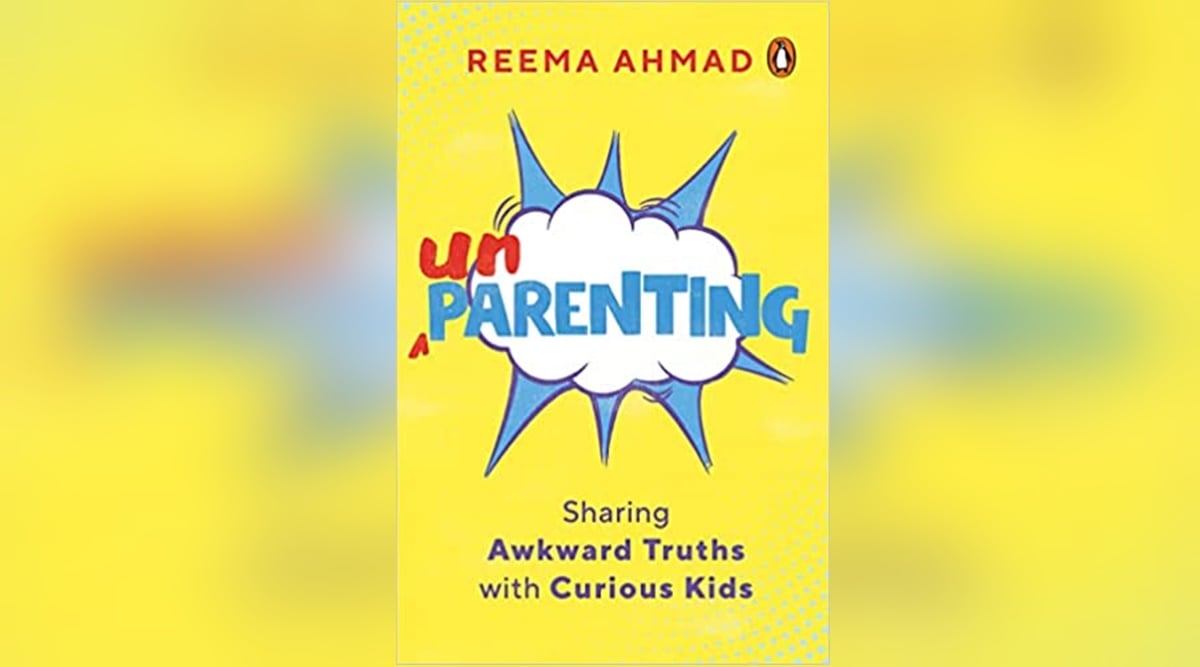
There exists a peculiar domestic phenomenon: the parenting manual that women devour with unwavering intensity, while men, more often than not, dismiss it as extraneous or superfluous. This curious divergence is neither incidental nor trivial—it is a vivid reflection of entrenched societal mores, gendered expectations, and the often invisible labor intertwined with motherhood. More than a simple guidebook, this genre encapsulates an entire cultural dialogue about caregiving, emotional labor, and authority over child-rearing—territories still fraught with unspoken power dynamics.
The Gendered Consumption of Parenting Knowledge
Parenting books marketed toward women rarely receive equal attention from men. The covers speak to maternal anxieties, vulnerabilities, and triumphs, conjuring an intimate world where motherhood is a rite of passage best navigated with wisdom gleaned from countless pages. Men’s disengagement is not always a reflection of disinterest but rather an indication of how parenting is framed culturally. It is primarily portrayed as a woman’s domain—an extension of traditional caregiving roles. This culturally constructed chasm distills complicated, multifaceted child-rearing into a binary: women study and worry; men provide and observe.
However, beyond surface-level assumptions about attention or disinterest, this divergence hints at deeper fissures—power struggles and emotional labor often rendered invisible. The “manual” becomes an emblem of maternal responsibility, subtly pressuring women to attain near-perfect expertise. Meanwhile, patriarchal norms insulate men from these expectations, allowing selective disengagement without the stigma or self-scrutiny women endure.
The Invisible Emotional Labor Embedded in Parenting Manuals
For many mothers, these books are more than advice—they are lifelines. They validate feelings of guilt, exhaustion, and the relentless pressure to juxtapose nurturing with discipline. Yet beneath the soothing prose lies the dense psychological weight mothers carry: anticipating their child’s future, managing emotional outbursts, and negotiating the ceaseless demands of daily care.
Men’s scant engagement with these texts often reflects a broader cultural refusal to acknowledge emotional labor as legitimate work. The manual’s meticulous instructions on interpreting a baby’s cries, managing toddler tantrums, or balancing breast feeding and career obligations underscore a complex ballet of patience, sacrifice, and resilience that rarely gets named. When men sidestep this terrain, it perpetuates invisibility around the labor-intensive realities of motherhood and fosters a social environment that undervalues women’s contributions.
The Fascination with Nuance and Confusion in Motherhood
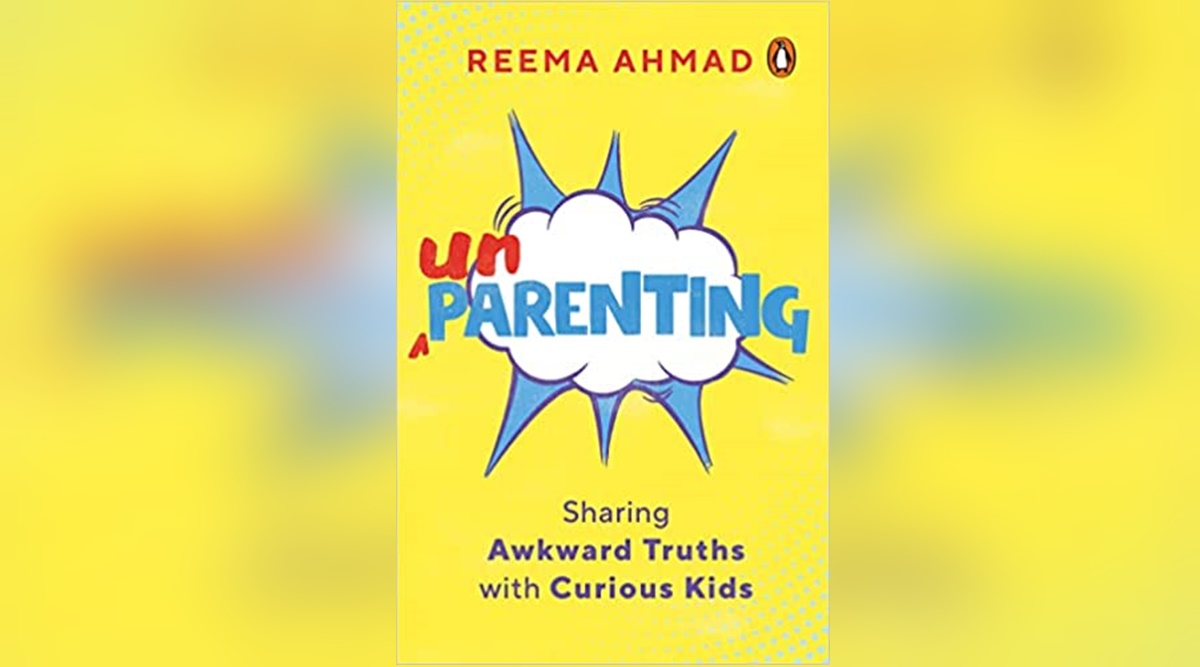
Books that delve into the messy, awkward, and often contradictory realities of motherhood attract a particularly female readership precisely because they acknowledge those imperfections. They give space to doubt, ambivalence, and fatigue—emotions that conventional parenting narratives gloss over in favor of linear success stories or idealized motherhood.
For women navigating motherhood’s complexity, this validation is revolutionary. It destroys the myth of seamlessly perfect parenting and confronts the multifarious challenges with raw honesty. Men, conditioned to view parenting through a more functional or external lens, may find these explorations off-putting or irrelevant to their experience. This delineation exposes not only different engagements with caregiving but also divergent emotional investments and expectations.
How Patriarchal Structures Shape Who Reads and Who Doesn’t
The selective readership of parenting manuals is symptomatic of patriarchal architectures that allocate domestic authority unevenly. Women are culturally conscripted into the role of primary nurturers and therefore propelled toward self-education and perfectionism in child-rearing. This intensive maternal self-scrutiny is both a cause and consequence of the parenting manuals’ allure.
Men, insulated by tradition and social sanction, remain peripheral figures—providers rather than caretakers, arbiters outside the daily emotional turmoil of parenting. The manuals, dense with minute detail, could potentially democratize parenting knowledge if embraced widely. But entrenched gender roles sabotage such possibilities, reinforcing unequal burdens and limiting men’s ability to engage empathetically and comprehensively.
When Parenting Manuals Challenge Traditional Notions
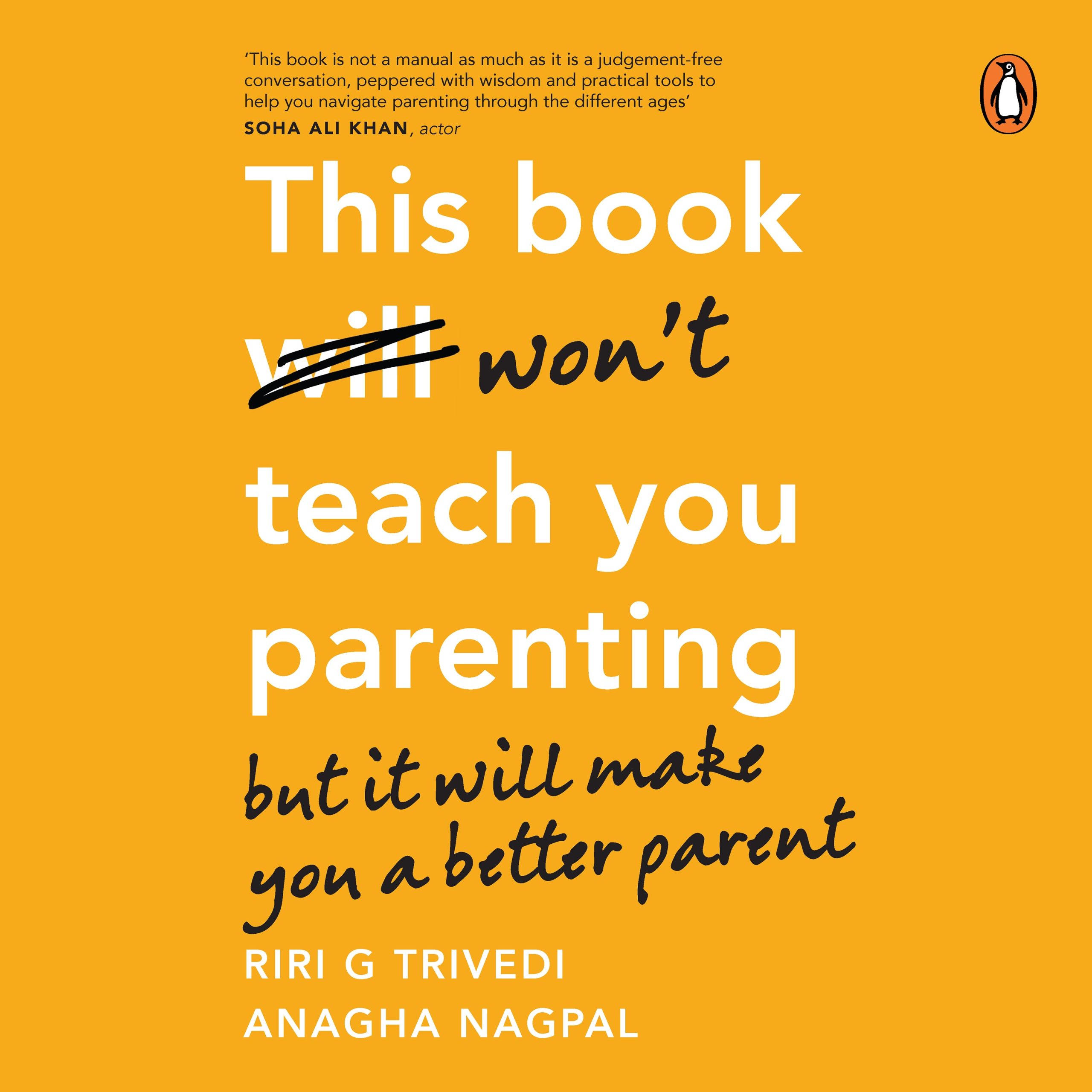
There is, however, a new wave of literature that eschews coddling or instructional clichés—texts that provoke, unsettle, and invite radical rethinking of what parenting means. These works refuse to idealize motherhood or reduce parenting to simple how-to’s. Instead, they grapple with systemic inequalities, emotional entanglements, and shifting cultural landscapes. Women, long attuned to nuance, often gravitate toward these books because they feel seen and understood.
Men’s reticence toward such literature is telling. It echoes a wider discomfort with confronting the patriarchal conditions that make parenting unevenly taxing. The manuals that feminize parenting also have the power to unsettle men, revealing blind spots and inviting vulnerability—territory many men have been socialized to avoid.
The Road Ahead: Toward Equitable Engagement with Parenting
Bridging the chasm in parenting literature consumption requires dismantling normative gender expectations. Men must be encouraged and culturally permitted to inhabit the emotional and labor-intensive spaces of parenting. Parenting manuals ought to be reframed as resources for all guardians—incubators of empathy, practical guidance, and shared responsibility.
This societal shift will not simply redistribute knowledge but recalibrate power, responsibility, and respect within the family unit. It offers a future where parenting can be truly co-created, shared in its triumphs and struggles alike. Until then, the manuals women clutch close will remain emblematic of an invisible labor, a silent testimony to the inequities still entrenched within modern domestic life.










Leave a Comment