In a society obsessed with appearances, the pendulum swings wildly between glorifying thinness and vilifying fatness. Yet, while much discourse centers on being “too fat,” being “too skinny” is equally fraught with misconceptions, stigmas, and real health implications. The fascination with body size—whether excessive or insufficient—reveals much more than surface-level prejudice. It taps into intricate cultural narratives, gender politics, and socioeconomic undercurrents that dictate how bodies are viewed, controlled, and valued. Why is it that we shame thinness with as much fervor as fatness? And what does this fixation say about our collective psyche?
The Cultural Fetishization of Thinness: A Double-Edged Sword
Thinness is often hailed as the epitome of discipline, success, and control, especially in cultures dominated by Western ideals. Yet, paradoxically, those deemed excessively skinny face a gamut of assumptions—from being sickly weak to lacking vitality. The celebration of thinness comes with a shadow. When a body is too lean, it challenges the dominant narrative that equates beauty with health. Society’s collective gaze becomes suspicious, scrutinizing and pathologizing what it cannot readily decode. The obsession with a “perfect” body size is not merely about aesthetics; it is about power—who fits the mold and who is cast aside as an anomaly.

This ambivalence towards thinness fosters a culture where individuals feel compelled to exist within narrow, unattainable boundaries, resulting in anxiety, shame, and distorted self-perceptions that can persist throughout life.
Health Consequences of Being Too Skinny: A Silent Crisis
The narrative often dismisses thinness as harmless, or even ideal. This overlooks the fact that being too skinny can precipitate severe physical health challenges that rival, and sometimes exceed, those encountered by individuals categorized as overweight or obese. Malnourishment, weakened immune systems, brittle bones, fertility issues, and hormonal imbalances are some of the alarming consequences.
Underlying these visible effects are subtle neurological and psychological phenomena. Chronic energy deficits impact cognitive function and emotional resilience, laying fertile ground for depression and anxiety. The body speaks in a language that the glossy media refuses to translate: it demands nourishment and respect, not conformity to unrealistic standards.
Ignoring these health ramifications amplifies the risk of normalized suffering, particularly among young individuals swept into dangerous dieting behaviors and body policing from an early age.
The Gendered Politics of Body Size
Body size does not exist in a vacuum; it is deeply intertwined with gendered expectations. For women, thinness is weaponized as a hallmark of femininity, self-control, and desirability, reinforcing restrictive archetypes that limit authentic embodiment. The persecution of those who are “too skinny” is often a response to fears about deviation from these tropes—thin women are sometimes seen as lacking femininity or as emblematic of otherness, further marginalizing them.
Conversely, men who are excessively thin confront stereotypes about strength, virility, and capability. The disdain they face reveals fragile constructions of masculinity vulnerable to nonconformity. Both men and women thus become prisoners of a binary that equates moral worth with physical appearance, perpetuating oppressive cycles under the guise of health advisories and social commentary.
Psychosocial Dimensions: Shame, Stigma, and Identity
Why does society harbor a fascination with those caught at the extremes of body size? The answer lies partly in collective anxieties and projections. Thin bodies are frequently misconstrued as fragile or flaunting morbidity, while fat bodies are unfairly broadened into symbols of laziness or lack of willpower. These skewed associations fuel stigmatization, which wounds self-esteem and alienates individuals from their social environments.
Stigma does not merely isolate; it shapes identity. Internalized judgment creates a feedback loop where one’s sense of self is constantly negotiated through the prism of societal disdain. This dissociation from the self has profound implications, eroding mental health and sabotaging genuine self-acceptance.
Challenging the Binary: Toward Body Justice and Autonomy
The fixation on “too skinny” versus “too fat” bodies obscures the liberatory possibility of rejecting size-based hierarchies altogether. Instead of policing bodies, the focus should shift to honoring diversity in form and function. Body justice demands dismantling harmful narratives that equate morality and worth with physical appearance.
Healthcare must embrace nuanced understandings that transcend superficial metrics like body mass index (BMI). Mental health services, nutritional counseling, and social support systems should prioritize individualized care over one-size-fits-all prescriptions. This paradigm shift would recognize the complexity of human bodies and experience, fostering compassion rather than condemnation.
The Role of Media: Perpetuating and Disrupting Norms
Mainstream media wields immense power in shaping perceptions of body size through relentless imagery and messaging. From advertising to entertainment, a narrow range of acceptable bodies is endlessly recycled. This ubiquity conditions audiences to internalize restrictive, often contradictory standards.
Yet, media can also be a battleground for transformation. Emerging platforms featuring diverse body representations challenge entrenched stereotypes and invite critical engagement with the tyranny of thinness and fatphobia alike. Amplifying marginalized voices and lived experiences enacts resistance, expanding the visible spectrum of beauty and health.
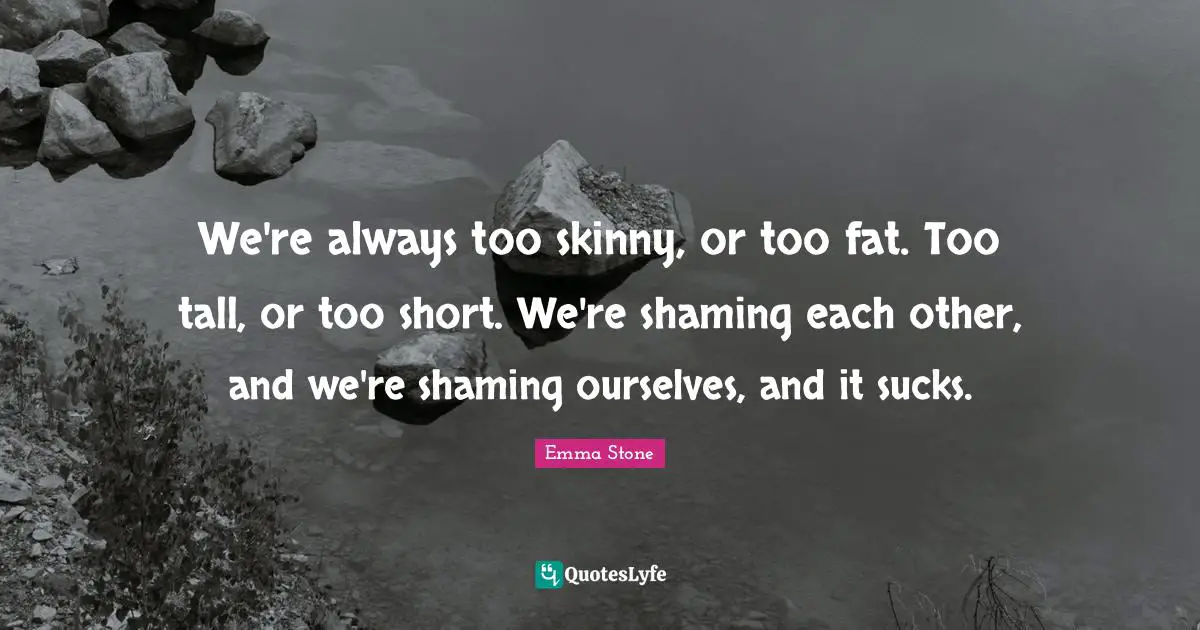
This democratization of narrative disrupts the cultural fixation that dehumanizes people at both ends of the size continuum.
Ultimately, the dialogue about “too skinny” and “too fat” must transcend simplistic judgments and listen earnestly to the stories behind the bodies. It is a call to embrace complexity, reject stigma, and affirm the sacred right of all bodies to exist without fear or shame. The obsession with controlling and categorizing bodies is a reflection of broader societal fears—fear of difference, vulnerability, and loss of control. Addressing these fears openly is the first step toward healing the wounds inflicted by a callous obsession with size.








Leave a Comment