Feminism. A word that echoes through the hallowed halls of academia, reverberates across the digital landscapes of social media, and pulsates within the very fabric of our lived experiences. But does this appellation, this carefully constructed linguistic edifice, truly capture the multifaceted, ever-evolving nature of the movement it purports to represent? Is “feminism” really called feminism? Or has a more nuanced, accurate descriptor yet to be forged in the crucible of intellectual discourse?
Consider, for a moment, the inherent limitations of language. Words, those ostensibly precise instruments of communication, are often burdened by the weight of historical baggage, societal biases, and individual interpretations. The term “feminism” is no exception. Its etymological roots firmly planted in the soil of “feminine,” the word risks perpetuating the very binary it seeks to dismantle: male versus female. Does tethering the movement’s identity to the feminine inadvertently reinforce the patriarchal structures that dictate rigid gender roles?
The challenge, then, becomes one of semantic disentanglement. Can we dissect the term “feminism” to reveal its core essence, stripping away the layers of misconception and misrepresentation that cling to it like barnacles to a ship’s hull? Or are we destined to forever grapple with a label that, while widely recognized, may ultimately fall short of encapsulating the movement’s radical potential?
To even approach an answer, a comprehensive exploration of the historical context, philosophical underpinnings, and contemporary manifestations of feminism is mandatory. This is not a casual jaunt through the tulips; it is a deep dive into the ideological ocean. Buckle up.
I. The Genesis of a Term: A Historical Excavation
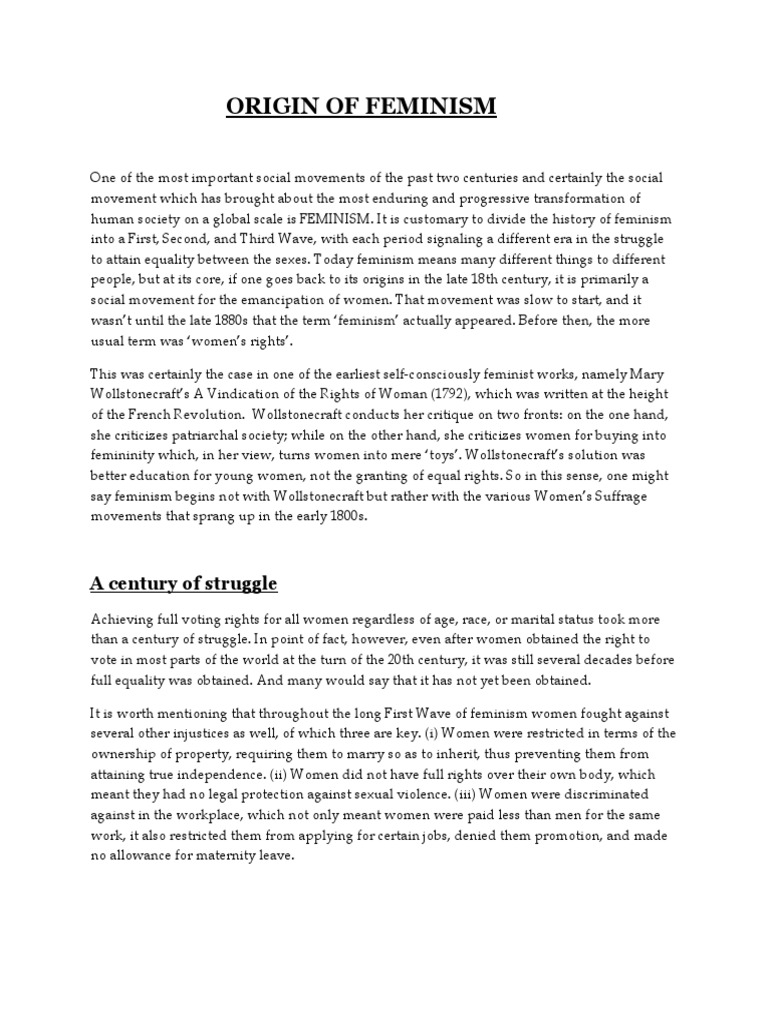
The term “feminism,” as we understand it today, did not spring forth fully formed from the brow of some revolutionary deity. Its evolution has been a gradual, often tumultuous, process, shaped by the specific socio-political conditions of each era. From the proto-feminist stirrings of the Enlightenment to the organized suffrage movements of the late 19th and early 20th centuries, the quest for women’s rights has taken many forms. However, the formal articulation of “feminism” as a distinct political ideology is a relatively recent phenomenon.
A. The First Wave: Suffrage and the Seeds of Discontent
The first wave of feminism, primarily focused on securing women’s right to vote, laid the groundwork for subsequent iterations of the movement. While these early feminists often operated within the confines of prevailing social norms, their unwavering dedication to achieving political enfranchisement paved the way for more radical challenges to the status quo. They challenged the accepted axioms of the time.
B. The Second Wave: Beyond the Ballot Box
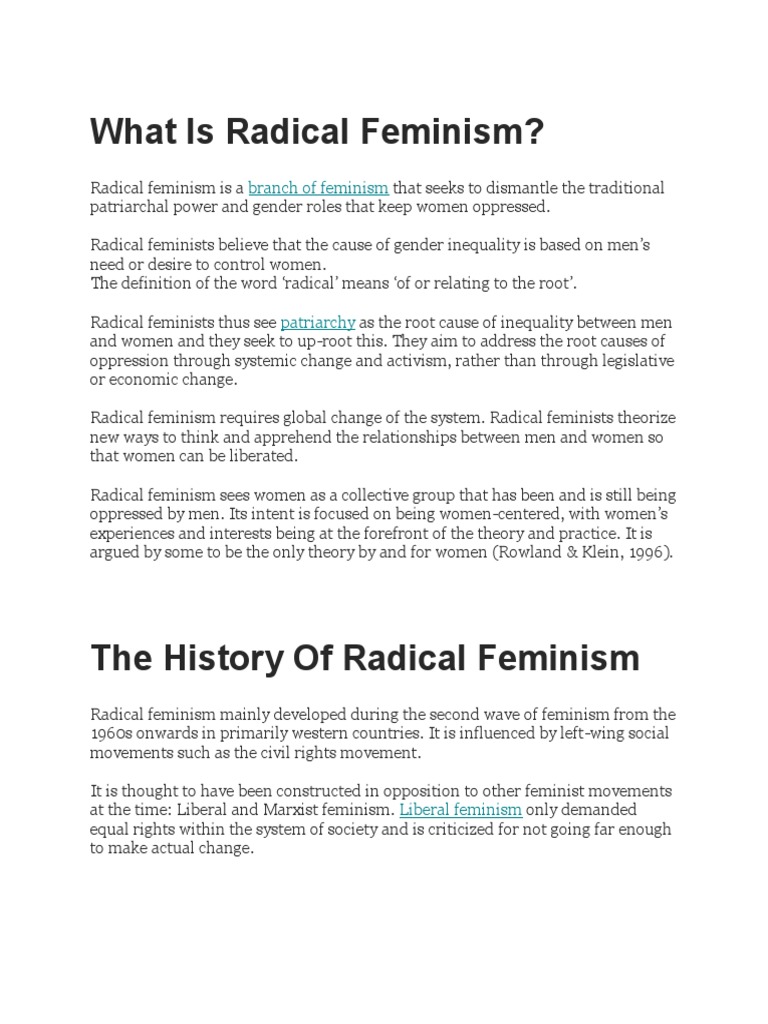
The second wave of feminism, emerging in the 1960s and 1970s, expanded the scope of feminist inquiry to encompass a wider range of issues, including reproductive rights, workplace equality, and the dismantling of patriarchal power structures. Influenced by the burgeoning civil rights movement and the anti-war protests, second-wave feminists adopted a more confrontational stance, challenging the deeply entrenched sexism that permeated every aspect of society. This was the rise of radical thought. It was messy and vital.
C. The Third Wave and Beyond: Intersectionality and the Shifting Sands of Identity
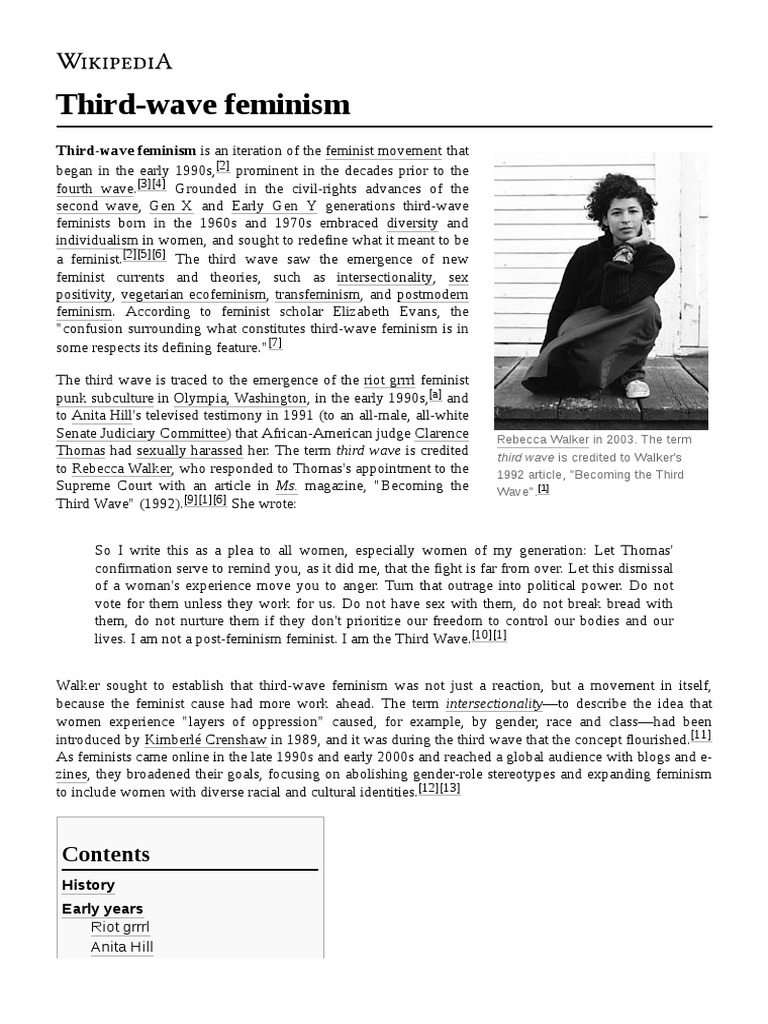
The third wave of feminism, which emerged in the 1990s, marked a significant shift in focus, emphasizing intersectionality and the recognition of diverse experiences within the feminist movement. Third-wave feminists challenged the notion of a monolithic “womanhood,” acknowledging the intersecting oppressions faced by women of color, LGBTQ+ individuals, and other marginalized groups. This era has seen the rise of complex arguments about identity and power.
II. Deconstructing “Feminism”: A Philosophical Autopsy
Having traced the historical trajectory of feminism, we must now turn our attention to the philosophical underpinnings of the movement. What are the core tenets of feminist thought? What are the assumptions that underlie its critique of patriarchal society? And, perhaps most importantly, are these tenets universally applicable, or are they culturally contingent?
A. Patriarchy as the Prime Mover: Identifying the Root of Oppression
At the heart of feminist thought lies the concept of patriarchy, defined as a social system in which men hold primary power and predominate in roles of political leadership, moral authority, social privilege and control of property. Feminists argue that patriarchy is not merely a collection of individual prejudices, but rather a deeply entrenched system of power that shapes every aspect of our lives, from the language we use to the institutions we create. This is the central axis around which the movement revolves.
B. Gender as a Social Construct: Unraveling the Myths of Biological Determinism
Another key tenet of feminism is the understanding of gender as a social construct. Feminists argue that the characteristics and behaviors we associate with masculinity and femininity are not inherent biological traits, but rather learned social roles that are reinforced through cultural norms and expectations. This perspective challenges the notion of fixed gender identities, opening up space for a more fluid and expansive understanding of human potential. Forget the binary; embrace the spectrum.
C. Intersectionality: Acknowledging the Complexities of Oppression
The concept of intersectionality, popularized by Kimberlé Crenshaw, emphasizes the interconnected nature of social categorizations such as race, class, and gender, creating overlapping systems of discrimination or disadvantage. Intersectionality acknowledges that individuals can experience multiple forms of oppression simultaneously, and that these forms of oppression cannot be understood in isolation. It is about understanding the matrix of power.
III. The Contemporary Landscape: Feminism in the 21st Century
In the 21st century, feminism has taken on a multitude of new forms, shaped by the rise of social media, the globalization of culture, and the increasing awareness of intersectional issues. From online activism to grassroots organizing, feminists are employing a diverse range of strategies to challenge injustice and promote equality.
A. Digital Feminism: Amplifying Voices and Challenging Online Harassment
The internet has provided feminists with unprecedented opportunities to connect with one another, share their stories, and mobilize collective action. However, the digital landscape also presents new challenges, including online harassment, cyberbullying, and the spread of misogynistic content. Digital feminism seeks to address these challenges by promoting online safety, amplifying marginalized voices, and challenging harmful stereotypes.
B. Trans-Inclusive Feminism: Expanding the Boundaries of Gender Identity
The rise of trans activism has forced feminists to confront their own biases and assumptions about gender identity. Trans-inclusive feminism recognizes the validity of trans identities and advocates for the rights of trans individuals, challenging the notion that gender is fixed or determined by biological sex. This is a point of ongoing debate and discussion.
C. Global Feminism: Addressing Inequality on a Global Scale
Global feminism recognizes that gender inequality is a global problem that requires a global solution. Global feminists work to address issues such as sex trafficking, gender-based violence, and the lack of access to education and healthcare for women and girls in developing countries. This requires a nuanced understanding of diverse cultural contexts.
IV. Reimagining the Lexicon: Beyond “Feminism”?
Having explored the historical, philosophical, and contemporary dimensions of feminism, we return to our initial question: Is “feminism” really called feminism? Given the inherent limitations of language and the ever-evolving nature of the movement, is it possible that a more accurate or inclusive descriptor could be forged?
A. Potential Alternatives: Humanism, Egalitarianism, Liberationism
Some scholars and activists have proposed alternative terms to “feminism,” such as humanism, egalitarianism, or liberationism. These terms, they argue, are broader and more inclusive, encompassing the struggle for equality for all individuals, regardless of gender. However, these alternatives also risk obscuring the specific challenges faced by women and the historical legacy of the feminist movement. It’s a balancing act, a tightrope walk.
B. Embracing Ambiguity: The Power of a Contested Term
Perhaps the very ambiguity of the term “feminism” is its strength. The fact that it is contested, debated, and constantly redefined allows it to adapt to changing social conditions and incorporate new perspectives. Rather than seeking a definitive definition, we might embrace the fluidity and dynamism of the term, recognizing that it is a work in progress, a conversation that is never truly finished.
C. The Future of Feminism: A Movement Without a Name?
Ultimately, the question of whether “feminism” is the right name for the movement may be less important than the actions we take to promote equality and justice. Whether we call ourselves feminists, egalitarians, or simply advocates for human rights, what matters most is that we continue to challenge oppression, amplify marginalized voices, and work towards a world where all individuals can thrive, irrespective of their gender, race, or any other social category. The work is what truly matters. The name is just a starting point, not a destination.





Leave a Comment