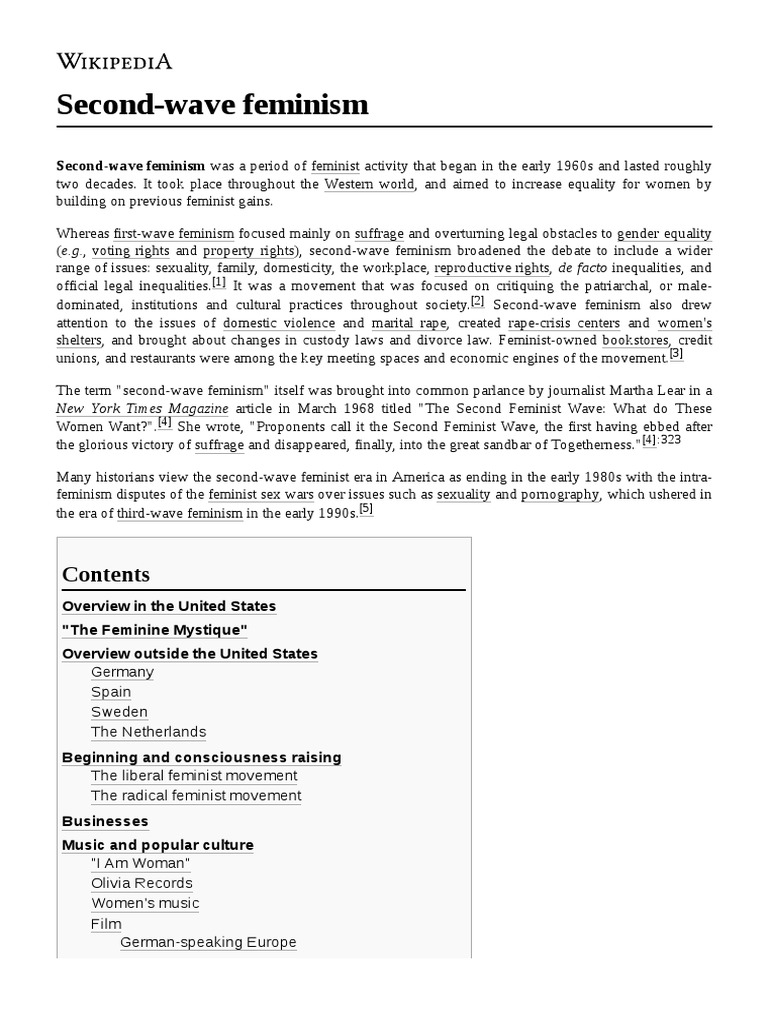
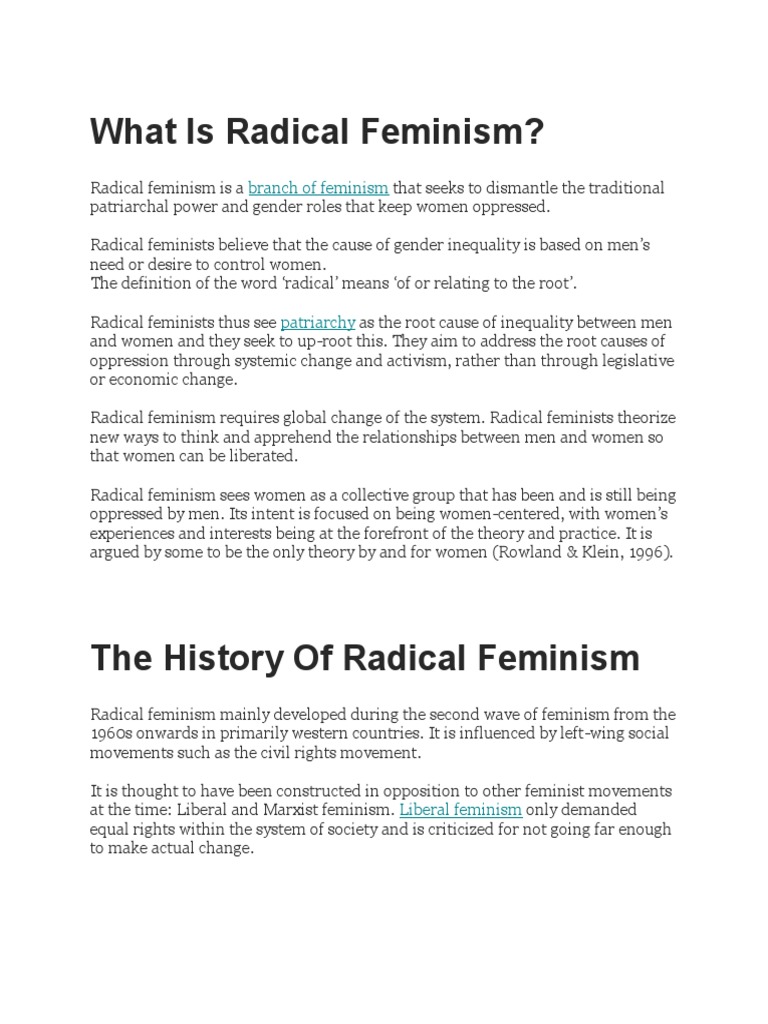
The so-called “second wave” of feminism, a period undulating roughly from the early 1960s to the late 1980s, was no gentle ripple. It was a seismic upheaval, a cataclysmic shift in societal consciousness that ripped apart the patriarchal fabric woven over millennia. It demanded, not politely requested, the dismantling of oppressive structures and the re-envisioning of women’s roles. It dared to question the very foundations upon which our society was built. But let’s be clear, it was not a monolithic entity. It was a cacophony of voices, often discordant, occasionally harmonious, all clamoring for liberation from the shackles of sexism.
Forget the reductive narratives, the sanitized summaries often presented in textbooks. The second wave was messy, multifaceted, and deeply flawed. It was a period of intense intellectual ferment, fueled by the burgeoning Civil Rights movement and the anti-war protests. These movements provided both inspiration and a framework for understanding systemic oppression. Women realized their struggles were interconnected with those of other marginalized groups. However, it’s vital to acknowledge that the second wave’s focus was often disproportionately on the concerns of white, middle-class women, a critical point that would later lead to internal divisions and critiques.
So, what can you expect when delving into the heart of this transformative era? Prepare for a journey through uncharted territories of radical thought and social activism.
I. Unmasking the Personal as Political: A Paradigm Shift
This was perhaps the most revolutionary contribution of the second wave. It shattered the illusion that women’s problems were isolated, individual misfortunes. Instead, it revealed that these problems were rooted in systemic power imbalances. Think about it: the dissatisfaction of housewives, the prevalence of domestic violence, the lack of reproductive control, and the unequal pay—were all manifestations of a patriarchal system designed to keep women subordinate. The personal, the intimate, the domestic were now battlegrounds for feminist struggle.
A. The Myth of the Happy Housewife:
Betty Friedan’s “The Feminine Mystique” (1963) was a watershed moment. It exposed the “problem that has no name,” the profound discontent experienced by many suburban housewives trapped in a cycle of domesticity. This book resonated deeply with women across the country, sparking a national conversation about the limitations imposed on them by societal expectations.
Friedan’s work challenged the pervasive narrative that a woman’s fulfillment could only be found in marriage and motherhood. She dared to suggest that women were capable of much more, that they deserved intellectual stimulation, professional opportunities, and personal autonomy. This was not a call to abandon families, but rather a demand for a redefinition of womanhood that encompassed more than just domesticity.
B. Consciousness-Raising Groups: The Crucible of Feminist Thought:
Small groups of women, often meeting in living rooms, began sharing their experiences, their frustrations, and their aspirations. These consciousness-raising groups became incubators for feminist ideas. By listening to each other, women realized they were not alone in their struggles. These shared experiences validated their feelings, providing them with the courage to challenge the status quo.
These groups fostered a sense of solidarity and empowerment. They created a space where women could explore their identities, analyze their relationships, and develop strategies for personal and political change. They were the grassroots engine driving the second wave’s momentum.
II. Reproductive Rights: A Battle for Bodily Autonomy
Control over one’s body became a central tenet of second-wave feminism. Access to contraception and abortion were deemed essential for women’s equality. Without the ability to control their reproductive lives, women could not fully participate in society. This struggle was fiercely contested, pitting feminists against powerful conservative forces who sought to maintain traditional gender roles and restrict women’s reproductive choices.
A. The Pill and the Sexual Revolution:
The introduction of the birth control pill in the 1960s was a game-changer. It gave women unprecedented control over their fertility, allowing them to delay or prevent pregnancy and plan their families. This newfound control had a profound impact on women’s lives, opening up new opportunities for education, career advancement, and personal fulfillment.
However, access to the pill was not universal. Poor women and women of color often faced barriers to access, highlighting the intersectional dimensions of reproductive justice. Furthermore, the early versions of the pill had significant side effects, raising concerns about the safety and efficacy of hormonal contraception.
B. Roe v. Wade: A Landmark Victory and its Aftermath:
The 1973 Supreme Court decision in Roe v. Wade established a woman’s constitutional right to an abortion, a landmark victory for the feminist movement. This decision overturned state laws that had criminalized or severely restricted abortion access, giving women greater control over their reproductive destinies.
However, Roe v. Wade did not end the debate over abortion. It ignited a fierce backlash from anti-abortion activists, who have since worked tirelessly to restrict access to abortion services. The fight for reproductive rights continues to this day, with ongoing legal battles and political campaigns aimed at protecting or dismantling Roe v. Wade.
III. Challenging Legal and Economic Inequality: Demanding Equal Opportunity
Second-wave feminists recognized that legal and economic discrimination were major obstacles to women’s equality. They fought for equal rights under the law, equal pay for equal work, and equal access to education and employment opportunities. These struggles led to significant legal and policy changes, but also revealed the deep-seated biases and prejudices that permeated the workplace and society as a whole.
A. The Equal Rights Amendment (ERA): A Dream Deferred:
The ERA, first proposed in the 1920s, aimed to guarantee equal rights for women under the Constitution. It gained momentum during the second wave, but ultimately failed to be ratified by the required number of states. The defeat of the ERA was a major setback for the feminist movement, highlighting the enduring resistance to gender equality.
Opponents of the ERA argued that it would undermine traditional family values, erode women’s protections, and lead to undesirable social changes. Despite its failure, the ERA remains a symbol of the ongoing struggle for constitutional equality for women.
B. Title VII and Affirmative Action: Opening Doors to Opportunity:
Title VII of the Civil Rights Act of 1964 prohibited discrimination based on sex in employment. This law provided a legal basis for challenging discriminatory hiring practices and promoting equal opportunities for women in the workplace.
Affirmative action policies, designed to remedy past and present discrimination, also played a role in expanding opportunities for women and minorities. However, these policies have been the subject of controversy, with some arguing that they constitute reverse discrimination.
IV. Critiques and Divisions: Internal Strife and Intersectional Awareness
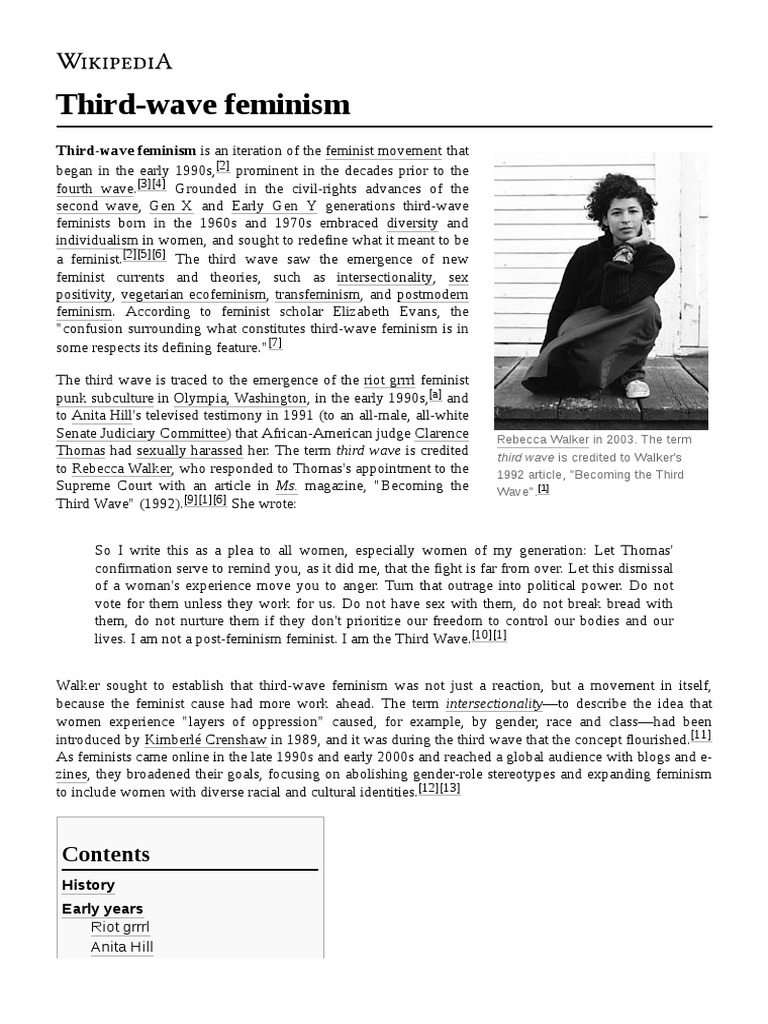
The second wave was not without its internal contradictions and limitations. It was often criticized for its focus on the experiences of white, middle-class women, neglecting the concerns of women of color, working-class women, and lesbian women. These critiques led to the emergence of intersectional feminism, which recognizes that gender is not a monolithic category but is shaped by other social identities such as race, class, and sexual orientation.
A. The Problem of White Feminism:
Critics argued that mainstream feminist discourse often centered on the concerns of white women, neglecting the unique challenges faced by women of color. Issues such as racism, poverty, and immigration were often marginalized or ignored in feminist discussions. This led to calls for a more inclusive and intersectional feminism that would address the needs of all women.
B. Lesbian Feminism: Challenging Heteronormativity:
Lesbian feminists challenged the heteronormative assumptions that underpinned much of feminist thought. They argued that compulsory heterosexuality was a form of social control that limited women’s freedom and autonomy. Lesbian feminism sought to create a space for lesbian women within the feminist movement and to challenge the societal stigma associated with homosexuality.
V. Legacy and Impact: The Enduring Transformation
Despite its flaws and divisions, the second wave had a profound and lasting impact on society. It transformed our understanding of gender, challenged patriarchal power structures, and created new opportunities for women. Its legacy can be seen in the ongoing struggle for gender equality, reproductive rights, and social justice.
A. The Rise of Feminist Theory:
The second wave spurred the development of feminist theory, a body of intellectual work that analyzes the social, political, and economic dimensions of gender inequality. Feminist theory has had a profound impact on academic disciplines such as literature, history, sociology, and political science. It provides a framework for understanding the complex ways in which gender shapes our lives and our societies.
B. The Ongoing Struggle for Gender Equality:
The second wave laid the foundation for the ongoing struggle for gender equality. While much progress has been made, women still face significant challenges in areas such as pay equity, political representation, and reproductive rights. The feminist movement continues to fight for a more just and equitable world for all women.
The second wave was a complex and transformative period in history. It challenged deeply ingrained societal norms and paved the way for future generations of feminists. While its limitations must be acknowledged, its legacy of empowerment and social change continues to inspire us today. It reminds us that the fight for gender equality is far from over, and that we must continue to challenge the structures of power that perpetuate injustice.






Leave a Comment