Feminism. A word that seems to ignite either fervent support or visceral rejection, often without a nuanced understanding of its multifaceted nature. It’s not a monolithic ideology; rather, it’s a sprawling intellectual and political landscape, teeming with diverse perspectives, approaches, and, yes, even internal conflicts. Let’s dissect this intellectual behemoth, shall we? Prepare to have your preconceived notions challenged, your assumptions questioned, and perhaps, just perhaps, your own worldview irrevocably altered.
We’re venturing beyond the simplistic “equality for women” mantra to explore the labyrinthine corridors of feminist thought. Think of it as a philosophical excavation, unearthing the strata of intellectual history that have shaped our understanding of gender, power, and societal structures.
Liberal Feminism: The Reformist’s Gambit
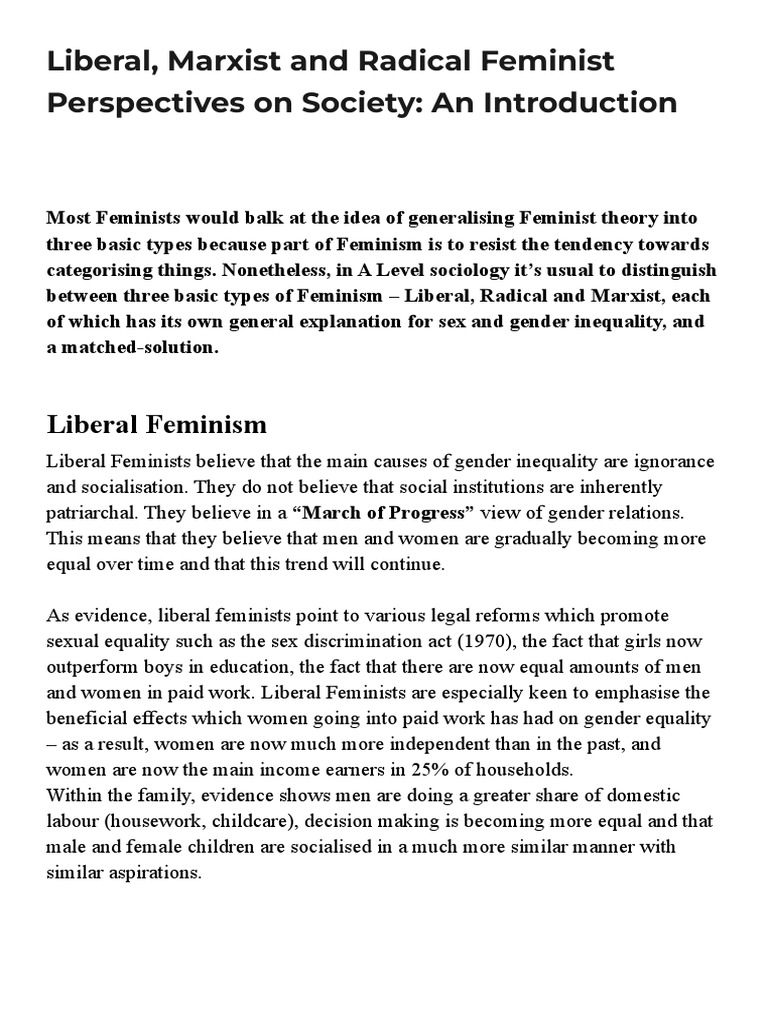
Let’s start with the gateway drug, the entry point for many into the world of feminist discourse: Liberal Feminism. This strain, deeply rooted in Enlightenment ideals, champions the cause of equality through legal and political reform. It posits that women are fundamentally equal to men and deserve equal rights, opportunities, and access to resources. It’s about leveling the playing field, dismantling discriminatory laws, and ensuring equal representation in all spheres of life – from the boardroom to the ballot box.
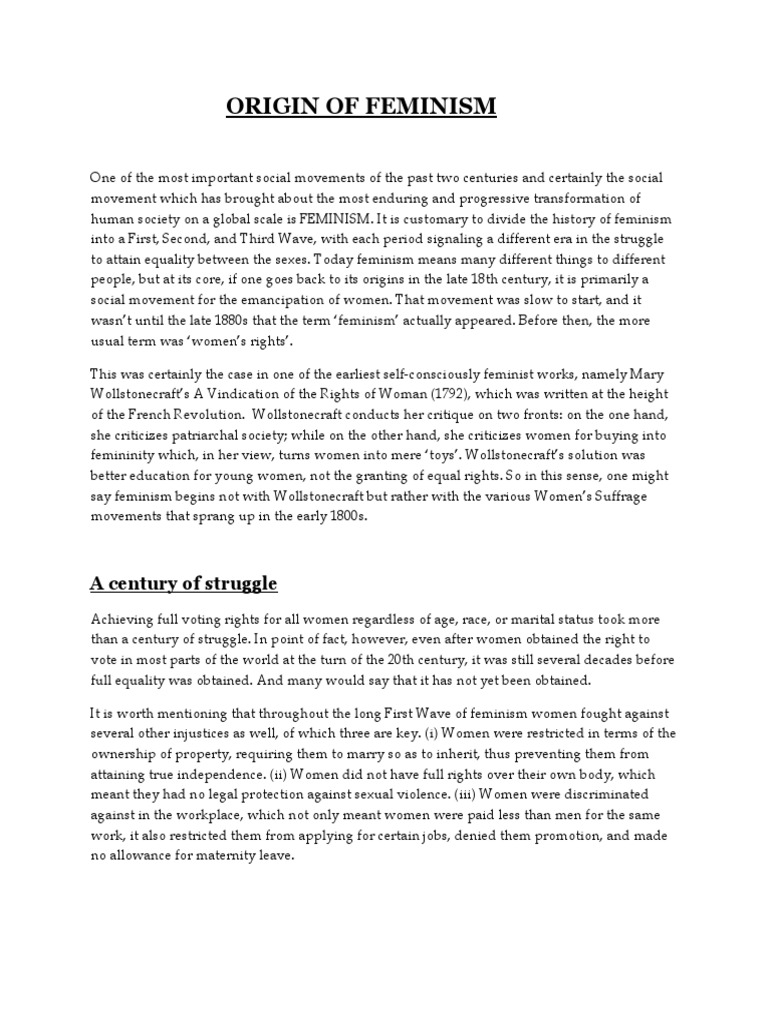
Think of suffragettes chaining themselves to railings, demanding the right to vote. Think of landmark legal battles challenging gender-based discrimination in employment and education. That’s the essence of Liberal Feminism in action. It’s a pragmatic, incremental approach, focusing on achieving concrete changes within the existing societal framework.
But, and this is a crucial “but,” its critics contend that Liberal Feminism only scratches the surface. It addresses the symptoms of systemic inequality without tackling the root causes. Does simply granting women access to the same institutions that perpetuate patriarchal power truly liberate them? Or does it merely integrate them into a system designed to benefit men?
The argument is that the very structures of power, the capitalist system, the legal framework, are inherently biased. Reforming them piecemeal is akin to rearranging deck chairs on the Titanic. A more radical approach is needed. Speaking of radical…
Radical Feminism: Uprooting the Patriarchal Tree
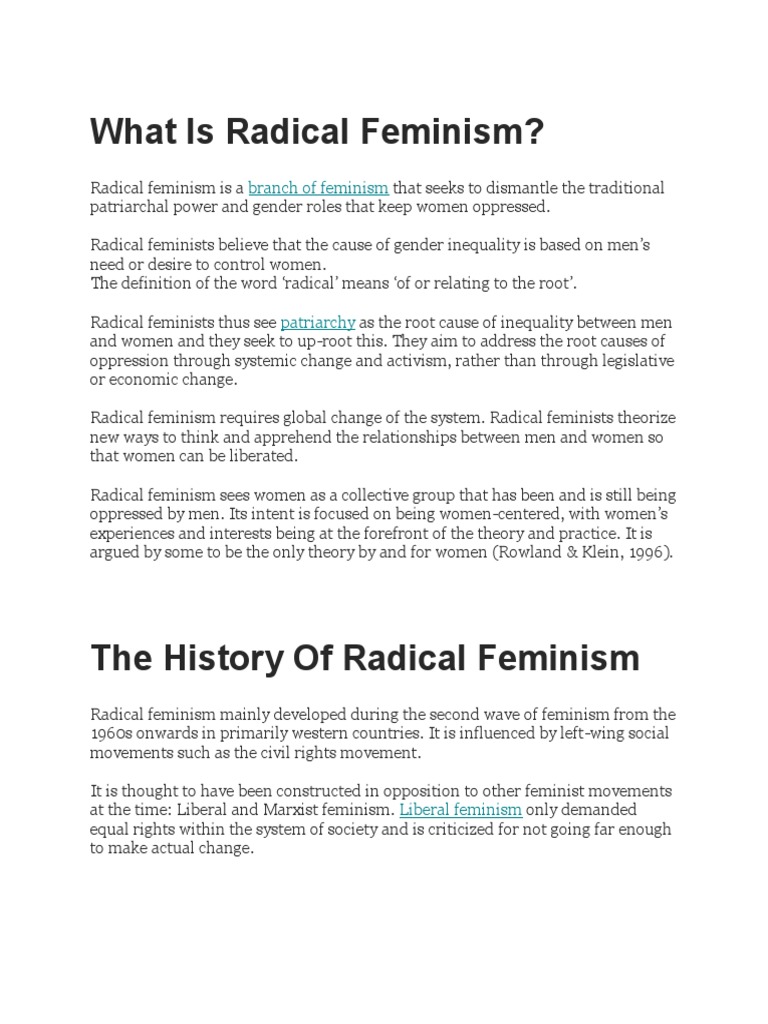
Now, we enter the territory that often elicits raised eyebrows and hushed whispers: Radical Feminism. This is where things get… interesting. Unlike its liberal counterpart, Radical Feminism doesn’t just want a seat at the table; it wants to dismantle the table altogether. It views patriarchy, the systemic dominance of men in society, as the fundamental source of oppression, permeating every aspect of our lives – from our relationships to our language to our very thought processes.
Radical Feminists argue that patriarchy isn’t just about individual acts of sexism; it’s a deeply entrenched system of power that shapes our social, political, and economic realities. To truly liberate women, we must fundamentally challenge and dismantle this system. This often involves questioning traditional gender roles, challenging the nuclear family structure, and advocating for alternative forms of social organization.
Some Radical Feminists advocate for separatism, creating women-only spaces and communities as a means of escaping patriarchal influence and fostering female solidarity. Others focus on challenging the objectification and sexualization of women in media and popular culture.
Radical Feminism’s critics, however, often accuse it of being too extreme, of demonizing men, and of overlooking the complexities of gender and power. Some argue that its focus on patriarchy as the sole source of oppression ignores the intersectionality of gender with other forms of oppression, such as race, class, and sexuality.
Marxist Feminism: Class Struggle and Gendered Oppression
Enter Marxist Feminism, a potent blend of feminist theory and Marxist analysis. This perspective argues that the oppression of women is inextricably linked to the capitalist system. Women’s labor, both paid and unpaid (domestic labor, childcare), is exploited to maintain the capitalist mode of production. They are seen as a reserve army of labor, readily available to be hired and fired as needed, driving down wages and weakening the bargaining power of all workers.
Marxist Feminists emphasize the economic dependence of women on men within the family structure, arguing that this dependence reinforces patriarchal power relations. They advocate for the abolition of capitalism as a necessary step towards achieving women’s liberation. This involves challenging the capitalist system’s exploitation of women’s labor and advocating for economic equality.
The critique leveled against Marxist Feminism often centers on its perceived reductionism. Critics argue that it overemphasizes the economic factors in women’s oppression, neglecting the cultural, social, and psychological dimensions of gender inequality.
Socialist Feminism: The Synthesis of Two Struggles
Socialist Feminism attempts to bridge the gap between Marxist and Radical Feminism, recognizing the interconnectedness of class and gender oppression. It argues that patriarchy and capitalism are intertwined systems that mutually reinforce each other. Neither can be fully understood or overcome without addressing the other.
Socialist Feminists advocate for a dual systems approach, acknowledging the independent, yet interacting, nature of both patriarchal and capitalist structures. They fight for economic justice, reproductive rights, an end to gender-based violence, and a fundamental restructuring of society that challenges both class and gender hierarchies.
Intersectionality: Acknowledging the Complexities of Identity
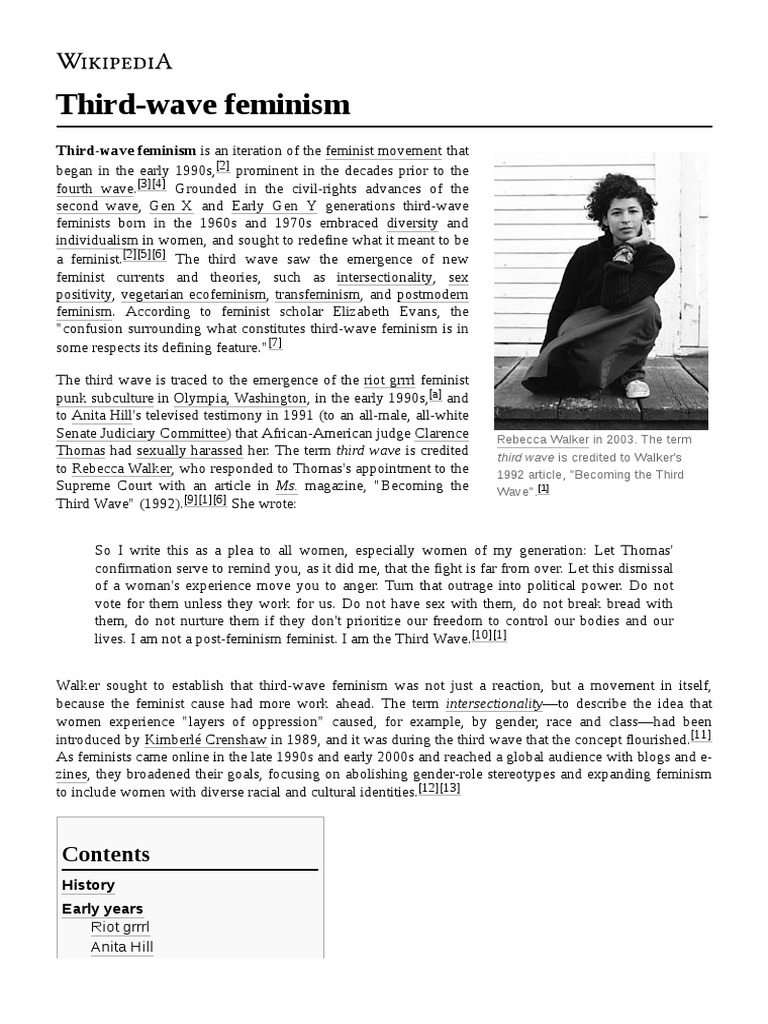
No discussion of feminism would be complete without acknowledging the concept of intersectionality. Coined by Kimberlé Crenshaw, intersectionality recognizes that gender is not experienced in isolation but is intertwined with other aspects of identity, such as race, class, sexuality, disability, and nationality.
These intersecting identities create unique experiences of oppression and privilege. A black woman, for example, experiences both racism and sexism, but her experience is not simply the sum of these two forms of oppression. It is a distinct and complex reality shaped by the intersection of these identities.
Intersectionality challenges the tendency to universalize women’s experiences and to focus solely on gender as the primary axis of oppression. It emphasizes the importance of understanding the diverse experiences of women and of recognizing the interconnectedness of various forms of oppression. It’s a call for inclusivity and solidarity among all marginalized groups.
Other Emerging Feminist Perspectives
The feminist landscape continues to evolve, giving rise to new and nuanced perspectives. Post-structuralist feminism, for example, draws on the work of thinkers like Michel Foucault and Jacques Derrida to deconstruct traditional notions of gender and power. Queer feminism challenges heteronormativity and advocates for the rights and liberation of LGBTQ+ individuals. Eco-feminism explores the connections between the oppression of women and the degradation of the environment.
Transfeminism, a critical perspective, integrates the experiences and perspectives of transgender and gender non-conforming individuals into feminist analysis. It challenges the binary understanding of gender and advocates for the rights and inclusion of trans people. This intersectional approach broadens the scope of feminist theory and activism, highlighting the diverse ways gender intersects with other forms of identity and oppression.
The Ongoing Evolution of Feminism
Feminism is not a static ideology; it is a dynamic and evolving movement. It is constantly adapting to new challenges and incorporating new perspectives. The internal debates and disagreements within feminism are not signs of weakness but rather evidence of its intellectual vitality. They demonstrate a willingness to grapple with complex issues and to strive for a more just and equitable world for all.
Perhaps this exploration has unsettled you. Perhaps it has ignited a spark of curiosity. Perhaps it has even challenged some deeply held beliefs. That, my friends, is precisely the point. Feminism, in all its messy, contradictory, and often infuriating glory, is a powerful force for change. It compels us to question the status quo, to challenge injustice, and to imagine a better world.
So, the question is: will you heed the call?






Leave a Comment