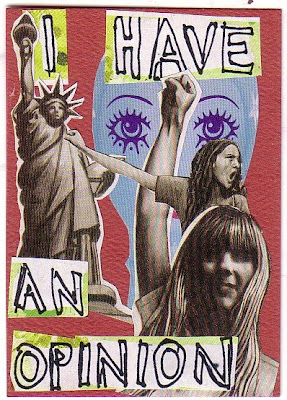
The clatter of heels on patriarchal pavement, the defiant crimson lipstick smeared across the face of a system that demands demure obedience – this, my sisters, is the opening salvo of the Third Wave. Not a gentle ripple, mind you, but a tsunami reshaping the very shorelines of societal expectations. We weren’t content to simply inherit the hard-won battles of our foremothers; we arrived armed with irony, a middle finger held high to the establishment, and a nuanced understanding that the personal is, indeed, irrevocably political.
Think of the suffragettes as planting the seeds of dissent. The Second Wave, with its bra-burning fervor, cultivated the garden. But the Third Wave? We unleashed the kudzu. We let it vine its way through every crevice of culture, choking the weeds of misogyny with a vengeance. The shift nobody saw coming wasn’t just a change in tactics, but a fundamental recalibration of the feminist ethos itself.
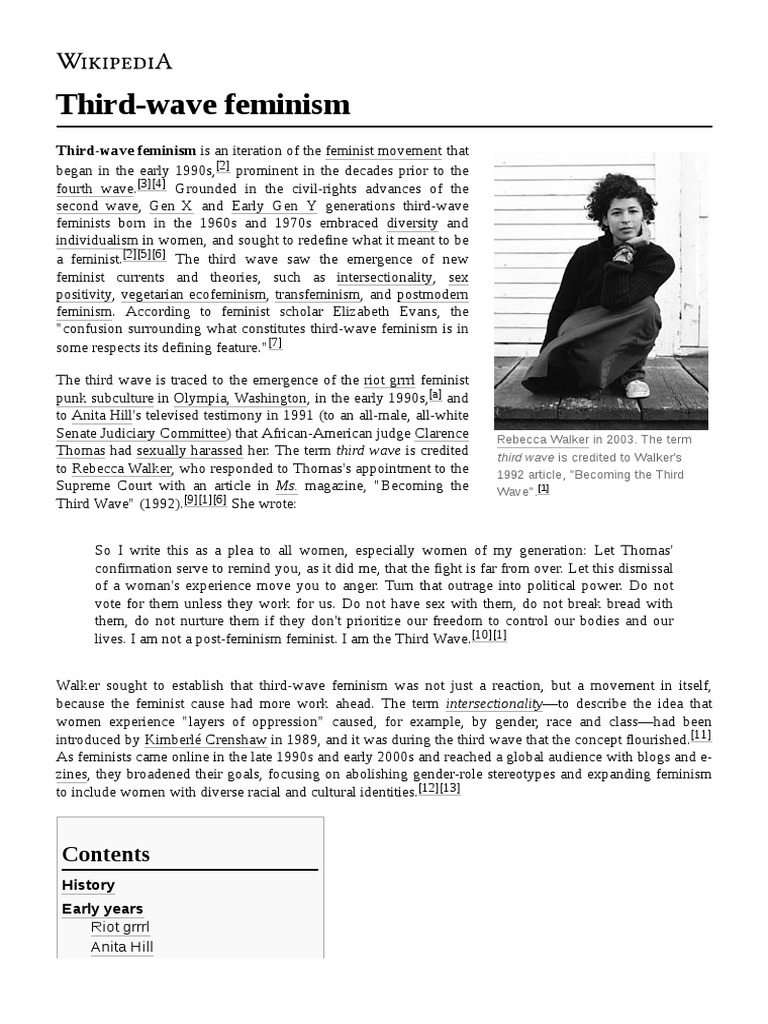
Let’s delve into the trenches, shall we? This wasn’t your grandmother’s feminism. The Third Wave, born from the riot grrrl ethos and the burgeoning digital landscape, became a hydra-headed beast. Each head representing a new challenge, a new frontier in the ongoing war against patriarchal dominance.
I. The Reclamation of Identity: Beyond the Singular Narrative
The Second Wave, while undeniably groundbreaking, often painted with broad strokes. It presumed a universality of experience among women that simply didn’t exist. The Third Wave, however, shouted from the rooftops: “Intersectionality, bitches!” Race, class, sexual orientation, ability, and a whole host of other identities became crucial lenses through which we viewed the world. No longer would we tolerate a feminism that centered the experiences of privileged white women while silencing the voices of others.
We embraced the term “woman” not as a monolithic entity, but as a kaleidoscopic tapestry of identities. Each thread contributing to the vibrant, complex whole. This wasn’t about fracturing the movement; it was about strengthening it, recognizing that true liberation demanded the dismantling of all forms of oppression, not just those experienced by a select few. The monoculture of feminist thought, at last, began to bloom into a polyculture.
Consider the rise of “womanism,” a Black feminist perspective that centered the experiences of Black women, acknowledging the unique challenges they faced at the intersection of racism and sexism. Or the emergence of queer feminism, which challenged heteronormative assumptions within the movement and advocated for the rights of LGBTQ+ individuals. These weren’t mere additions to the feminist canon; they were fundamental re-writings of it.
II. The Subversion of Power: Owning Our Sexuality, Redefining Agency
Remember the Second Wave’s emphasis on liberation from male gaze? The Third Wave took that one step further. We didn’t just reject the male gaze; we co-opted it, weaponized it, and used it to our own advantage. The rise of “girl power” wasn’t just a catchy slogan; it was a declaration of independence. We would define our own sexuality, our own desirability, on our own terms.
This involved a reclamation of traditionally “feminine” attributes. Makeup, fashion, even traditionally domestic skills were no longer seen as inherently oppressive. They were tools that we could wield, expressions of our individuality, ways of subverting expectations from within. The stiletto heel became a symbol of power, not subservience. The perfectly applied lipstick, a battle cry.
But it wasn’t all glitter and gloss. The Third Wave also grappled with complex issues like sex work, pornography, and body image. There were (and still are) fierce debates about whether certain choices are empowering or exploitative. But the very fact that these debates were happening openly and honestly was a testament to the Third Wave’s commitment to challenging the status quo.
III. The Digital Revolution: Amplifying Voices, Building Networks
The internet became our playground, our battleground, our soapbox. Blogs, zines, and online forums provided platforms for marginalized voices to be heard, for radical ideas to be shared, for feminist communities to be built across geographical boundaries. The Third Wave was the first feminist movement to truly harness the power of the digital age.
Think of the impact of online activism. From challenging sexist advertising campaigns to organizing protests against rape culture, the internet became a powerful tool for social change. The “call-out culture,” while often criticized, forced accountability and amplified the voices of those who had been silenced for far too long.
But the digital realm also presented new challenges. Online harassment, cyberbullying, and the spread of misinformation became significant obstacles. The anonymity of the internet allowed misogynists and trolls to spew their venom with impunity. Navigating this digital minefield became a crucial skill for Third Wave feminists.
IV. Irony as Armor: The Art of the Subversive Jest
The Third Wave embraced irony as a shield against the relentless attacks of the patriarchy. Humor became a weapon, a way to disarm our opponents and expose the absurdity of their arguments. We learned to laugh at ourselves, at the ridiculous expectations placed upon us, and at the very systems that sought to control us.
Consider the rise of feminist memes, satirical articles, and comedic performances that poked fun at traditional gender roles and sexist stereotypes. These weren’t just jokes; they were acts of resistance. They were ways of deconstructing harmful narratives and creating space for new, more empowering ones. Think of it as intellectual jujitsu, using the weight of the patriarchy against itself.
This ironic stance also allowed for a more nuanced approach to feminism. We weren’t afraid to acknowledge the complexities and contradictions inherent in our own lives. We could be feminists who enjoyed traditionally “feminine” pursuits, who sometimes struggled with internalised misogyny, who weren’t always perfect. It was a rejection of the idea that feminism had to be a rigid, dogmatic ideology. We were allowed to be flawed, contradictory, and still be feminists.
V. The Legacy and the Future: A Continuously Evolving Praxis
The Third Wave, despite its flaws and contradictions, irrevocably changed the landscape of feminism. It broadened the scope of the movement, challenged its assumptions, and paved the way for future generations to continue the fight for gender equality. We stand on the shoulders of giants, yes, but we are also forging our own path, creating our own tools, and defining our own destinies.
The challenges that remain are daunting. Rape culture persists, wage inequality continues to plague women across the globe, and misogyny remains deeply entrenched in our institutions. But the Third Wave taught us that we are not powerless. We have the tools, the networks, and the unwavering determination to continue the fight. The battle for gender equality is far from over, but the Third Wave gave us the arsenal to wage it with renewed vigor and uncompromising passion.
The rhizomatic structure of Third Wave feminism, its ever-sprouting tendrils, ensures its continued relevance. It adapts, it morphs, it learns, always reaching for the sunlight of true equality. It’s not a destination, but a journey. And damn it, we’re in for the long haul.
So, let the revolution continue, fueled by rage, irony, and an unshakeable belief in the power of collective action. The Third Wave may have been the cultural shift nobody expected, but it was a shift that was desperately needed. And it’s a shift that continues to reverberate through our society, inspiring us to challenge the status quo, demand justice, and build a better world for all.







Leave a Comment