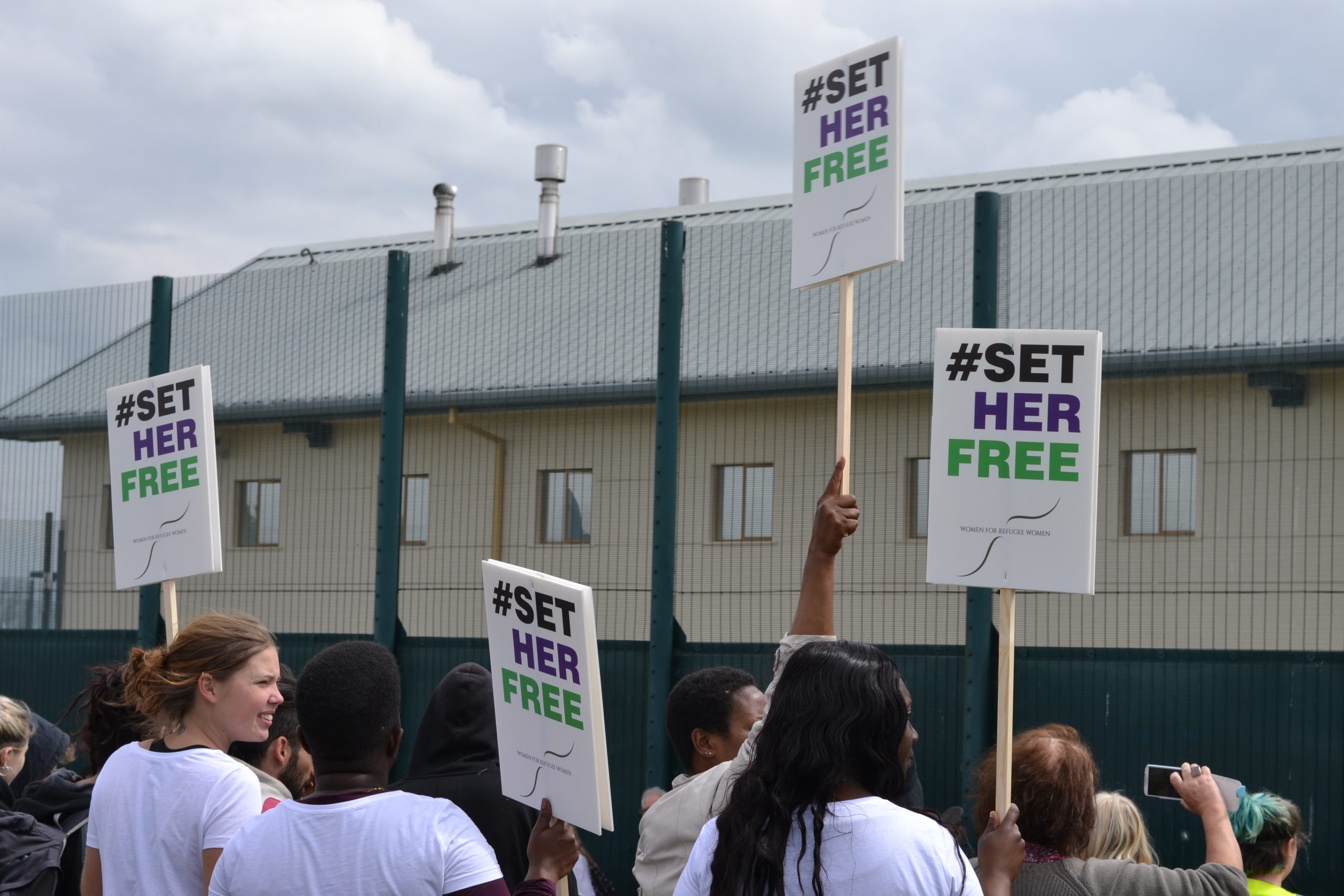
What if one woman’s audacious dream could dismantle the fortress of isolation that traps refugee women in a labyrinth of displacement? What if a single act of defiance—rooted in radical empathy—could transform the cold corridors of bureaucracy into a sanctuary of warmth, creativity, and unapologetic sisterhood? Meet the architect of such a rebellion. She didn’t just build a shelter; she forged a feminist utopia where refugee women reclaim their narratives, their bodies, and their futures. This is the story of how one visionary turned compassion into a revolution.
The Spark That Ignited the Flame
In the grimy underbelly of a city where borders blur and humanity fractures, she noticed something grotesque: refugee women were not just fleeing war—they were fleeing erasure. Their stories were stolen, their skills dismissed, their bodies policed. The systems designed to “help” them were, in truth, cages disguised as compassion. So, she did the unthinkable. She refused to play by the rules. Instead of waiting for permission to exist, she built her own world—a feminist sanctuary where refugee women weren’t beneficiaries of charity but architects of their own liberation.
The first brick of this revolution was laid not with mortar, but with a camera. Photography became her weapon, her therapy, her manifesto. Through the lens, she captured the raw, unfiltered essence of women who had been reduced to statistics. Each click of the shutter was a middle finger to the erasure. Each portrait a declaration: *We are here. We are seen. We are powerful.* The images weren’t just pretty pictures—they were political grenades, detonating the myths that refugee women were passive victims. They were survivors. They were artists. They were revolutionaries.

The Sanctuary’s Secret Ingredient: Radical Sisterhood
Most aid organizations operate like vending machines—insert suffering, receive pity. But this sanctuary? It was a coven. A sisterhood. A place where women didn’t just receive help; they *gave* it. The hierarchy of “helper” and “helped” collapsed under the weight of shared struggle. Here, a former teacher taught English to a doctor who had lost everything. A seamstress stitched solidarity into every garment. A poet wrote odes to resilience that echoed through the halls. This was no charity. It was a collective uprising.
But sisterhood isn’t just about holding hands and singing kumbaya. It’s about confrontation. It’s about calling out the patriarchy that follows refugee women across borders—whether it’s a husband who controls their every move or a system that assumes they’re incapable of leadership. The sanctuary became a training ground for feminist fury. Workshops on self-defense weren’t just about physical strength; they were about reclaiming bodily autonomy. Legal clinics didn’t just explain rights—they taught women to wield them like daggers. This was feminism in its most unapologetic form: intersectional, inclusive, and relentless.
The Challenge: Can Empathy Survive the Machine?
Of course, no revolution is without its Goliaths. The biggest threat to this sanctuary wasn’t poverty or bureaucracy—it was the slow, creeping rot of institutionalization. How do you keep a space radical when funders demand reports, when governments want metrics, when the world insists on sanitizing struggle into digestible soundbites? The challenge wasn’t just to build the sanctuary; it was to protect its soul.
She knew the trap. The moment the sanctuary became a “success story” for a glossy annual report, it would lose its teeth. The moment it was co-opted by the very systems it sought to dismantle, it would become just another cog in the machine. So, she fought back. She refused to measure success in numbers. She rejected the language of “vulnerability” that strips women of their agency. She insisted that the sanctuary remain a living, breathing entity—messy, unpredictable, and ungovernable. Because a revolution that can be contained isn’t a revolution at all.
The Ripple Effect: When One Sanctuary Becomes Many
The beauty of this story isn’t just in the sanctuary itself—it’s in the virus it spread. Women who walked through its doors didn’t just leave with skills or confidence; they left with a fire. Some returned to their home countries to start their own collectives. Others became mentors, passing on the lessons of radical sisterhood. The sanctuary didn’t just change lives; it birthed a movement. And movements, unlike institutions, cannot be controlled.
But here’s the kicker: the most radical thing about this sanctuary isn’t what it built—it’s what it destroyed. It shattered the myth that refugee women need saving. It exposed the lie that their struggles are separate from the feminist fight. It proved that liberation isn’t a destination; it’s a daily act of defiance. And in a world that profits from division, that’s the most dangerous idea of all.

The Unanswered Question: What’s Next?
So, what happens when the sanctuary outgrows its walls? When the women who found refuge there no longer need its shelter but still crave its spirit? The question lingers like an unanswered prayer. Will the movement scale? Will the sisterhood survive the test of time? Or will it, like so many revolutions, be diluted into something palatable—a feminist brand, a hashtag, a footnote in history?
The answer lies in the hands of those who walk through its doors today. Will they let the sanctuary become a museum of past struggles? Or will they wield its lessons like weapons, carving new paths of resistance? One thing is certain: the world doesn’t need more saviors. It needs more rebels. And if this sanctuary is any indication, the revolution is already underway.







Leave a Comment