
In a world where the act of wandering has long been a privilege dictated by gendered fears, a new feminist travel guide emerges—not just as a map, but as a manifesto. This isn’t your grandmother’s itinerary, stitched together with cautionary tales and whispered warnings. This is a radical reimagining of safe passage, where every destination is scrutinized through the lens of autonomy, accessibility, and justice. Women, non-binary travelers, and marginalized explorers no longer need to navigate the world with clenched fists and downcast eyes. Instead, they can reclaim the road, armed with knowledge that transcends mere statistics. Welcome to a guide where safety isn’t just about avoiding danger—it’s about thriving in spaces designed for everyone.
The Pillars of Feminist Travel: What Makes a Destination Truly Safe?
Safety in travel isn’t a monolith. It’s not enough to know that a country has low crime rates or a reputation for hospitality. True feminist travel safety is a tapestry woven from multiple threads: legal protections for survivors of violence, cultural attitudes toward gender expression, economic independence for women, and the presence of feminist infrastructure—think women-only public transport, 24/7 helplines, and nightlife spaces where harassment is swiftly addressed. It’s about countries where a solo traveler can walk at midnight without calculating the risk of being followed, where street vendors don’t assume she’s a target for price gouging, and where healthcare systems don’t dismiss her pain as “hormonal.” This guide doesn’t just rank countries by their absence of danger; it celebrates those that actively cultivate environments where women can move freely, loudly, and without apology.


Beyond the Usual Suspects: Uncovering Hidden Havens
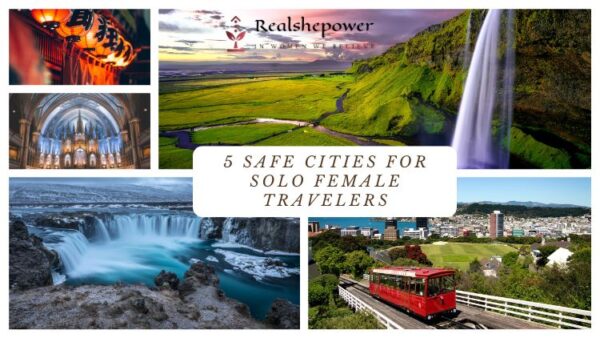
The trope of the “safe” travel destination is often hijacked by the same old narratives—Scandinavia, New Zealand, Canada—places that, while commendable, don’t tell the full story. This guide dives deeper, spotlighting nations where feminist progress isn’t just performative but deeply embedded in societal fabric. Consider the countries where women hold significant political power, where reproductive rights are non-negotiable, and where public spaces are designed with all genders in mind. These aren’t just destinations; they’re testaments to what happens when a society prioritizes equity over tradition. From the cobblestone alleys of Reykjavik to the bustling markets of Kigali, the guide reveals that safety isn’t confined to wealthy enclaves—it’s a global movement, and it’s gaining momentum.
Cultural Nuance: When Safety Meets Sensibility
Even the most progressive countries grapple with contradictions. A nation might boast stellar gender equality laws but still struggle with workplace discrimination. Another might have low crime rates but enforce restrictive dress codes. This guide doesn’t shy away from these complexities. Instead, it dissects them, offering readers a nuanced understanding of how to navigate cultural expectations without compromising their autonomy. For instance, in some societies, a woman traveling alone might face stares or whispers, but the guide arms her with strategies—how to dress to blend in, how to respond to invasive questions, and when to assert her presence unapologetically. Safety here isn’t about assimilation; it’s about informed resistance.
The Night Shift: How Feminist Travel Guides Redefine After-Dark Adventures
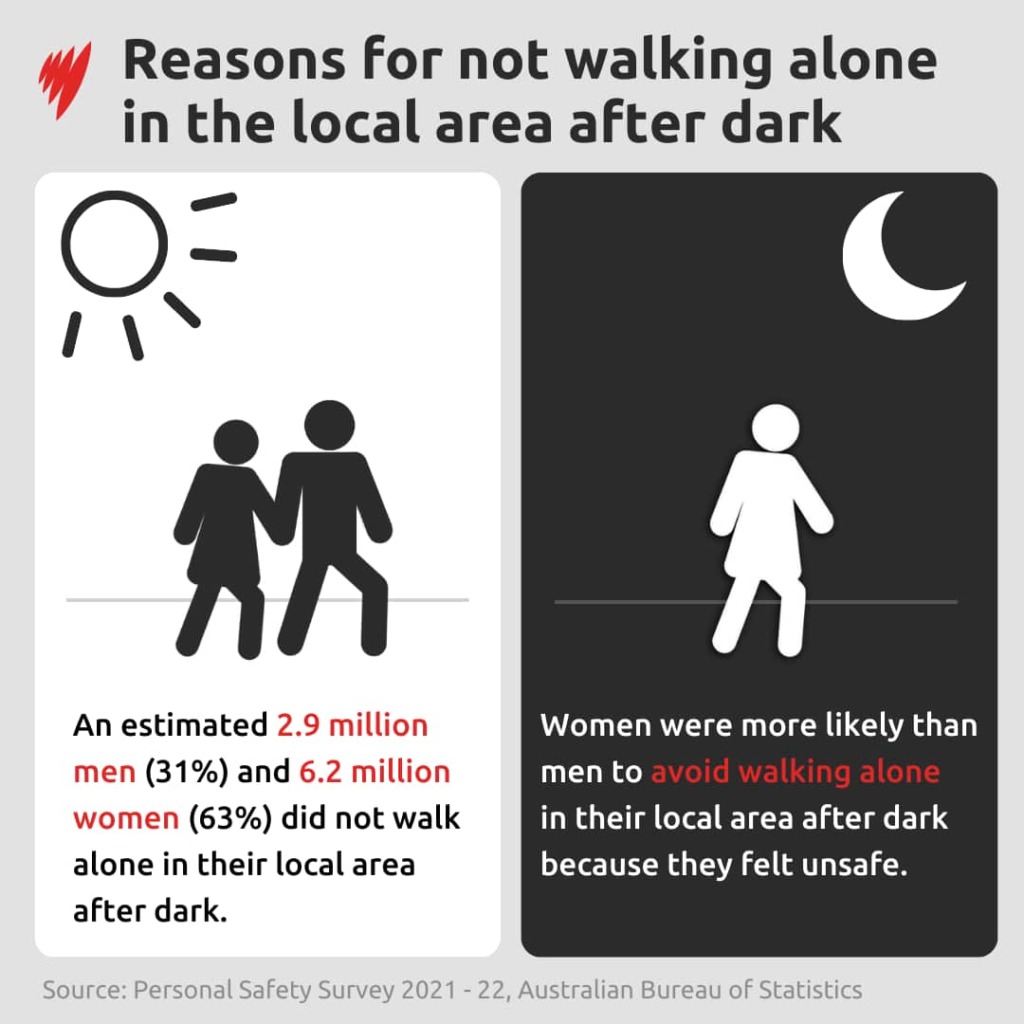
For too long, the night has been a battleground for women—where safety is measured in streetlights and the number of blocks between home and a taxi. This guide flips the script, spotlighting destinations where the night is reclaimed. It profiles cities with thriving women-only nightlife, where clubs and bars are designed with safety in mind—think well-lit venues, trained staff, and transportation networks that don’t vanish after sundown. It also highlights countries where solo night walks aren’t just tolerated but celebrated, where the hum of a city at midnight isn’t a threat but an invitation. The message is clear: the night belongs to everyone, and this guide ensures it’s enjoyed without fear.
Healthcare on the Go: Feminist Travel and Bodily Autonomy
A traveler’s safety isn’t just about avoiding violence—it’s about accessing healthcare that respects her body and choices. This guide delves into countries where reproductive rights are protected, where emergency contraception is available without judgment, and where LGBTQ+ travelers can seek care without fear of discrimination. It also addresses the often-overlooked issue of menstrual equity, highlighting destinations where period products are affordable and accessible, and where travelers aren’t shamed for carrying them. Safety, in this context, is holistic—it’s about ensuring that a traveler’s health needs are met with dignity, no matter where she roams.
Economic Empowerment: Traveling on Her Own Terms
Money talks, and in the world of travel, it often dictates who gets to explore freely. This guide shines a light on countries where women have economic independence, where they can rent a car without being charged a “female driver” premium, where they can dine alone without being seated at the bar, and where they can negotiate prices without being lowballed. It also profiles destinations where female entrepreneurs thrive, from women-led guesthouses in Morocco to female tour guides in Nepal. The message is simple: economic freedom is the ultimate form of safety. When a woman controls her finances, she controls her journey.

Digital Safety: Protecting Your Journey in a Connected World
In an era where every step is documented online, digital safety is as critical as physical security. This guide arms travelers with tools to protect their data—from using VPNs in countries with invasive surveillance to avoiding public Wi-Fi in high-risk areas. It also addresses the darker side of travel: the harassment that often follows women online, from unsolicited messages to doxxing. The guide offers strategies for curating a digital footprint that’s empowering, not exploitative, ensuring that a traveler’s online presence is a shield, not a vulnerability.
The Future of Feminist Travel: A Call to Action
This guide isn’t just a static list—it’s a living document, a rallying cry for travelers to demand more from the world. It challenges readers to ask: What does safety look like beyond the checklist? How can we hold destinations accountable for their promises? And most importantly, how can we ensure that every journey is an act of defiance against the systems that seek to restrict us? The future of travel isn’t just about visiting new places; it’s about reshaping them. With this guide in hand, every step taken is a step toward a world where no one has to whisper “I’m traveling alone” in fear. Instead, they can declare it with pride.









Leave a Comment