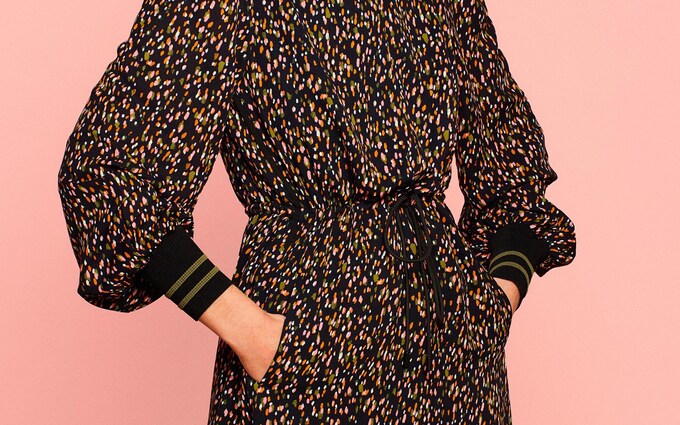
Fashion has long been a battleground for power—where fabric dictates freedom, seams enforce silence, and pockets, if they exist at all, feel like stolen victories. But what happens when a designer dares to stitch liberation into every stitch? When a feminist fashion line doesn’t just drape itself in slogans but reengineers the very architecture of clothing to empower the bodies that wear it? This is the quiet revolution unfolding in ateliers and on runways, where pockets are no longer an afterthought but a manifesto.
The Tyranny of the Seamless: How Fashion Has Silenced Women for Centuries
For generations, women’s clothing has been a study in contradiction: designed to be gazed upon, yet impossible to inhabit. Corsets cinched waists into submission. Skirts restricted movement with their voluminous weight. Even today, the average woman’s jeans feature pockets that are 48% smaller than a man’s—if they exist at all. This isn’t mere tailoring; it’s a sartorial gag order. Fashion has historically treated women’s bodies as decorative objects, not as vessels of agency. The absence of functional pockets isn’t an oversight—it’s a power play. When a woman can’t carry her phone, her keys, or her wallet without a bag, she’s tethered to inconvenience, to vulnerability. The message is clear: your hands must be free to clap, to pray, to beg, but never to hold.
Consider the irony. Women have been the primary consumers of fashion for decades, yet the industry has treated their practical needs as an afterthought. A 2018 study found that 90% of women’s jeans lacked functional pockets. The same year, a viral hashtag, #GiveHerThePocket, exposed the absurdity: women were forced to carry their essentials in purses, while men’s pockets held entire lives. This wasn’t just a design flaw—it was a cultural erasure. Fashion, in its most insidious form, has been complicit in shrinking women’s autonomy, one stitched hem at a time.
Pockets as Protest: The Radical Act of Designing for Utility
Enter the feminist fashion line that dares to defy this legacy. Here, pockets are not an accessory; they are a revolution. These garments don’t just drape—they distribute. They don’t just adorn—they enable. A blazer with deep, reinforced pockets isn’t just a piece of clothing; it’s a tool for self-reliance. A dress with a hidden side slit for easy access to a phone isn’t just stylish—it’s subversive. This is fashion as a form of civil disobedience, where every seam is a statement and every pocket a pocket of resistance.
But this isn’t about slapping on extra fabric and calling it a day. True feminist fashion reimagines the entire silhouette. It asks: What if clothing didn’t just flatter the body but liberated it? What if a woman could stride into a boardroom, a protest, or a first date without the encumbrance of a bag? The designers behind these lines are engineers of emancipation, using technical drawings to draft not just garments, but liberation. They employ ergonomic tailoring, strategic placement of seams, and even hidden compartments to ensure that functionality doesn’t come at the expense of aesthetics. The result? Clothing that moves with the wearer, not against them.
The Aesthetic of Autonomy: Redefining Beauty Through Function
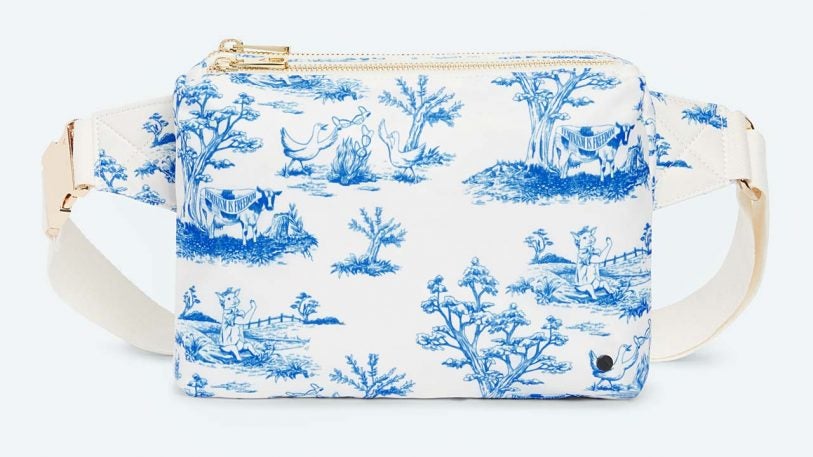
Feminist fashion isn’t just about utility—it’s about redefining what beauty looks like when it’s unshackled from oppression. Gone are the days when a woman’s worth was measured by how little she could carry. These designs embrace abundance: pockets that bulge with essentials, fabrics that breathe, silhouettes that don’t restrict. A maxi dress with a discreet cargo pocket isn’t just practical—it’s a middle finger to the idea that femininity must be delicate, must be constrained. Here, strength is beautiful. Efficiency is elegant. And a woman who can carry her own damn keys? That’s the new ideal.
This aesthetic extends beyond pockets. It’s in the choice of materials—breathable, sustainable fabrics that don’t trap the wearer in sweat or shame. It’s in the color palettes, which reject the pastel prisons of traditional women’s fashion in favor of bold, unapologetic hues. It’s in the cuts, which prioritize movement over modesty, comfort over constraint. The message is unmistakable: a woman’s body is not a canvas for others’ desires. It is her own sovereign territory, and her clothing should serve her, not the other way around.
From Runway to Revolution: The Cultural Ripple Effect
The impact of feminist fashion isn’t confined to the runway. It’s seeping into the cultural consciousness, challenging norms in boardrooms, classrooms, and streets. When a CEO strides into a meeting with a blazer that holds her laptop and a notebook, she’s not just dressed for success—she’s rewriting the rules of what success looks like. When a student walks to class with a backpack-free ensemble, she’s declaring her independence from the tyranny of the purse. These aren’t just fashion choices; they’re political statements.
Even the language of fashion is shifting. Terms like “unisex” and “gender-neutral” are being replaced by “inclusive” and “adaptive,” reflecting a deeper understanding of diverse bodies and needs. Designers are collaborating with activists, engineers, and even physiotherapists to create garments that don’t just look good but feel good—physically and emotionally. The result is a new lexicon of style, one that speaks in pockets instead of platitudes.
The Future Stitched in Thread: What’s Next for Feminist Fashion?
The next frontier? Smart textiles that adapt to the wearer’s needs. Imagine a dress with pockets that expand when you need to carry more, or a jacket with built-in chargers for your devices. Picture a world where every garment is designed with the wearer’s autonomy in mind, where fashion isn’t just about looking good but about feeling invincible. This isn’t sci-fi—it’s the logical evolution of feminist fashion.
But the real revolution lies in accessibility. For too long, feminist fashion has been the domain of the elite, priced out of reach for the very women it seeks to empower. The challenge now is to democratize this movement, to make pockets—and the freedom they represent—available to all. That means affordable lines, inclusive sizing, and a commitment to ethical production. It means recognizing that feminism isn’t a luxury; it’s a necessity.
So the next time you reach for a garment, ask yourself: Does this serve me, or does it serve the patriarchy? The answer might just change how you dress—and how you live.







Leave a Comment