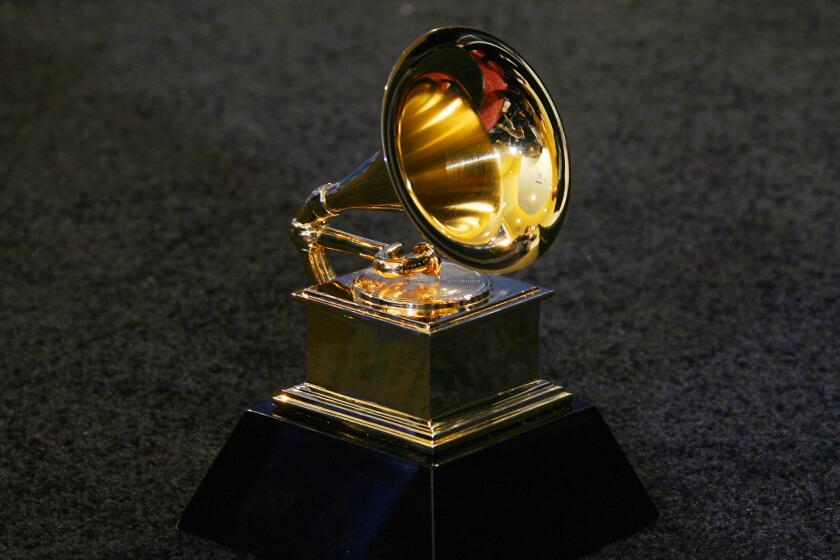
What if the Grammys, that glittering monolith of industry validation, finally woke up to the fact that women don’t just deserve a seat at the table—they deserve to build the entire banquet hall? Enter the quiet revolution of women-led record labels, where the power of creation trumps the politics of exclusion. This isn’t just a footnote in music history; it’s a seismic shift, and the Grammys are starting to notice.
The Audacity of Starting from Scratch
Imagine inheriting a system where the deck is stacked against you before the first note is even played. Women in music have spent decades navigating an industry that treats their artistry as a novelty rather than a norm. But what happens when the innovators stop asking for permission and start writing their own rules? Enter the rise of women’s record labels—bold, unapologetic, and designed to dismantle the old guard from within. These aren’t just boutique imprints; they’re arsenals of cultural change, where every release is a manifesto and every artist is a soldier in the fight for equity. The Grammys, long criticized for their myopic view of excellence, are finally peeking over the parapet to see what’s been brewing in the trenches.
These labels aren’t just signing talent; they’re rewriting the playbook on how music is made, marketed, and celebrated. From the indie darlings carving out space in niche genres to the genre-defying powerhouses demanding mainstream respect, women-led labels are proving that commercial success and artistic integrity aren’t mutually exclusive—they’re symbiotic. The Grammys, in their slow-motion awakening, are beginning to acknowledge that the future of music isn’t just male, pale, and stale. It’s diverse, it’s dynamic, and it’s damn near unstoppable.
The Grammys’ Awkward Dance with Progress
The Recording Academy has spent years playing catch-up, its reputation tarnished by scandals, snubs, and a stubborn refusal to acknowledge the seismic shifts in the industry. But here’s the paradox: the same institution that once crowned a sea of homogeneity is now tripping over itself to celebrate the very labels it ignored for decades. Why the sudden about-face? Because the market has spoken—and the market is tired of waiting for permission. Women-led labels aren’t just a trend; they’re a tidal wave, and the Grammys are scrambling to surf it without wiping out.
Consider the optics: a room full of industry gatekeepers, many of whom spent years dismissing women as “niche” or “too emotional” for the big leagues, now clapping for a woman-fronted label’s breakthrough album. It’s enough to make you gag on the irony. But here’s the catch—recognition isn’t the same as reform. The Grammys can pat themselves on the back for finally noticing, but until they overhaul their voting processes, diversify their committees, and stop rewarding the same recycled narratives, their “woke” moment will ring hollow. The question isn’t whether the Grammys will notice women-led labels. It’s whether they’ll ever stop being the last to arrive at the party.
The Double-Edged Sword of Industry Validation
There’s a seductive trap in the allure of mainstream validation. When a women-led label cracks the Grammys’ glass ceiling, it’s hailed as a triumph for all women—yet the victory often comes at a cost. The industry’s hunger for “diversity” is insatiable, but only if it doesn’t disrupt the status quo. What happens when the same labels that championed underrepresented voices are pressured to conform to the same old formulas? The risk isn’t just artistic dilution; it’s the erasure of the very radicalism that made these labels revolutionary in the first place.
The Grammys’ embrace of women-led labels could be the ultimate co-optation—or it could be the spark that ignites a full-blown cultural reckoning. The difference lies in whether these labels retain their autonomy or succumb to the industry’s relentless demand for assimilation. Will they be allowed to thrive on their own terms, or will they be reduced to mere footnotes in a system that still prioritizes male approval above all else? The answer may well determine whether this moment is a true turning point or just another fleeting illusion of progress.
The Unseen Labor Behind the Scenes
Behind every Grammy-nominated album from a women-led label is a story of unseen labor—of managers, producers, engineers, and executives who’ve spent years fighting for a seat at the table, only to be told the table was never meant for them. These are the unsung architects of change, the ones who’ve built empires from the ground up while the industry’s old guard slept. The Grammys’ newfound interest in these labels is a testament to their success, but it’s also a reminder of how much work remains invisible to the mainstream.
Consider the data: women make up less than 10% of producers and engineers in the industry. The fact that women-led labels are even in a position to compete at the Grammys is a miracle of sheer willpower. But will the industry ever truly value the labor that goes into building these empires, or will it continue to treat it as a sideshow to the main event? The Grammys’ recognition is a step forward, but it’s not the finish line. The real victory will come when the people behind these labels are celebrated as equals—not just as tokens of diversity, but as the driving force behind the future of music.
The Challenge: Can the Industry Keep Up?
Here’s the playful yet pointed question that lingers like a challenge in the air: If the Grammys are finally taking notice of women-led labels, what happens when the industry realizes it’s not ready for the revolution it’s unleashed? The rise of these labels isn’t just a trend; it’s a fundamental shift in power. And power, as history has shown, is a fickle thing. The industry’s old guard may smile for the cameras now, but will they still be smiling when the rules they’ve spent decades writing are rewritten by the very people they once dismissed?
The challenge isn’t just for the Grammys—it’s for every corner of the music industry. Can record executives, radio programmers, and festival bookers adapt, or will they cling to the past until it crumbles beneath them? Can women-led labels maintain their integrity in an industry that rewards conformity above all else? The answers will shape the next decade of music, and the Grammys’ newfound interest is just the beginning. The real test will be whether the industry can evolve—or if it will be dragged kicking and screaming into the future.










Leave a Comment