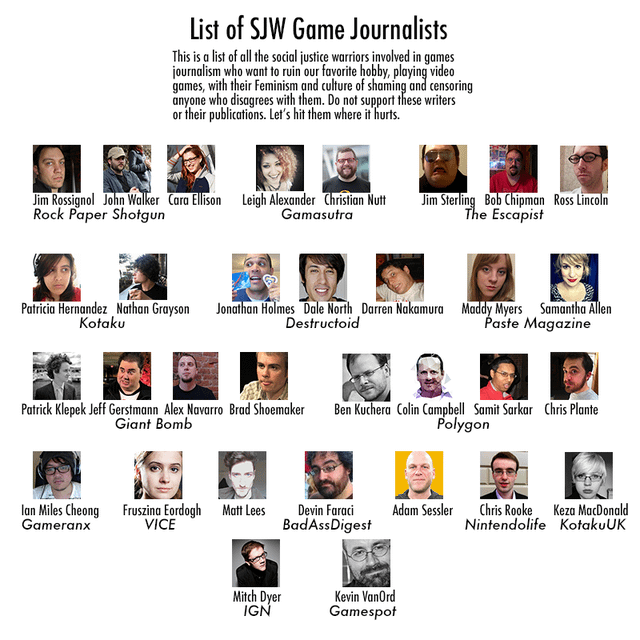
In the annals of digital misogyny, few phenomena have left as indelible a mark as Gamergate—a so-called “ethics in journalism” crusade that metastasized into a full-blown harassment campaign against women, LGBTQ+ individuals, and progressive voices in gaming. What began as a manufactured outrage over perceived corruption in game reviews quickly devolved into a coordinated assault on marginalized creators, their allies, and the very idea of ethical discourse online. A decade later, the legacy of Gamergate isn’t just a cautionary tale; it’s a blueprint for how harassment can be weaponized to silence dissent, reshape industries, and normalize toxicity as policy. This isn’t just about the past. It’s about the future we’re still fighting to reclaim.
The Spark That Lit the Fire: Manufactured Outrage and the Illusion of Ethics
Gamergate’s origins were a masterclass in disingenuous framing. What was ostensibly a movement demanding transparency in gaming journalism was, in reality, a coordinated effort to discredit and destroy women in the industry. The catalyst—a jilted ex-boyfriend’s blog post alleging unethical relationships between developers and critics—was less about ethics and more about entitlement. The gaming community, already primed by years of sexist tropes and exclusionary culture, seized on the narrative, transforming a personal grievance into a rallying cry for the aggrieved.
This wasn’t just about holding power to account; it was about punishing those who dared to challenge the status quo. Women like Zoe Quinn, Anita Sarkeesian, and Brianna Wu became targets not for any wrongdoing, but for existing in spaces they weren’t “supposed” to occupy. The irony? The same voices decrying “ethics” in journalism were the ones doxxing, threatening, and harassing their critics into silence. The Gamergate playbook was simple: manufacture a crisis, rally the mob, and then gaslight the world into believing the victims were the aggressors.

From Trolling to Terror: The Normalization of Digital Violence
The Gamergate harassment campaign wasn’t just a series of isolated incidents—it was a systemic assault on digital safety. Women received death threats. Their home addresses were posted online. Their families were targeted. The goal wasn’t debate; it was annihilation. And yet, despite the sheer scale of the abuse, the response from platforms like Twitter (now X) and Reddit was tepid at best. Moderation was reactive, not proactive. Reporting systems were clunky, easily gamed by harassers. The message was clear: if you’re a woman, your safety is secondary to the “free speech” of your abusers.
This normalization of digital violence had ripple effects far beyond gaming. It taught a generation of online trolls that harassment wasn’t just tolerated—it was a viable strategy. The tactics pioneered during Gamergate—swatting, doxxing, coordinated harassment raids—became industry standards for silencing critics. From journalists to politicians to activists, the playbook remained the same: flood your target with abuse until they retreat or break. The gaming community didn’t just pioneer this behavior; it perfected it, turning harassment into a spectator sport where the audience cheered the tormentors on.

The Corporate Complicity: How Gaming Companies Enabled the Chaos
If Gamergate proved anything, it’s that corporations will prioritize profit over people every single time. Gaming companies, from indie studios to industry giants like Activision Blizzard, initially distanced themselves from the controversy—until the backlash against their inaction grew too loud to ignore. Even then, their responses were performative: hollow statements of support for “diversity” followed by lukewarm condemnations of harassment that never translated into real action.
Take the case of Intel, which initially pulled ads from gaming sites amid the backlash but later reinstated them without addressing the underlying culture of toxicity. Or consider the countless studios that turned a blind eye to harassment in their own communities, only to scramble when a scandal threatened their bottom line. The message was unambiguous: women’s safety was a PR concern, not a moral imperative. This complicity didn’t just enable Gamergate—it emboldened it. When the people in power refuse to take a stand, the bullies fill the void.
The result? A gaming industry where harassment is still treated as an inevitability rather than a crisis. Where women and marginalized creators are forced to navigate a minefield of abuse just to do their jobs. Where the same companies that profit from inclusive games remain silent when their own employees face harassment. Gamergate didn’t just expose the rot in gaming culture—it revealed how deeply corporations are willing to exploit that rot for their own gain.
The Aftermath: How Gamergate Redefined Online Harassment Forever
A decade after Gamergate, its legacy is everywhere. The tactics it popularized—coordinated harassment, doxxing, weaponized misinformation—have become standard operating procedure for online abusers. From the rise of incel forums to the alt-right’s trolling armies, the Gamergate playbook is now a global phenomenon. And yet, despite its ubiquity, the movement’s true impact is often minimized or outright denied by those who benefited from its chaos.
Consider the way “Gamergate” is now used as a catch-all term for any criticism of gaming culture, as if the original movement was about ethics rather than entitlement. Or how the same voices that once screamed about “corruption” in gaming journalism now dismiss concerns about diversity as “woke” censorship. The irony is delicious: the people who claimed to be fighting for transparency are the same ones who’ve spent years obfuscating the truth about their own behavior.
But here’s the thing: Gamergate didn’t just change the internet. It changed us. It forced marginalized creators to develop ingenious ways to protect themselves—burner accounts, private networks, legal threats. It pushed platforms to (sometimes) take harassment more seriously. And it galvanized a new generation of activists who refuse to accept toxicity as the price of admission to online spaces. The fight isn’t over. If anything, it’s only just beginning.

The Future We’re Still Fighting For
Gamergate’s legacy isn’t just a historical footnote. It’s a warning. A reminder of what happens when harassment is allowed to flourish unchecked. When corporations prioritize engagement over safety. When the people in power look the other way while the vulnerable are crushed beneath the weight of online abuse. The gaming industry today is a far cry from the one that birthed Gamergate, but the fight for true inclusivity is far from over.
What would it look like to dismantle the Gamergate legacy? It would mean platforms taking harassment seriously—not just when it’s trending, but every single day. It would mean gaming companies investing in real accountability, not performative allyship. It would mean calling out toxicity wherever we see it, even when it’s inconvenient. And most importantly, it would mean refusing to let the bullies win.
The internet doesn’t have to be a wasteland of harassment and hate. But until we confront the rot at its core, Gamergate’s shadow will continue to loom large. The question isn’t whether we can change things. It’s whether we’re willing to fight for the future we deserve.





Leave a Comment