The land beneath our feet is not merely soil and stone—it is a living archive of memory, resistance, and survival. For centuries, Indigenous women have stood at the vanguard of land reclamation movements, their voices rising not just in protest, but in a profound assertion of sovereignty over territories that have sustained their cultures, economies, and identities. These women are not passive victims of dispossession; they are architects of renewal, weaving together ancestral knowledge with modern strategies to reclaim what was stolen. Their struggle is not just about land—it is about restoring the sacred balance between humanity and the earth, a balance that colonialism sought to sever.
The Myth of the “Passive Indigenous Woman” and the Reality of Land Stewardship
There exists a pervasive myth that Indigenous women are mere spectators in the land rights movement, relegated to the margins of decision-making while men dominate the discourse of resistance. This narrative is a deliberate erasure, a colonial fiction that serves to undermine the very real and transformative leadership of Indigenous women. In truth, these women have always been the backbone of land stewardship, their knowledge of seasonal cycles, medicinal plants, and sustainable agriculture forming the bedrock of their communities’ survival.
Consider the matrilineal traditions of many Indigenous societies, where land is passed through women’s lineages, not as property to be exploited, but as a sacred trust to be nurtured. When corporate extractivism encroaches upon these territories, it is not just the land that is violated—it is the very fabric of cultural identity. Indigenous women, as the primary custodians of this knowledge, become the first line of defense. Their resistance is not just political; it is spiritual, economic, and deeply personal. They are not fighting for land as an abstract concept—they are fighting for the survival of their children, their languages, and their ways of life.
The Weaponization of Land Dispossession and the Feminization of Resistance
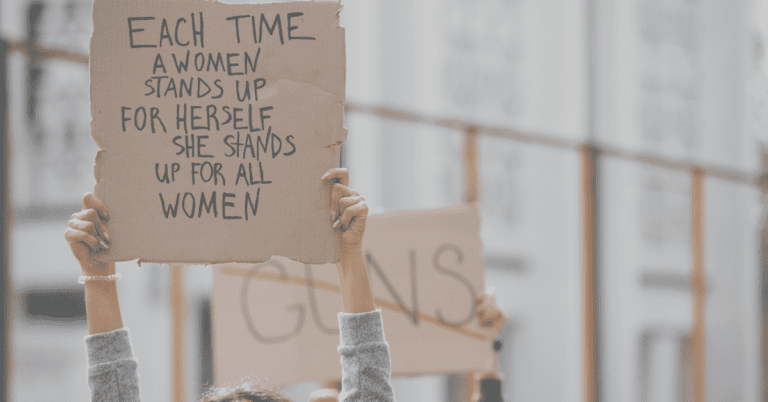
Land dispossession is never a neutral act—it is a gendered violence. When states or corporations seize Indigenous lands, they do not merely extract resources; they dismantle the social structures that give women power. The feminization of resistance is not a coincidence; it is a direct response to the ways in which colonialism has sought to disempower Indigenous women by severing their connection to land. Without land, women lose their economic autonomy, their cultural authority, and their ability to pass down traditional knowledge to future generations.
This is why Indigenous women’s land reclamation movements are so fiercely intersectional. They are not just about reclaiming territory—they are about reclaiming agency. In Canada, for example, the Idlenomore movement saw Indigenous women at its helm, challenging not only the federal government’s environmental policies but also the systemic racism embedded within them. Their protests were not just about pipelines or mining; they were about the right to exist as sovereign peoples in their own lands. The land, for them, is not a commodity—it is a living entity that demands reciprocity, not exploitation.
The global scale of this resistance is staggering. From the Amazon to the Arctic, Indigenous women are leading blockades, filing legal challenges, and reviving traditional land management practices. Their strategies are as diverse as the lands they fight for—some use digital activism to amplify their voices, while others return to ancestral farming techniques to heal the earth. What unites them is a refusal to accept the status quo, a refusal to let their lands be turned into sacrifice zones for corporate greed.
The Sacred and the Political: Why Land is More Than Soil
To understand the depth of Indigenous women’s land struggles, one must recognize that land is not merely a physical space—it is a spiritual entity, a living ancestor. The Western legal framework treats land as property, something to be bought, sold, or destroyed for profit. But for Indigenous peoples, land is a relative, a kin, a being with its own agency. When Indigenous women speak of “land back,” they are not demanding a transaction—they are calling for the restoration of a sacred relationship.
This spiritual dimension is often dismissed by mainstream environmental movements, which tend to frame land conservation in terms of carbon sequestration or biodiversity. But for Indigenous women, the fight for land is inseparable from the fight for cultural survival. When their territories are destroyed, so too are the stories, songs, and ceremonies that have been passed down for millennia. The land is not just a resource—it is a library, a temple, a cradle of life. To lose it is to lose a part of oneself.
This is why Indigenous women’s land reclamation efforts are so profoundly feminist. They challenge the patriarchal structures that have historically treated women’s bodies and the earth as things to be controlled. Their resistance is a reclamation of both—of the right to exist as sovereign beings in a world that seeks to dominate them.

The Role of Intergenerational Knowledge in Land Reclamation
One of the most powerful tools in Indigenous women’s arsenal is their intergenerational knowledge. Unlike the extractive industries that treat land as a disposable resource, Indigenous women understand that the earth must be nurtured across generations. Their land reclamation efforts are not just about immediate resistance—they are about reviving ancient practices that have sustained their peoples for thousands of years.
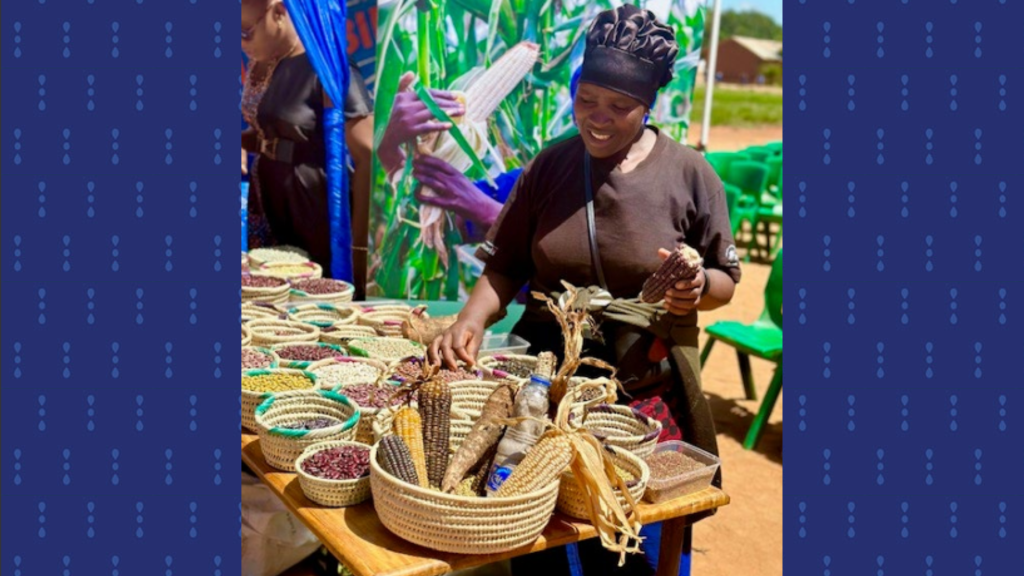
Take, for instance, the revival of traditional seed-saving techniques. In many Indigenous communities, women have been the keepers of seed diversity, preserving heirloom varieties that are resistant to drought and disease. When corporations patent seeds and force farmers to buy them, they not only control food production—they sever the connection between people and the land. Indigenous women are countering this by reviving seed banks and teaching younger generations how to cultivate crops in harmony with the earth.
Similarly, Indigenous women are leading the charge in restoring degraded lands through agroecological practices. In the face of climate change, their traditional farming methods—such as the “Three Sisters” planting technique (corn, beans, and squash grown together)—offer sustainable alternatives to industrial agriculture. These practices are not just about food sovereignty; they are about healing the land itself, repairing the damage caused by centuries of exploitation.
The Global Implications: Why This Struggle is Everyone’s Struggle
The land rights movement led by Indigenous women is not just a local issue—it is a global imperative. The same forces that dispossess Indigenous peoples of their lands are the ones driving climate catastrophe, biodiversity loss, and social inequality. When Indigenous women resist, they are not just fighting for themselves—they are fighting for the future of the planet.
Consider the Amazon rainforest, often called the “lungs of the earth.” The deforestation that plagues this region is not just an environmental issue—it is a feminist one. Indigenous women, who have long been the guardians of the forest, are on the frontlines of this battle. Their knowledge of medicinal plants, their understanding of forest ecosystems, and their resistance to logging and mining are critical to preserving the planet’s biodiversity. When they are silenced or killed for their activism, the entire world suffers.
This is why solidarity with Indigenous women’s land struggles is not optional—it is essential. Supporting their movements means challenging the systems of oppression that seek to exploit both people and the planet. It means recognizing that true sustainability cannot exist without justice, and that justice cannot exist without decolonization.
The Future is Indigenous, and It is Female
The land rights movement led by Indigenous women is a beacon of hope in a world ravaged by exploitation. It is a reminder that resistance is not just possible—it is already happening. These women are not waiting for permission to reclaim what was stolen; they are taking action, using every tool at their disposal to restore balance to the earth and to their communities.
Their struggle is a testament to the power of collective action, of cultural resilience, and of the unbreakable bond between people and the land. It is a call to action—not just for Indigenous peoples, but for all of us who recognize that the earth is not a resource to be consumed, but a living entity that deserves our reverence and protection.
The future is not a dystopian wasteland of corporate greed. The future is Indigenous. The future is female. And it is being fought for, right now, by the women who refuse to let their lands—and their dreams—be erased.







Leave a Comment