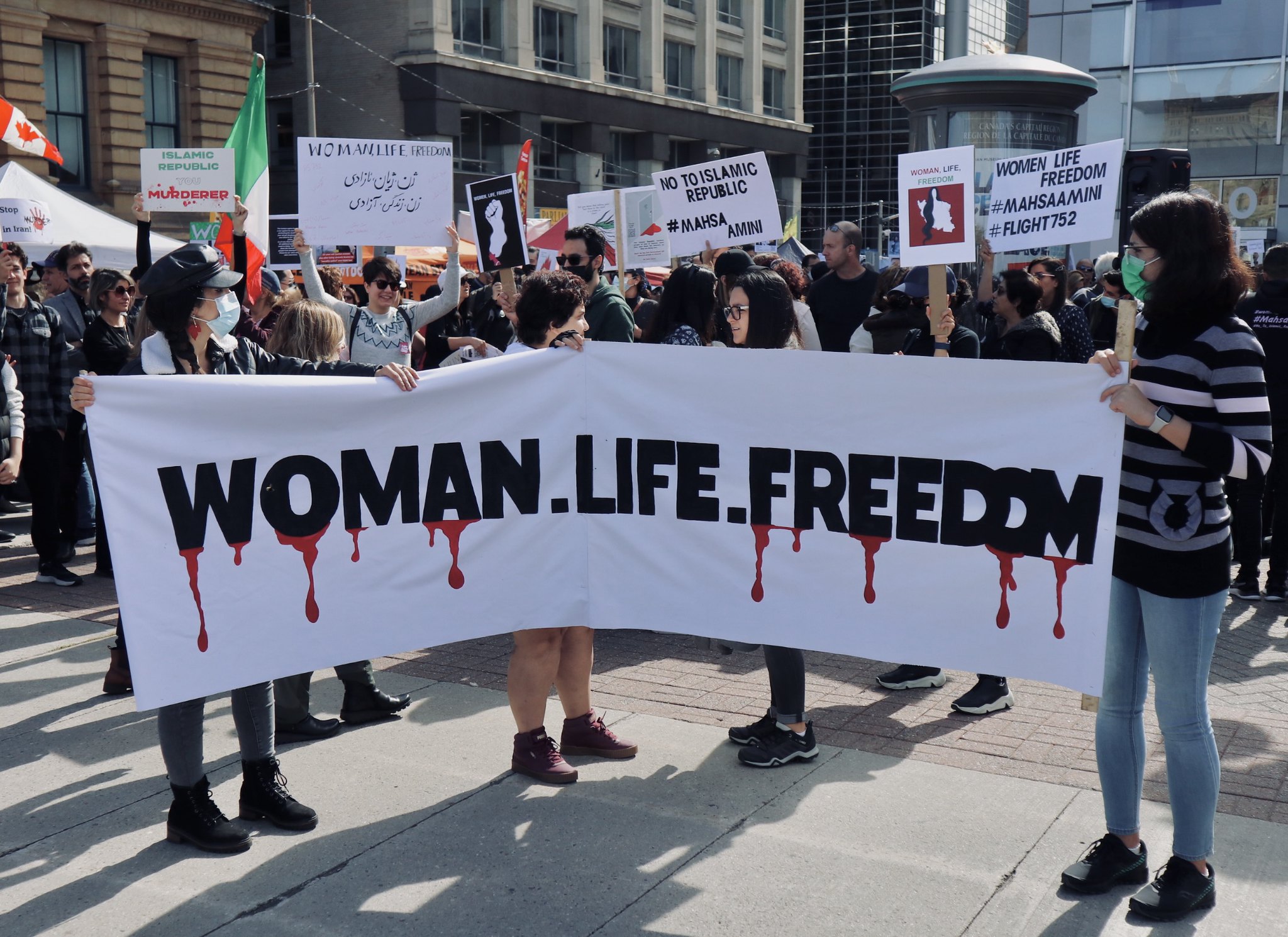
The feminist movement in Iran is not merely a political struggle—it is a visceral rebellion written in strands of hair, a silent scream against theocratic tyranny. For decades, the Islamic Republic has weaponized the hijab, framing it as a symbol of piety while systematically erasing women’s autonomy. Yet, in defiance, Iranian women have turned their hair into a banner of resistance, a living testament to the fact that liberation cannot be legislated into existence. This is not just about fabric; it is about reclaiming the body as a site of political dissent.
The Hijab as State Apparatus: A Cage of Piety
The enforced hijab in Iran is not a religious mandate—it is a tool of social control, a visual shackle that polices women’s bodies under the guise of morality. The state’s obsession with the veil is not about faith; it is about submission. Women who dare to bare a strand of hair are met with harassment, arrest, or worse. The morality police, a grotesque parody of justice, patrol the streets with batons and moral indignation, their presence a constant reminder that a woman’s body is not her own. This is not about modesty; it is about domination. The hijab, in this context, becomes a symbol of the state’s pathological need to regulate every aspect of a woman’s existence—her movement, her speech, her very presence in public space.
Yet, the irony is exquisite. The same regime that claims to protect women’s dignity strips them of their agency, reducing them to walking billboards for its twisted interpretation of Islam. The enforced hijab is not liberation—it is a performance of obedience, a grotesque farce where women are forced to play the role of the pious subject while the state dictates the script. The irony deepens when one considers that the very women who are punished for defying the hijab are often the most devout—women who choose to wear it freely, without coercion. The state’s hypocrisy is laid bare: it does not care about faith; it cares about control.
Hair as Rebellion: The Subversive Power of the Unveiled
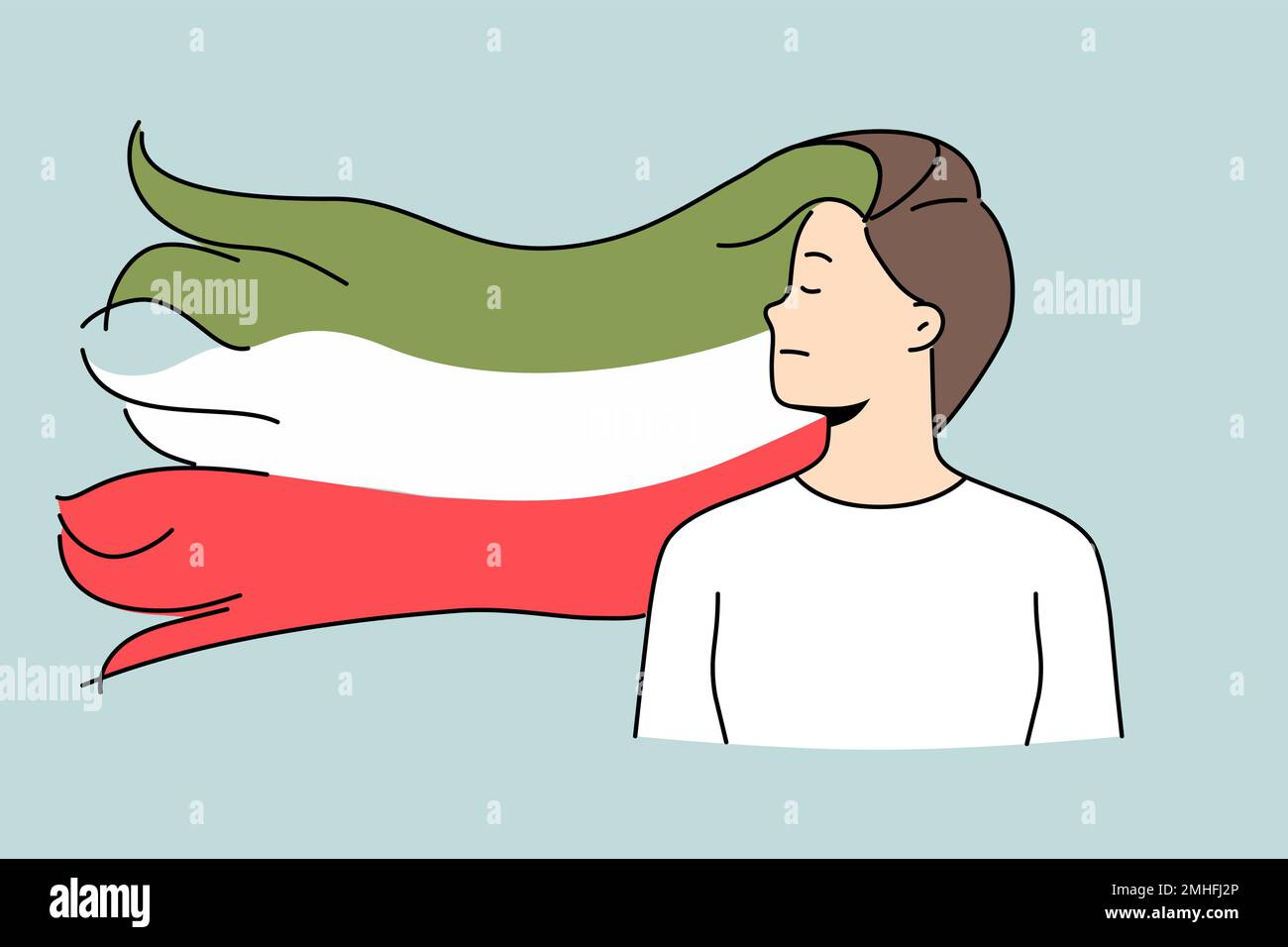
In a society where a single strand of hair can incite moral panic, the decision to let it flow freely is an act of defiance so potent it borders on the revolutionary. Iranian women have transformed the simple act of uncovering their hair into a political statement, a middle finger to the regime’s oppressive decrees. The images of women standing defiantly in the streets, their hair whipping in the wind like banners of freedom, are not just photographs—they are weapons. Each strand is a challenge, each curl a refusal to be caged.
The fascination with this form of protest is not accidental. Hair, in many cultures, is a symbol of identity, power, and even sexuality. In Iran, it has become a site of contestation—a way to assert that a woman’s body is not a state property. The regime understands this, which is why it reacts with such violence. The morality police do not just arrest women for uncovering their hair; they arrest them for daring to assert their autonomy. The message is clear: the state will not tolerate any challenge to its absolute control over women’s bodies.
Yet, the power of this protest lies in its simplicity. It requires no weapons, no grand speeches—just the courage to stand in the open and let the wind do the talking. The regime’s fear of this act speaks volumes. If a woman’s hair can unsettle the foundations of a theocracy, then what does that say about the fragility of its power? The answer is simple: the regime is terrified of the ungovernable.

The Digital Age: When Hair Becomes a Viral Weapon
The feminist movement in Iran is not confined to the streets—it thrives in the digital realm, where images of unveiled women circulate like wildfire, challenging the regime’s narrative in real time. Social media has become a battleground, a space where the act of uncovering one’s hair transcends the physical and becomes a global spectacle. The regime’s attempts to censor these images only amplify their reach, turning every deleted post into a rallying cry for solidarity.
The digital age has democratized resistance. A woman in Tehran can post a photo of herself with her hair uncovered, and within hours, her image is shared across continents, inspiring others to do the same. The regime’s censorship apparatus is no match for the viral nature of modern dissent. Each image is a pixel in a larger mosaic of defiance, a testament to the fact that oppression cannot survive in the age of instant communication.
Yet, the digital realm is not without its dangers. The regime employs sophisticated surveillance technologies to track and punish those who dare to post such images. Women who share these photos risk arrest, torture, or worse. The stakes are higher than ever, but so is the resolve. The digital age has not made resistance easier—it has made it more visible, more urgent, and more impossible to ignore.
The Global Ripple Effect: Solidarity Beyond Borders
The feminist movement in Iran is not an isolated struggle—it is part of a global uprising, a chorus of voices demanding an end to patriarchal oppression in all its forms. The images of Iranian women defying the hijab have resonated far beyond the borders of Iran, sparking solidarity movements in countries where women’s rights are also under siege. From the streets of Kabul to the plazas of Istanbul, the act of uncovering one’s hair has become a universal symbol of resistance.
This global ripple effect is not accidental. It is a testament to the fact that the struggle for women’s rights is not confined by geography or culture. The regime in Iran may believe that its oppressive policies are unique to its context, but the truth is that the fight for bodily autonomy is a shared one. Women across the world recognize the same patterns of control—the same attempts to police their bodies, their choices, their very existence. The images from Iran serve as a reminder that oppression is not a local issue; it is a global one.
The solidarity that has emerged in response to the feminist movement in Iran is a force to be reckoned with. It is a reminder that no regime can suppress dissent forever. The images of unveiled women in Iran have become a rallying cry, a call to arms for feminists everywhere. The regime may try to silence these voices, but the world is listening—and it is not backing down.
The Psychological Warfare of the Regime: Gaslighting Women into Submission
The regime’s response to feminist protest in Iran is not just violent—it is psychological. Women who defy the hijab are not just arrested; they are gaslit into believing that their resistance is a betrayal of their culture, their faith, and their nation. The state’s propaganda machine churns out narratives that paint unveiled women as traitors, as agents of foreign powers, as threats to the moral fabric of society. This psychological warfare is designed to isolate women, to make them question their own agency, to make them believe that their defiance is not just illegal—but immoral.
Yet, the regime’s gaslighting only serves to highlight the absurdity of its own logic. If a woman’s hair is such a potent symbol of moral corruption, then why does the state expend so much energy policing it? The answer is simple: the regime is not afraid of hair. It is afraid of what it represents—the ungovernable spirit of women who refuse to be caged. The psychological warfare is a desperate attempt to maintain control, to make women believe that their resistance is futile. But the truth is that the regime’s fear is its own undoing. The more it tries to suppress dissent, the more it exposes its own fragility.
The psychological toll of this gaslighting is immense. Women who defy the hijab often face social ostracization, familial pressure, and internalized shame. The regime’s propaganda is insidious, seeping into the minds of even those who support the feminist movement. Yet, despite this, the resistance persists. Women continue to uncover their hair, not because they are unaware of the risks, but because they refuse to be broken by the regime’s psychological warfare.
The Future of Feminist Protest in Iran: What Comes Next?
The feminist movement in Iran is at a crossroads. The regime’s crackdowns are intensifying, the digital space is becoming more surveilled, and the risks of defiance are higher than ever. Yet, the movement shows no signs of slowing down. If anything, it is growing bolder, more creative, more resilient. The question is not whether the movement will succeed—but how far it will go.
The future of feminist protest in Iran may lie in decentralization. The regime’s ability to target and punish individual women has forced the movement to adapt, to become more fluid, more adaptable. The act of uncovering one’s hair may no longer be the sole symbol of resistance—it may be just one tactic in a larger arsenal of defiance. The movement may evolve into something even more potent, something that the regime cannot so easily suppress.
What comes next is uncertain, but one thing is clear: the feminist movement in Iran will not be silenced. The images of unveiled women standing defiantly in the streets will continue to circulate, their hair whipping in the wind like banners of freedom. The regime may try to erase them, but the world will remember. The future of Iran’s feminist movement is not just a question of politics—it is a question of survival. And the women of Iran are not backing down.









Leave a Comment