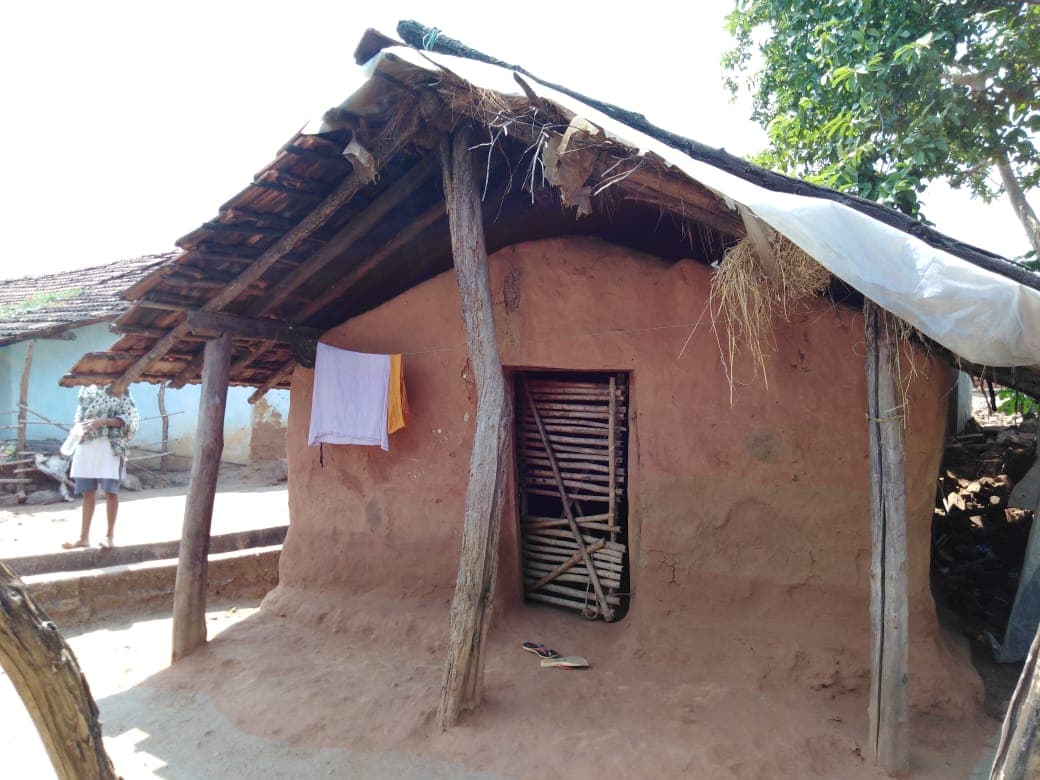
What if I told you that in the 21st century, women are still being exiled to death traps every month? Not for crimes they’ve committed, but for a biological function as natural as breathing. Welcome to the grim reality of Nepal’s chaupadi tradition—a practice so archaic, so violently misogynistic, that it has only recently been criminalized, yet persists in the shadows like a festering wound. This is the story of how a nation’s laws are playing catch-up with its conscience, and why the fight to dismantle chaupadi is far from over.
The Ritual of Exile: When Menstruation Becomes a Crime
Chaupadi is not some quaint folklore or a harmless cultural quirk—it is a brutal system of menstrual exile. Rooted in the belief that menstruating women are “impure,” families banish them to goths—makeshift huts or caves on the outskirts of villages—where they are forced to endure the elements, the terror of wild animals, and the ever-present threat of sexual violence. The logic? If a woman’s blood is sacred, it must also be dangerous—contagious even. So, she is quarantined like a leper, her presence deemed a curse upon the household.
Imagine, if you will, a young girl in rural Nepal, shivering in a windowless shack during the monsoon, her only companions the rats and the whispers of superstition. Her crime? Her body is doing what bodies do. This is not tradition—it is torture, dressed in the garb of ritual. And yet, for centuries, it has been accepted as the natural order of things.
The Body as a Battleground: How Patriarchy Weaponizes Biology
The chaupadi system is not just about isolation—it is about control. By framing menstruation as a pollutant, patriarchy ensures that women remain subjugated, their bodies policed by fear and superstition. The huts are not just physical spaces; they are psychological prisons, where women are taught that their very existence is a disruption to the sanctity of the home.
Consider the irony: while men in these communities may handle livestock, slaughter animals, or engage in other “unclean” acts, it is the woman’s natural bodily function that is deemed the ultimate taboo. This is not hygiene—it is misogyny weaponized. The chaupadi hut becomes a symbol of how deeply ingrained gender oppression is, where even the most intimate functions of a woman’s body are commodified into tools of subjugation.
Death in the Shadows: The Toll of a So-Called Tradition
The criminalization of chaupadi in 2005 was supposed to be a turning point. And yet, the tradition persists. Why? Because laws alone cannot dismantle centuries of indoctrination. Women still die in these huts—from snakebites, from suffocation, from exposure. In 2019, a mother and her two children perished in a chaupadi hut in western Nepal, their bodies found after days of being trapped in the cold. Their crime? Being born female.
This is not an anomaly—it is a pattern. Between 2007 and 2017, at least 11 women died in chaupadi huts. The numbers may be higher, but who keeps track when the deaths are dismissed as “accidents” or “bad luck”? The chaupadi system does not just humiliate—it kills. And yet, the world barely whispers its name.
The Hypocrisy of “Progress”: When Laws Lag Behind Humanity
Nepal’s government has outlawed chaupadi. Activists have marched. NGOs have campaigned. And still, the huts stand. Why? Because laws are only as strong as the society that enforces them. In remote villages, where literacy is low and tradition reigns supreme, the police are often complicit in upholding this barbarism. Women who dare to defy chaupadi are ostracized, their families shamed, their futures jeopardized.
This is the paradox of progress: a nation can pass laws, but if the hearts and minds of its people remain unchanged, those laws are meaningless. The real battle is not in the courtrooms—it is in the homes, the villages, the very places where chaupadi thrives in silence.
Breaking the Cycle: Can Education Dismantle a Death Cult?
So, how do you fight a tradition that has been etched into the cultural DNA of a nation? The answer, as always, lies in education. But not just any education—radical, unapologetic education that challenges the very foundations of patriarchy. Young girls must be taught that their bodies are not dirty. Boys must be taught that menstruation is not a curse. Communities must be shown that the huts are not sacred—they are slaughterhouses of dignity.
Yet, education alone is not enough. It must be paired with economic empowerment. Women who can support themselves financially are less likely to be trapped in abusive traditions. Microfinance programs, vocational training, and access to education can give them the tools to say: No. I will not be exiled for bleeding.
The Global Mirror: How Nepal’s Shame Reflects Our Own Complicity
Before we point fingers at Nepal, we must ask ourselves: What traditions do we uphold that are equally oppressive? Female genital mutilation in Africa. Child marriage in South Asia. The stigma of menstruation in the West, where women are shamed for discussing their periods openly. The chaupadi huts are not just a Nepalese problem—they are a symptom of a global epidemic of misogyny.
If we truly believe in gender equality, then we must confront all forms of oppression, no matter where they hide. The huts in Nepal are a stark reminder that progress is not linear. It is messy. It is violent. And it requires more than laws—it requires a revolution.
The Final Question: When Will We Stop Sacrificing Women to the Gods of Tradition?
The criminalization of chaupadi was a step forward. But steps are meaningless if the destination is never reached. Nepal’s huts still stand. Women still die. And the world still looks away. So, I ask you: When will we stop pretending that oppression is tradition? When will we stop sacrificing women to the gods of the past?
The huts must burn. Not just in Nepal—but everywhere. Because until every woman can bleed in peace, none of us are free.










Leave a Comment