What if I told you that the world’s first recorded women’s strike didn’t happen in Paris in 1968, or in New York in 1909, but in the sun-baked streets of Thebes over 3,200 years ago? The idea sounds almost mythic—until you realize that ancient Egypt, a civilization often romanticized for its pyramids and pharaohs, was also a crucible of radical feminist action. The women of Egypt didn’t just whisper their demands behind linen veils; they marched. They organized. They refused. And in doing so, they etched their names into the annals of labor history before the concept of “labor” even existed.
The Spark That Lit the Flame: A Society on the Brink
Picture this: It’s 1150 BCE, the reign of Pharaoh Ramesses III. The empire is vast, its wealth legendary, but beneath the golden veneer, the people are starving. The state has drained resources to fund wars, build monuments, and maintain a bloated bureaucracy. The workers—those who carved tombs, wove textiles, and ground grain—are paid in rations that barely fill their stomachs. And then there are the women: weavers, brewers, temple attendants, midwives, and laborers whose unpaid domestic work sustains the economy. They are the invisible scaffolding of a society that treats them as property, yet depends on their labor entirely.
But invisibility has a breaking point. When the grain stores run low and the promised wages vanish, the women of Deir el-Medina—a workers’ village near the Valley of the Kings—begin to murmur. They are not just hungry; they are furious. And fury, as history has shown, is the first ingredient of revolution.
The Strike That Shook the Nile: When Women Said “No More”
The records are fragmentary, but the details are electrifying. In the 29th year of Ramesses III’s reign, the women of Deir el-Medina staged a coordinated work stoppage. They refused to weave. They refused to brew. They refused to perform the unpaid domestic labor that kept the village functioning. Their strike wasn’t a single day of protest; it was a sustained withdrawal of labor, a calculated disruption of the status quo. And it worked.
Why? Because in a society where women’s labor was both exploited and essential, their absence was impossible to ignore. The men—who were also striking, in solidarity—could not function without the women’s support. The strike wasn’t just about wages; it was about dignity. It was a declaration that women’s work had value, that their bodies were not commodities, and that their silence was not obedience.
Imagine the scene: the village, usually humming with the rhythm of looms and the scent of baking bread, falls eerily quiet. The overseers panic. The scribes scramble to record the unprecedented event. And the women? They stand firm, their arms crossed, their eyes unblinking. This was not a riot. This was not a plea. This was a calculated, collective refusal to be erased.
The Backlash: When Power Fights Back
Of course, power never cedes without a fight. The state’s response was swift and brutal. The women were labeled “troublemakers,” “ungrateful,” and worse—”un-Egyptian.” The scribes, who documented everything, were ordered to rewrite history. The strike was downplayed, its leaders silenced. The grain stores were restocked, but the women’s demands? Buried under layers of bureaucracy and propaganda.
Yet here’s the irony: the more the state tried to erase the strike, the more it cemented its legacy. Because even in the fragments that survive, the women’s defiance is undeniable. Their names may be lost, but their actions echo through time. They proved that resistance doesn’t require a megaphone or a manifesto. Sometimes, all it takes is a refusal to comply.
The Ripple Effect: How a 3,200-Year-Old Strike Shaped History
The women of Deir el-Medina didn’t just change their own fate; they laid the groundwork for every feminist uprising that followed. Their strike was a precursor to the suffragettes’ marches, the factory workers’ walkouts, the #MeToo movement. It was a reminder that feminism isn’t a Western invention—it’s a global, timeless force. The only difference is that in ancient Egypt, the world wasn’t ready to listen.
But what if it had been? What if the women’s strike had been celebrated, not suppressed? What if their names had been carved into monuments alongside the pharaohs? Would history have unfolded differently? Would women’s rights have been recognized centuries earlier? The questions are tantalizing, but the answer is clear: the strike happened. The women fought. And even if the world tried to forget, their legacy endures in the quiet defiance of every woman who has ever said, “Enough.”
The Challenge We Face Today: Are We Still Striking?
Fast-forward to the present, and the parallels are chilling. Women still strike—though now it’s under hashtags like #MeToo and #TimesUp. They still demand equal pay, bodily autonomy, and an end to violence. But here’s the challenge: Are we striking hard enough? Are we striking together? The women of Deir el-Medina had no unions, no social media, no legal protections. They struck with nothing but their collective will. And yet, they forced change.
Today, we have tools they could only dream of. We have platforms, allies, and a global network of feminists ready to amplify our voices. So why do we still feel powerless? Why do we still accept half-measures and empty promises? The answer lies in the same place it always has: in the structures of power that refuse to yield. But the solution is just as clear. We must strike harder. We must strike smarter. And we must never, ever stop.

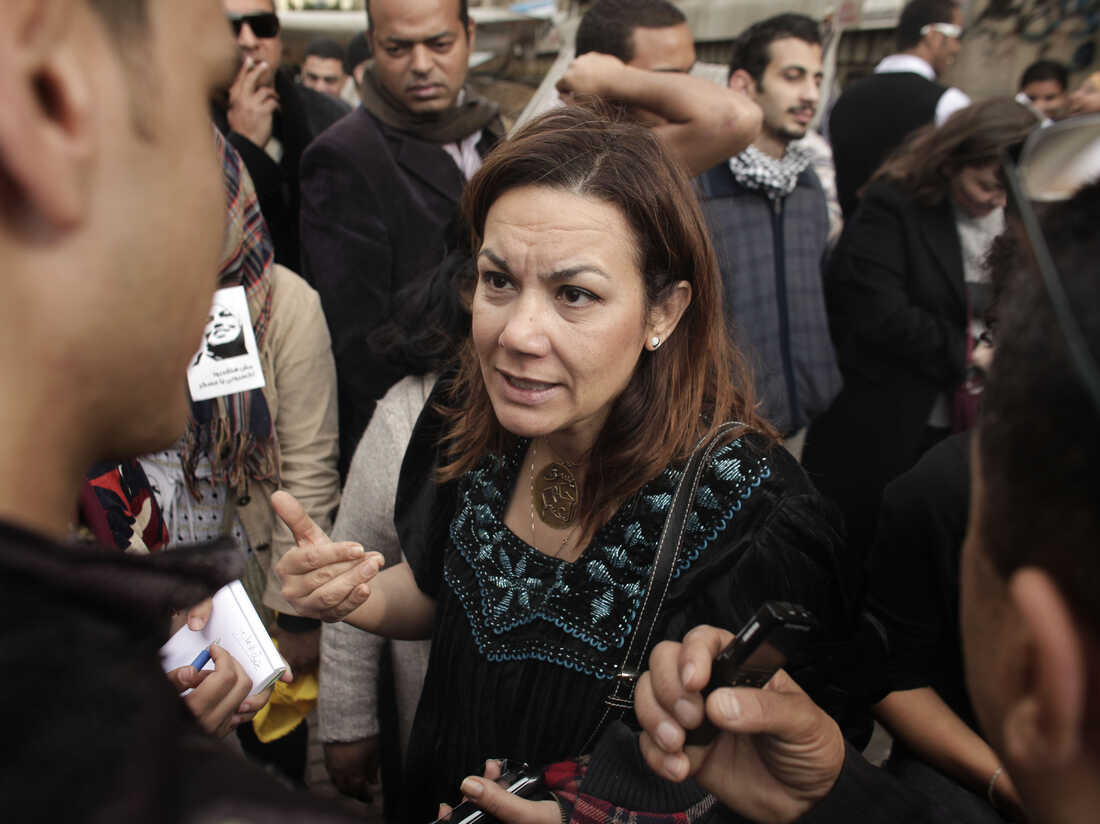
This image, though modern, captures the spirit of the women who struck in 1150 BCE. Their resolve is timeless.
The Legacy We Carry: Why This Story Matters Now
The women of ancient Egypt didn’t just fight for themselves; they fought for us. Their strike was a declaration that women’s labor has value, that women’s voices deserve to be heard, and that women’s resistance is unstoppable. Today, as we face new battles—against reproductive oppression, economic inequality, and systemic violence—we must remember their courage. We must ask ourselves: What would they do? How would they strike? And most importantly, how can we honor their legacy by finishing what they started?
The answer isn’t in waiting for permission. It’s in the streets. It’s in the refusal to comply. It’s in the unapologetic demand for what is rightfully ours. The women of Deir el-Medina didn’t ask for equality. They took it. And so must we.








Leave a Comment