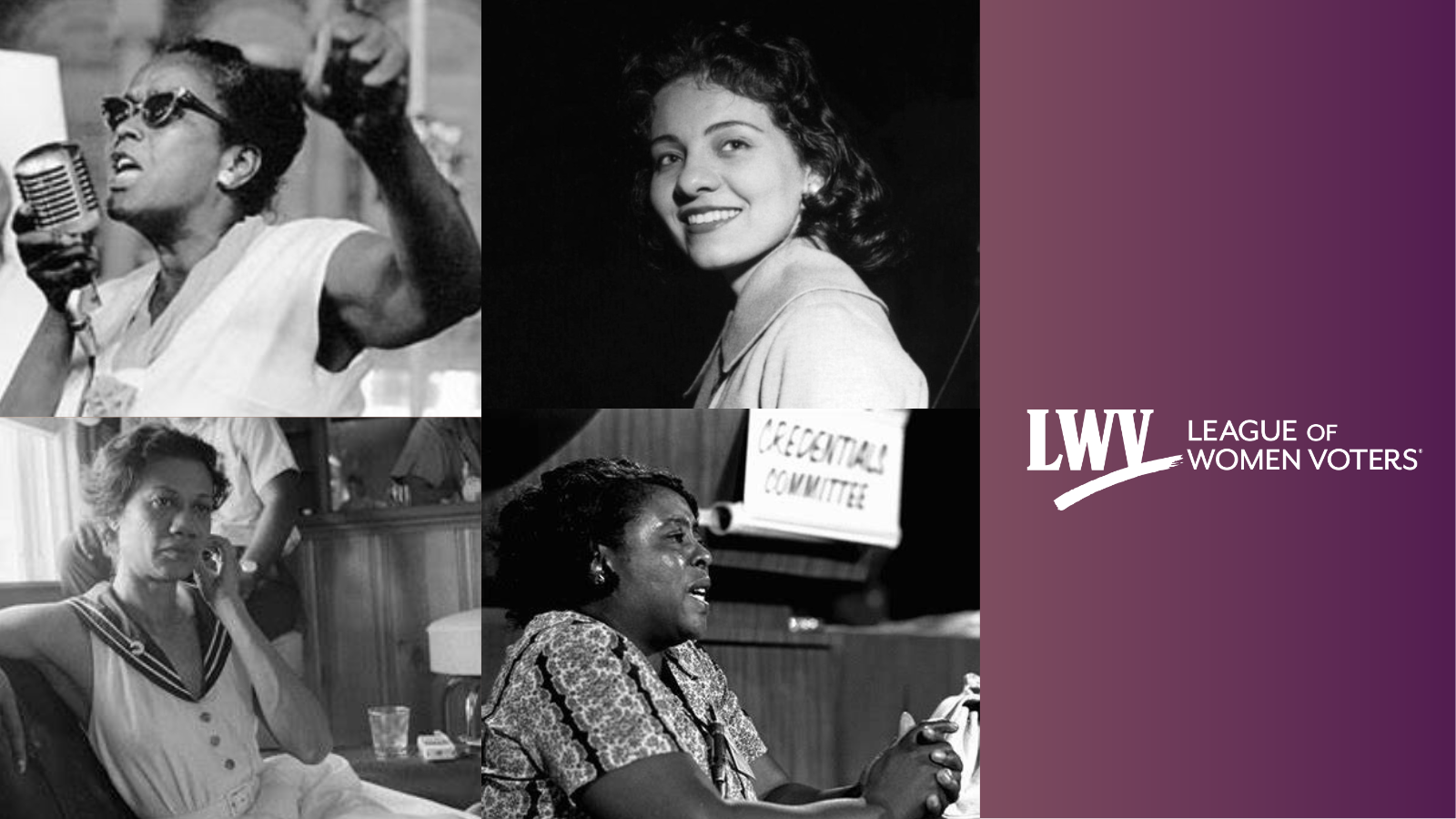
The Civil Rights Movement is often painted in broad strokes—a narrative dominated by the towering figures of Martin Luther King Jr., Malcolm X, and the Black male activists who marched, bled, and died for justice. But what of the women? The seamstresses, the teachers, the mothers, the students—the ones who organized, strategized, and sustained the movement from the shadows of history? Their stories are not just footnotes; they are the very fabric of resistance, woven with threads of resilience, defiance, and unyielding courage. This is the untold saga of the women who shaped the fight for equality, often erased by the glare of male-dominated headlines.
The Unsung Architects: Women Who Built the Movement’s Infrastructure
While men led the marches and delivered the speeches, women were the invisible architects of the Civil Rights Movement’s infrastructure. They ran the offices, typed the manifestos, and fed the activists. Ella Baker, the fiery organizer, was the backbone of the Southern Christian Leadership Conference (SCLC) before she was sidelined for her radical vision. She believed in grassroots leadership, not celebrity activism—a philosophy that birthed the Student Nonviolent Coordinating Committee (SNCC), where young Black women like Diane Nash and Fannie Lou Hamer would later rise as formidable leaders.
 The movement’s survival depended on these women’s ability to mobilize communities, fundraise in beauty parlors, and turn kitchens into war rooms. Without them, the buses wouldn’t have run, the voter registration drives wouldn’t have succeeded, and the movement’s momentum would have stalled. Their work was not glamorous, but it was essential—like the roots of a tree, unseen yet vital for the branches to reach the sky.
Radical Mothers: The Quiet Rebellion of Black Women’s Leadership
Black women in the Civil Rights Movement were not just supporters; they were revolutionaries in their own right. Septima Clark, known as the “Mother of the Movement,” developed the Citizenship Schools that taught thousands of Black Southerners to read and register to vote. Her work was a masterclass in quiet subversion—using education as a weapon against systemic oppression. Then there was Jo Ann Robinson, the Alabama State College professor who organized the Montgomery Bus Boycott after Rosa Parks’ arrest, distributing flyers by the thousands in a single night.
 These women understood that liberation was not a spectator sport. They defied the era’s gendered expectations, refusing to be confined to the domestic sphere. Their rebellion was not in the streets alone but in the way they redefined power—through pedagogy, through organization, through sheer will. To call them “mothers” of the movement is both an honor and an understatement; they were generals in a war for dignity.
The Youthful Firebrands: Teenagers Who Lit the Torch
The Civil Rights Movement was not just a middle-aged man’s game. Teenagers—Black girls, in particular—were on the front lines, their youth a shield against the violence that sought to silence them. Claudette Colvin, a 15-year-old in Montgomery, refused to give up her bus seat months before Rosa Parks did. She was arrested, threatened, and ultimately erased from history books. Then there were the Little Rock Nine, where Melba Pattillo Beals and her peers faced mobs and federal troops to desegregate Central High School. Their bravery was not a fluke; it was the result of generations of Black women teaching their daughters that fear was a luxury they could not afford.
 These young women were not passive victims of history; they were its architects. They sang freedom songs in jail cells, endured police brutality, and stared down governors. Their stories remind us that the fight for justice is not reserved for the “serious” or the “experienced”—it belongs to the fearless, regardless of age.
The Media Masters: Women Who Shaped the Narrative
In an era before social media, women controlled the movement’s narrative through alternative channels. Ethel Payne, the “First Lady of the Black Press,” reported on civil rights struggles with a fearlessness that made her a target. Her dispatches from the front lines exposed the brutality of segregation to a national audience. Then there was Alice Allison Dunnigan, the first Black woman to receive White House press credentials, who used her platform to challenge politicians and demand accountability.
 These women understood that the battle for equality was not just fought in the streets but in the court of public opinion. They wielded pens like swords, ensuring that the movement’s truths could not be buried. Without their voices, the world might never have known the full horror—or the full heroism—of the Civil Rights Movement.
The Martyrs: Women Who Paid the Ultimate Price
For every name we remember—Medgar Evers, Emmett Till—there are women whose sacrifices remain unacknowledged. Denise McNair, Addie Mae Collins, Carole Robertson, and Cynthia Wesley were the four little girls killed in the 16th Street Baptist Church bombing in Birmingham. Their deaths were not just tragedies; they were catalysts for change, their names etched into the conscience of a nation. Then there was Fannie Lou Hamer, who survived police beatings, economic retaliation, and death threats to become a voting rights icon. Her famous declaration—”I am sick and tired of being sick and tired”—was not just a slogan; it was a war cry.
 These women were not collateral damage in the fight for justice; they were its most potent symbols. Their deaths forced the nation to confront its hypocrisy. Their lives proved that the cost of freedom is not paid in dollars but in blood, sweat, and unrelenting defiance.
The Legacy: Why Their Stories Matter Today
The erasure of Black women from the Civil Rights Movement is not an accident; it is a deliberate act of historical revisionism. By centering male voices, we distort the truth of how change actually happens. The women of the Civil Rights Movement were not sidekicks or helpers; they were the movement. Their strategies—grassroots organizing, economic boycotts, media manipulation—are the same tools activists use today, from Black Lives Matter to the fight for reproductive justice.
 To ignore their contributions is to render their sacrifices meaningless. To celebrate them is to honor the full spectrum of Black resistance—not as a monolith, but as a mosaic of voices, each playing a critical role. The next time you hear about the Civil Rights Movement, ask yourself: Who else was there? Who else made it possible? The answer is always: the women.




Leave a Comment